
THE APEX TIMES
2026 Fantasy ADP Watch: Malik Nabers, Tucker Kraft among the early camp-careful targets for drafts
As training camps accelerate into the preseason runway, one fantasy lens is tracking how Average Draft Position is shaping expectations for key players, including Malik Nabers and tight end Tucker Kraft.
Fantasy football drafts start earlier every year, and by the time training camps are fully underway, one of the quickest ways to gauge sentiment across the community is still Average Draft Position, or ADP. On August 4, fantasy analyst Matt Okada published an early August ADP watch that frames what current draft positioning can mean as teams begin practicing at full speed and the league’s preseason calendar moves closer.
Okada’s focus is less about predicting immediate outcomes on the field and more about interpreting where fantasy managers are putting players before any late-summer clarity. ADP, in this view, acts as a temperature check for coaching confidence, role projections, and how quickly hype turns into draft demand. The guiding idea is that camp buzz matters, but draft rooms often move first, and that gap can reveal players who are being priced as sure things versus those still being treated like “wait-and-see” bets.
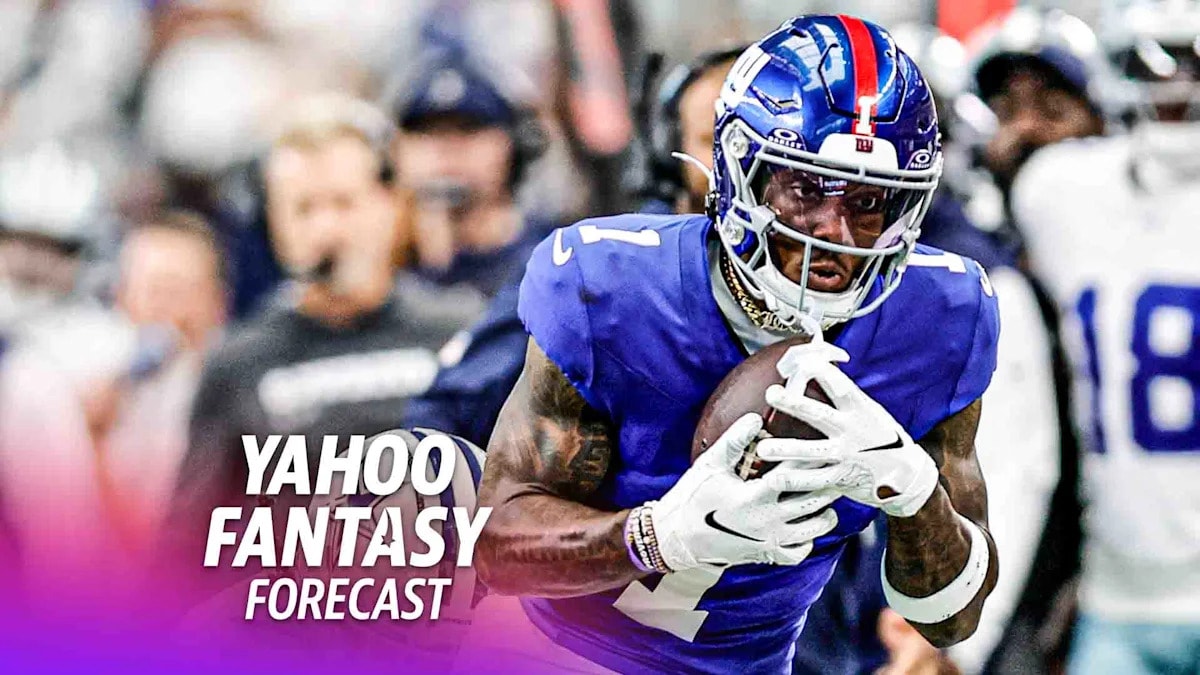
Two names prominently in the conversation are Malik Nabers and Tucker Kraft. For fantasy purposes, their ADP positions stand in for different types of value. Nabers represents the broader appetite managers have for elite wide receiver upside, especially when they expect targets and game-impact touches to remain consistent. Kraft’s inclusion reflects how tight end evaluation can be more fluid, with managers weighing whether a specific receiving role is stable enough to drive weekly fantasy production.
Okada’s broader premise is that the early part of August is when fantasy drafters refine their boards after months of offseason information but before the most definitive indicates arrive. By this point, camps are underway “in earnest,” preseason is approaching, and the season will be here quickly. The timing is important because ADP can shift dramatically once the market absorbs confirmations that are hard to quantify from the offseason alone, such as how offensive snaps are distributed and which players are trusted in situational work.
The analytical value of an ADP watch is also tied to how fantasy players are being grouped by perceived risk. When certain positions or roles cluster around specific draft ranges, it typically suggests that a large share of drafters agree on baseline production expectations. Conversely, when players are pulled in different directions by community narratives, ADP tends to land in the middle, indicating that fantasy managers are still debating who should be counted on weekly and how quickly new roles will translate into points.
There is also a practical drafting takeaway embedded in this type of column: ADP changes are often gradual until they become abrupt. Early August is usually the staging ground for the “current draft slot” conversation, and later in the preseason the market can reprice players if training camp usage aligns with (or contradicts) earlier projections. In that sense, the players being “kept an eye on” are not only targets for fantasy rosters, they are also indicators for how quickly the community is willing to adjust.
With the official NFL regular season still ahead, readers should treat ADP-based guidance as conditional. It can help explain the consensus going into camp, but it is not a substitute for on-field information once preseason snaps and deeper practice details become available. If you are drafting in August, the most useful question is not just where a player is being drafted, but why the market has decided that slot is the right mix of upside and risk.
What to watch next is straightforward: monitor whether training camp developments and preseason playing time push the players discussed in ADP watch articles upward or downward in draft pricing. If ADP is the market’s first pass, preseason is the correction phase, and the biggest swing weeks tend to be the ones that settle roles more clearly than offseason reports can.
Why It Matters
- ADP can influence draft dynamics, because fantasy managers often follow market consensus when building rosters.
- Camp usage expectations tend to get reflected in fantasy pricing before preseason, creating a lag where early ADP can either validate or mislead.
- Tight end valuation, represented here by Tucker Kraft, often changes once managers see how often the position becomes a dependable target.
- If preseason confirms roles, ADP typically moves, and players priced too conservatively or too aggressively can become value swings.
Sources
Key Facts
- On August 4, fantasy analyst Matt Okada published an early August fantasy football ADP watch focused on what Average Draft Position can reveal going into drafts.
- Okada’s piece frames ADP as a way to gauge fantasy sentiment as training camps run and preseason approaches.
- Malik Nabers and Tucker Kraft are highlighted as players Okada is keeping an eye on in early draft pricing.
- The article’s timing emphasizes the shift from offseason information to camp-and-preseason information as the season approaches quickly.