
THE APEX TIMES
2026 NBA Draft Scouting Report: What sets four lead-guard prospects apart
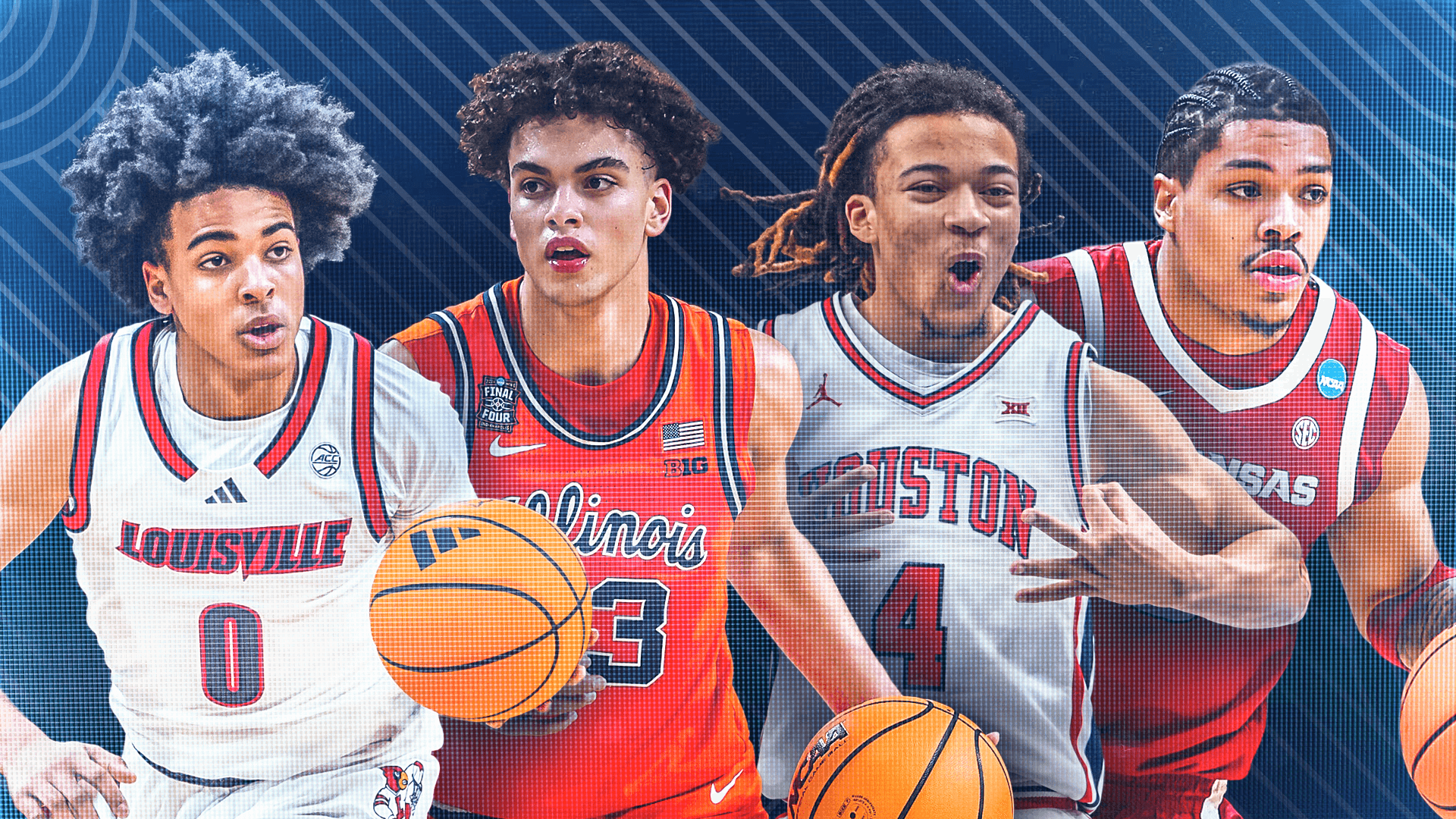
Darius Acuff Jr., Keaton Wagler, Mikel Brown Jr. and Kingston Flemings are viewed as the draft’s premier lead-guard prospects, and the differentiator is not simply talent. It is how each player’s strengths translate into day-one floor management, shot creation and decision-making against NBA coverages.
In a draft class that is often defined by its stars, CBS Sports frames this group of four lead guards as the most compelling options for teams searching for an on-court organizer who can also generate offense. The common thread is upside as primary decision-makers, but the central question for each prospect is the same: which skill set is most likely to separate at the NBA level when defenses adjust, the margin for error shrinks, and possessions become more structured.
Darius Acuff Jr. is presented as a top lead-guard prospect whose profile centers on the kinds of traits teams bet on when they want the ball in their future franchise guard’s hands. In scouting terms, that typically means comfort operating as a primary handler, the ability to probe for advantages, and a readiness to make reads rather than rely on one move. The upside in a player like Acuff is that lead-guard responsibilities can become a positive feedback loop, where creation and control feed each other.
Keaton Wagler is identified by CBS Sports as one of the draft’s four premier lead guards, with a path that hinges on how consistently his game produces advantages for teammates and himself. For prospects in this tier, the scouting “risks” usually cluster around NBA-scale efficiency and shot quality, especially when defenses close out with more size and on-ball pressure is more physical. In practical terms, the evaluation is less about whether a player can show flashes and more about whether the habits that drive those flashes show up in every stretch of the game.
Mikel Brown Jr. enters the discussion as another lead-guard prospect at the top of the class, with CBS Sports emphasizing the mix of potential and uncertainty that comes with players who may have the physical and skill foundation to run an offense. For teams drafting a lead guard, the biggest developmental hinge points often include pacing, defensive communication, and the ability to make consistent reads under contact. A talented prospect can look polished in isolation, but the translation to organized NBA offenses is where teams look for proof.
Kingston Flemings rounds out the quartet in CBS Sports’ scouting lens, positioned among the top lead guards with franchise-level upside. In scouting reports like this, the differentiators frequently come down to whether a guard’s creation can stay effective when the first look is taken away, and whether their decision-making remains stable when they are not protected by scheme. That is the risk side of the evaluation, and it is also why teams are willing to pay for the potential that shows up against strong competition and in varied offensive settings.
CBS Sports’ framing matters because it highlights what teams often say aloud and rarely agree on: “lead guard” is not one thing. It can mean a high-tempo controller who attacks early, a methodical distributor who stresses defenses with spacing, or an attacking creator who finds passes late. The four prospects are grouped together because they each plausibly fit that future role, but the order, value, and development plan will likely depend on which style is closest to what an NBA roster can use immediately.
With no supplemental confirmed details in the publicly available material beyond the general scouting premise, the most responsible takeaway is that these four players are viewed as the class’s defining lead-guard bets, each with a distinct combination of strength and risk. For fans, the immediate watch items are how their skill sets are evaluated in private workouts, team interviews, and draft-process reports, because those stages often clarify exactly what each player’s day-one offense and defense could look like. For teams, the key is alignment: selecting a guard whose growth curve matches the roster’s timeline rather than simply maximizing potential on paper.
Why It Matters
- Drafting a lead guard affects the structure of an entire roster, since ball-handling, shot creation and offensive pacing often flow from the primary organizer.
- The “upside and risk” framing indicates that teams may prioritize different development plans depending on whether a prospect’s strengths are immediate or require refinement.
- Lead guards can determine who becomes a complementary scorer, because defenses treat the offense differently when the primary creator is also the system operator.
- If one prospect’s translation is clearer than the others, it can shape the draft order for the next tier of wings and bigs.
Key Facts
- CBS Sports’ 2026 NBA Draft scouting ranks Darius Acuff Jr., Keaton Wagler, Mikel Brown Jr. and Kingston Flemings among the draft’s four premier lead-guard prospects.
- The article frames the main differentiator among them as the translation of their lead-guard skills to NBA-level offense and decision-making.
- All four prospects are described as having franchise lead-guard potential.
- The scouting emphasis includes both upside and risks, reflecting uncertainty in how each game will perform against NBA defenses.
- The prospects are grouped together specifically as top options for teams seeking a primary ball-handler who can also direct offense.