
THE APEX TIMES
49ers’ George Kittle return timeline could be influenced by Australia opener
A possible early-season return plan for San Francisco tight end George Kittle may collide with the NFL’s international slate, adding another layer of uncertainty to the 49ers’ offensive continuity in 2026.
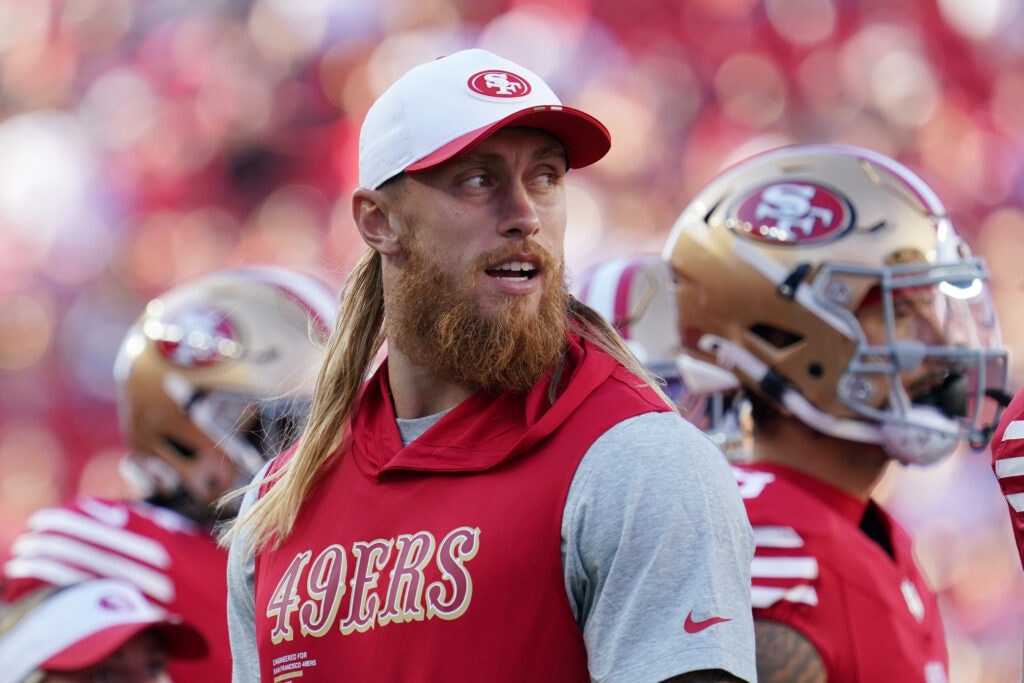
The 49ers’ tight end George Kittle is working back from a torn Achilles tendon suffered during the playoffs last year, and a key question for San Francisco’s 2026 season is how quickly he can be ready for meaningful play. When a return plan initially aimed toward an early regular-season window, it carried an obvious benefit for a team that relies heavily on Kittle’s size, route running, and red-zone presence.
But Pro Football Rumors reported that an upcoming “Australia opener” could affect how and when Kittle is able to return. The practical issue is timing. Achilles injuries require careful progression, and teams often calibrate return dates around practice ramp-ups rather than the calendar alone. An international opener can also compress preparation and shift travel and practice routines, potentially making it harder to hit a specific “first week” target without additional caution.
The report frames the team’s original goal as ambitious but not out of character, suggesting that the 49ers at least believed an early return might be feasible. Yet the Australia matchup introduces a new variable, meaning the organization’s best-laid timeline might need to adapt based on Kittle’s progress at each stage of rehab and conditioning.
For the 49ers, this is not just about one player being on or off the field. Kittle’s role helps organize the passing game. Even when he is not the primary target, his routes and attention from defensive coverages can change how linebackers and secondary players align. If Kittle’s availability is pushed back, San Francisco could need other players to absorb more tight end snaps and more leverage in intermediate areas, particularly in situations where the offense wants reliable middle-of-the-field options.
San Francisco also has to consider how returning a player from an Achilles setback affects long-term planning. Rushing a return can create setbacks that linger into later months. Conversely, keeping Kittle out too long can force the offense to settle into a new rhythm that is difficult to unwind. That balance is the central tension highlighted by the report: a season opener abroad might be the wrong moment to test a timeline that had been built around a more normal start.
The tight end position is also a key component of the 49ers’ run game identity, where tight ends participate in both gap responsibilities and move-the-pocket run concepts. If Kittle is not fully ready, the coaching staff can adjust personnel and blocking assignments, but those changes can carry ripple effects. The offense can look different, even if the playbook remains largely intact, because execution at the tight end spot often influences whole formation choices.
With the Australia opener and Kittle’s rehab progression both in motion, what to watch next is how the 49ers manage his workload during training camp and the early weeks of the regular season. The clearest indicator will be whether the team treats Kittle as a true on-field option immediately after the first games or manages his return in phases, such as limited practice participation or snap-managed appearances. Until there is official confirmation of readiness and timing, the report should be treated as a planning complication rather than a definitive outcome.
Why It Matters
- Kittle’s availability can shape the 49ers’ passing-game structure, especially his influence on coverage and intermediate routes.
- If his return is delayed or phased, San Francisco may need other tight ends to take on larger snap and responsibility roles early in 2026.
- International-opener disruptions can compress preparation and complicate a carefully managed return timeline for an Achilles rehab plan.
Key Facts
- George Kittle tore his Achilles tendon during the playoffs last year, and the recovery is expected to affect part of his 2026 availability.
- The 49ers initially pursued an early-season return goal described as ambitious but reasonable.
- Pro Football Rumors reported that an Australia opener could affect Kittle’s return timing.
- The primary practical concern is whether the international opener’s schedule and preparation demands align with the medical and practice progression required after an Achilles injury.