
THE APEX TIMES
49ers report card: Defensive line steadies the Tide in San Francisco’s shootout vs. Seattle
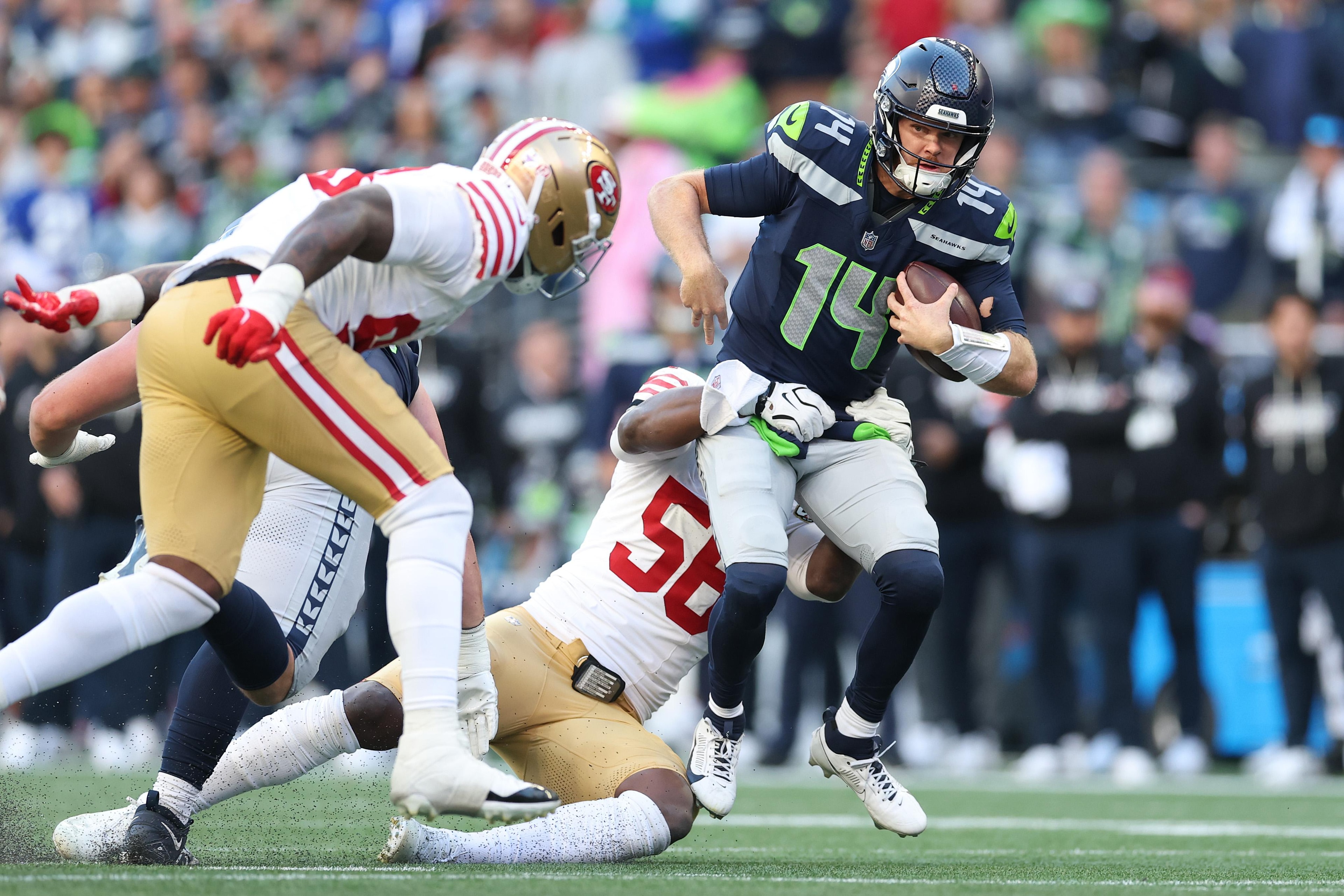
A Week 5 back-and-forth turned into a defensive test, and San Francisco’s front was the difference late as the Seahawks came up scoreless on their final drive.
The San Francisco 49ers opened their Week 5 matchup against the Seattle Seahawks with an early lead, then settled into a long defensive grind that mirrored what both teams were trying to do offensively, create timing, control field position, and wait for one mistake to break the game open. Instead, the teams traded the lead for the next three and a half quarters, keeping the outcome in doubt for most of the night.
The closing picture was stark. After the momentum see-sawed throughout the middle portion of the game, Seattle’s final offensive possession ended without points. With time running out, the Seahawks failed to score on their last drive, handing San Francisco the kind of finish that decides tight, low-margin games in the NFL.
From a performance standpoint, the most notable takeaway was the role of San Francisco’s defensive line. Yahoo Sports framed the effort as the group “saving their best game in years,” with the implication that the front had its sharpest combination of pressure, run disruption, and sustained gap control when it mattered. Against a team capable of producing sustained drives, that kind of defensive consistency is often what turns a one-score contest into a final-play stop.
The rest of the defense had to match that edge-setter. In a game where the lead changed multiple times, the secondary and linebacking units were forced to stay disciplined enough to avoid giving up quick, demoralizing explosives. Meanwhile, the pass rush needed more than a few bursts. It had to keep the Seahawks from reaching comfortable down-and-distance situations, limiting both chunk plays and productive check-down rhythms.
That context matters because this was described as the best defensive shootout of the season, which is a reminder that the “shootout” label did not come from clean offensive efficiency. Instead, the game’s entertainment value came from the fact that neither side could fully separate, and defensive plays kept forcing resets even as scores kept arriving. In those environments, the team that can win the final series, or prevent the final swing, usually earns the win regardless of how the middle quarters look.
For the 49ers, the report card theme is simple: defensive line impact. Even when a defense does not hold a team scoreless, stopping the opponent from converting the final drive can validate the work across the front, the edge, and the interior lanes that allow the rest of the unit to play their assignments with less chaos.
What to watch next is whether San Francisco can turn a singular front-seven performance into an ongoing identity. The NFL rarely rewards one-night spikes, especially when opponents adjust after film review. If the defensive line can continue to generate pressure and keep Seattle-type offenses from getting into their preferred rhythm, the 49ers’ ability to close late will likely become less of a question and more of a pattern.
Why It Matters
- Late-game defensive execution often separates teams in close contests, and San Francisco’s final-drive stop mattered in this one.
- A standout defensive line performance can shift how an opponent game-plans the pass rush and run defense for upcoming matchups.
- Games framed as “defensive shootouts” tend to reflect coaching adjustments and discipline, not just explosive offensive output.
- If the 49ers can build on this kind of front-line effectiveness, they improve their margin for error in future high-leverage series.
Sources
Key Facts
- The San Francisco 49ers led early against the Seattle Seahawks in Week 5, then the teams traded the lead for the next three and a half quarters.
- The Seahawks failed to score on their final drive, a finish that helped decide the outcome late.
- Yahoo Sports highlighted the 49ers defensive line as a central factor, calling it their best game in years.
- The matchup was characterized as a defensive shootout with lead changes but a late defensive stop.
- The late-game swing reinforced the idea that sustained defensive pressure mattered more than any single offensive burst.