
THE APEX TIMES
Aaron Civale’s first start back tests the Athletics’ rotation depth
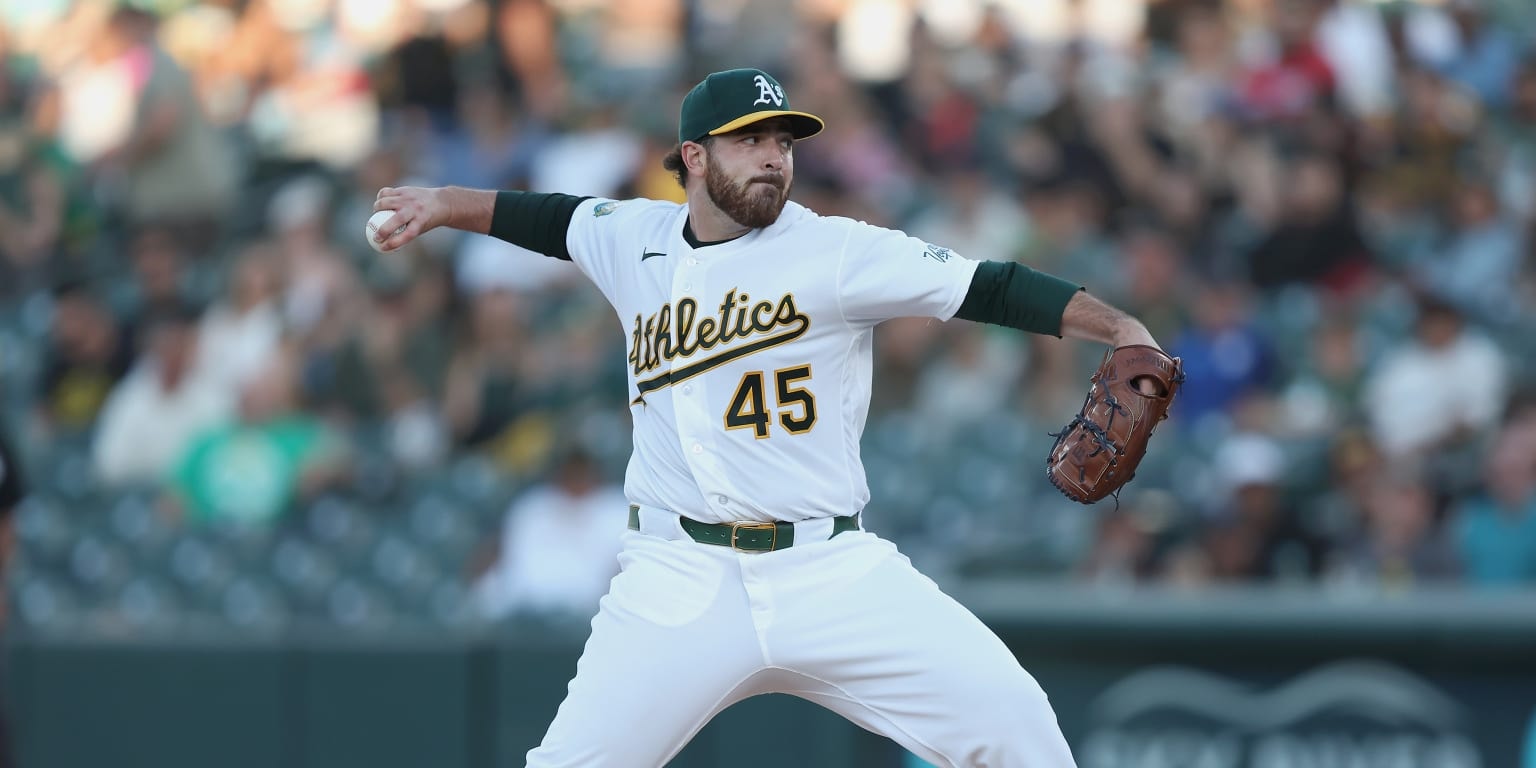
Returned from the injured list with a recent rehab start at Triple-A Las Vegas that went well, Civale’s initial MLB outing did not give Oakland the boost the club expected as it tries to stabilize its starting staff.
Aaron Civale came off the injured list expecting to help steady the Oakland Athletics’ rotation, but his first MLB start back did not deliver the immediate lift the organization had been seeking. In a team context, the right-hander’s return carried more weight than a routine activation, because Oakland had leaned on Civale as a consistent starter prior to his IL stint last month.
Manager Mark Kotsay framed the week of preparation around the most recent step in the process. The Athletic manager pointed to Civale’s last start with Triple-A Las Vegas, saying it “went really well,” suggesting the workload and execution were trending in the right direction. That rehab performance helped set expectations internally, and it is the kind of bridge MLB clubs want when a pitcher is returning after missing time.
Despite that positive checkpoint, the start itself showed how quickly outcomes can diverge once a pitcher is back against major league hitters. The MLB report on Civale’s return described trouble during the outing, underscoring that getting back on the mound is only the first part of a recovery, particularly for a starter who needs command and repeatable mechanics through multiple trips through the lineup.
For the Athletics, the challenge is not only the immediate result of one game, but what the organization can count on over the following weeks. Starting pitching becomes more difficult to manage when a team is still deciding who can handle the workload of a full MLB stretch, and Oakland’s rotation depth is a practical concern as it works to keep games within reach. Civale’s reappearance was intended to add certainty, yet the first start back suggests the staff will still need time to find its most reliable configurations.
The Athletics’ path forward, as indicated by the return storyline, is likely to emphasize process over timetable. Civale’s rehab start at Triple-A gives a reference point for what the organization wanted to see, and the next step is whether the MLB outing becomes a correction point rather than a sign that the timing is off. For Oakland, that matters because a rotation that can’t get stable early innings usually forces the bullpen to work longer, which can affect late-game options.
What to watch next is simple: whether Civale’s command and effectiveness improve as he stacks more innings, and whether the team responds with adjustments to how long he is stretched or how his pitch usage is managed. In the short term, his follow-up outing will be the clearest indicator of whether this first start back was a rough opening or the start of a more gradual return to the form the Athletics were hoping to regain.
Why It Matters
- A starter’s effectiveness immediately after an IL return can shape how the rest of the staff gets managed, including bullpen usage.
- For Oakland, Civale’s trajectory affects rotation stability and the team’s ability to plan inning-by-inning rather than game-to-game.
- The Athletics’ recent dependence on reliable innings makes Civale’s next start a key indicator for whether the organization gets back to earlier season form.
Key Facts
- Aaron Civale returned to the Oakland Athletics after being placed on the injured list last month.
- Manager Mark Kotsay highlighted Civale’s last start with Triple-A Las Vegas as a positive step in his return process.
- Civale’s first MLB start back did not provide the immediate pitching boost Oakland expected.
- The report characterizes Civale as one of Oakland’s more consistent starters prior to the IL stint.
- The situation puts added pressure on Oakland’s ability to stabilize its rotation depth after a return from injury.