
THE APEX TIMES
Aaron Glenn highlights special teams focus as Jets wrap up OTAs ahead of mandatory minicamp
New York used its final OTA session of the week to put an emphasis on kickoff, punt, and red-zone-style situational execution, with head coach Aaron Glenn framing the work as a key learning step for younger players.
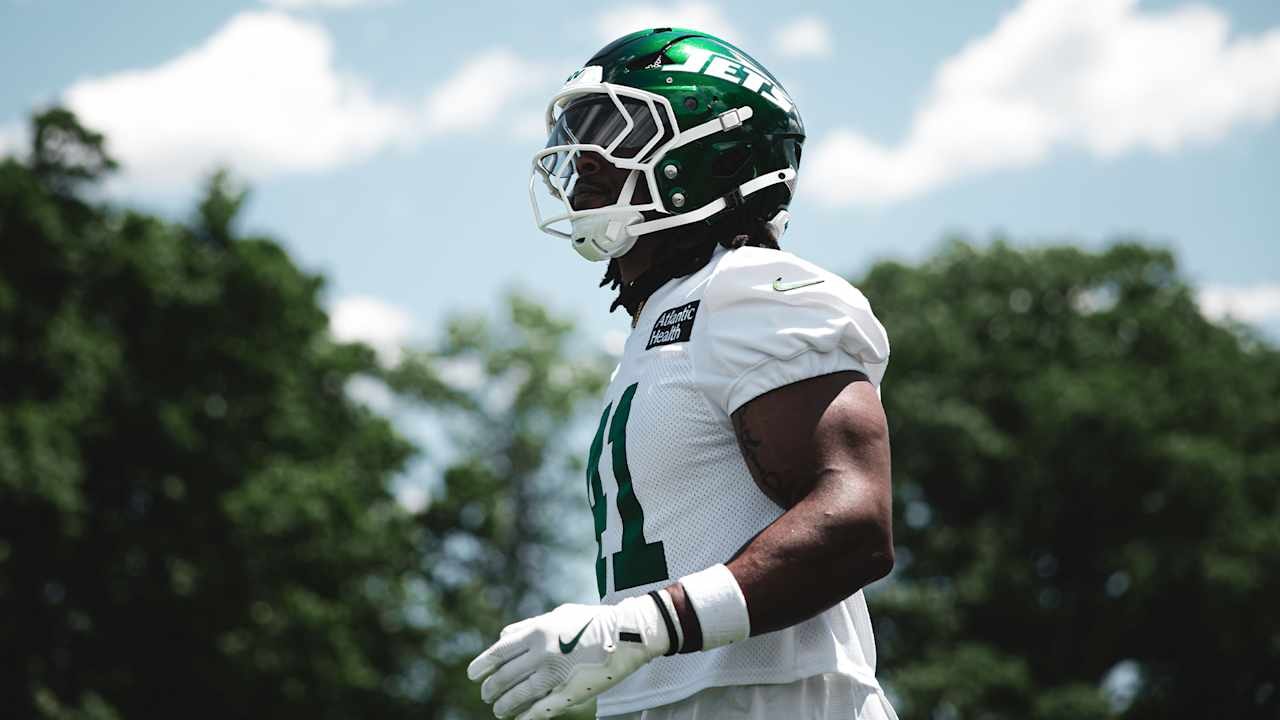
The New York Jets closed out this week’s organized team activities session schedule with a clear theme shift, moving from Tuesday’s focus on red zone execution to Wednesday’s spotlight on special teams fundamentals. The Jets’ OTAs run in the narrow window between voluntary spring work and next week’s mandatory minicamp, giving the staff a structured period to evaluate how players respond to coaching points and game-problem scenarios.
Head coach Aaron Glenn’s message tied the practice plan to player development. According to the Jets’ practice report, Glenn was specifically looking for rookies to understand what their roles can become once the regular-season demands arrive. He described practice as the place where younger players “understand what their role could be,” an emphasis that aligns with special teams being one of the earliest channels for new players to contribute.
The day-to-day structure of OTAs matters because the team can concentrate on process, not just outcomes. Red zone work on Tuesday set up a test of communication and execution in tight quarters. Wednesday’s special teams focus then shifted attention to timing and assignment discipline, where small errors can create outsized swings in field position and scoring chances.
Special teams is also where roster decisions often reveal themselves in early evaluation cycles. Coverage lanes, return responsibilities, and kick and punt timing require players to learn not only what to do, but when to do it, and how to adjust to alignment and scheme variations. For a team trying to build depth across multiple units, the OTA format offers repeated reps without the full-contact intensity of games.
Glenn’s framing of the special teams session also indicates what the coaching staff values about integration. In the spring, younger players typically need reps to translate meetings and film study into consistent on-field behavior. By placing special teams work in front of the minicamp period, the Jets can better identify which areas require additional reinforcement when practices become mandatory.
The Jets’ report also indicates that the staff’s weekly priorities follow the same method: isolate a theme in a given session, coach it aggressively, then move on. The staff’s approach suggests that they consider special teams to be more than a separate unit, treating it as part of overall team identity and execution standards.
What to watch next is whether the coaching focus shown in OTA practices carries over into mandatory minicamp. With the Jets entering a more consequential phase of spring work, the next few sessions should provide clearer evidence of which players have grasped their responsibilities and can carry them through higher-pressure, more scrutinized environments.
Why It Matters
- Special teams work during OTAs can accelerate how quickly rookies learn assignments and timing, which matters for end-of-game and field-position impact.
- A red-zone-to-special-teams sequence reflects a coaching strategy focused on situational execution rather than one-size-fits-all drills.
- How players handle special teams responsibilities early can influence how the Jets build roster depth entering minicamp.
- With mandatory minicamp approaching, the Jets’ spring priorities will shape which units enter the next phase with clearer roles and better cohesion.
Key Facts
- The Jets are wrapping up OTAs this week before next week’s mandatory minicamp.
- Tuesday’s practice emphasis included red zone situations.
- Wednesday’s practice emphasized special teams.
- Head coach Aaron Glenn said OTAs are a place where rookies understand what their role could be.
- Glenn characterized special teams as a practice he is always excited for.
- The Jets’ practice plan used distinct session themes to build situational understanding.