
THE APEX TIMES
Aaron Glenn leans into the “why” of the defense as Jets’ playcalling rhythm returns
As defensive playcalling becomes part of Aaron Glenn’s on-field responsibilities again, the Jets are framing the work less as a set of calls and more as an explanation of intent. Harrison Phillips says Glenn’s meetings have been especially engaging, with Glenn and the unit pointing to clarity, anticipation, and execution.
The New York Jets are treating Aaron Glenn’s return to playcalling duties as more than a change in who radios the next sequence. In conversations with players, Glenn has emphasized the “why” behind the defensive playbook, aiming to connect calls to matchups and decision-making rather than simply delivering a script. The approach shows up in the day-to-day rhythm of defensive meetings and on-field communication.
The Jets’ own account of Glenn’s impact centers on his message to the group. Harrison Phillips, a defensive tackle on the Jets, described the experience of working through those explanations as something players look forward to. Phillips said it has been “some of the most fun meetings I’ve been apart of,” a comment that underscores how Glenn’s style is landing with the people expected to execute the plan.
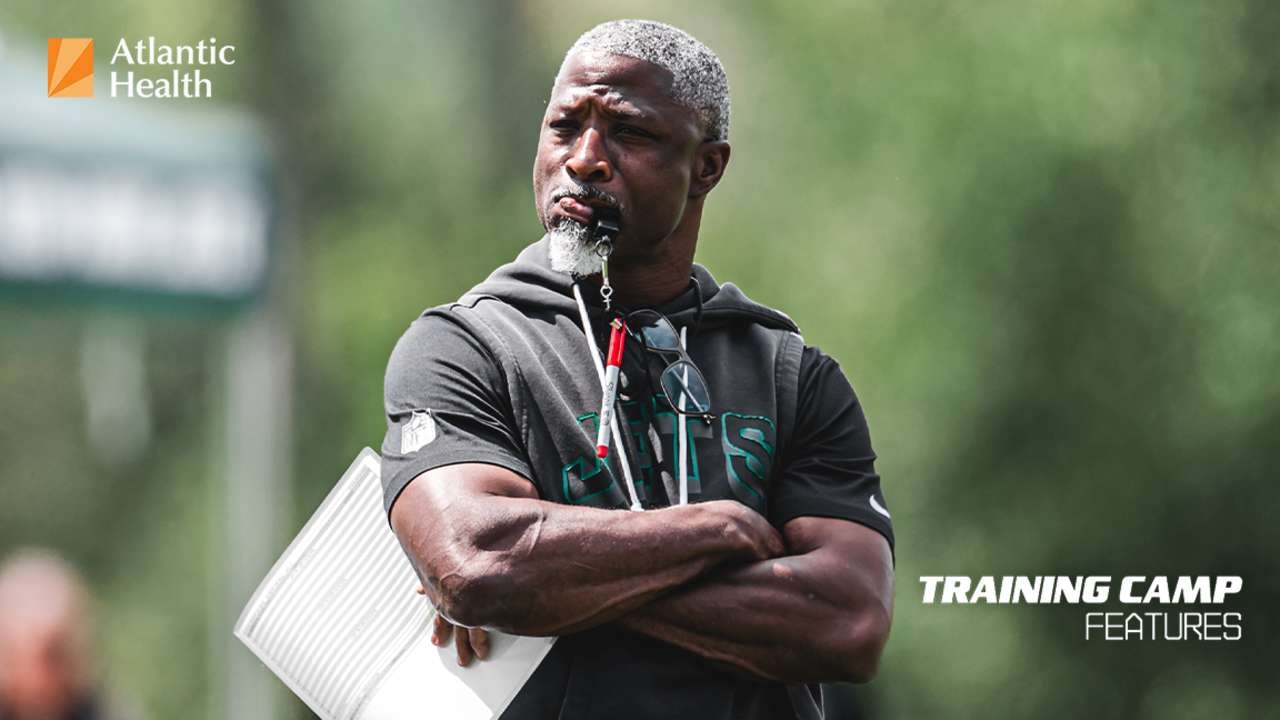
On game days and during live periods, the coordination is direct. Glenn is shown on the field relaying the next play to linebacker Demario Davis, reflecting the collaborative chain of command that anchors modern defensive operation. The detail matters because Davis, as a veteran leader, typically plays a central role in defensive communication and adjustments, and Glenn’s playcalling is presented as tightly linked to that relationship.
What Glenn is focusing on, according to the Jets’ description of the process, is not only the plays but the reasoning behind them. In defensive meeting rooms, the Jets are describing discussions that go beyond surface-level implementation. The intent is that players understand what the defense is trying to do, why a particular call fits the moment, and how the unit should respond when the offense forces a different look.
That emphasis on explanation becomes especially important for a defensive coordinator’s playcalling identity. When a coordinator takes on the call sheet in a more hands-on way, players must quickly translate information into pre-snap leverage, responsibilities in coverage, and adjustments once the ball is in motion. By sharpening the “why,” Glenn is attempting to reduce hesitation and align the unit’s instincts, so the defense can move as one system even when situations evolve.
For the Jets, the immediate takeaway is cultural as much as schematic. The team is describing an environment where players anticipate the next call because they understand the logic that produces it, not just the sound of the radio. If Glenn’s messaging continues to resonate, it could translate into faster recognition and cleaner execution across defensive series, particularly when the game tightens and offenses attempt to manipulate tendencies.
Looking ahead, the Jets’ preseason and early-season defensive tests will show whether the emphasis on intent carries through to the moments that matter most. The next step is simple: can the unit sustain the same clarity under pressure, with Davis and the broader defense converting Glenn’s explained concepts into consistent, repeatable play?
Why It Matters
- When a coordinator is the active playcaller again, the unit’s ability to anticipate and execute can be affected by how well the players understand the intent behind each call.
- Clear communication between Glenn and a defensive leader like Demario Davis can help a defense adjust faster when offenses change formations or timing.
- If the Jets’ explanation-first approach is effective, it can improve in-game decision-making, especially on third downs and in late-game game-planning situations.
Key Facts
- The Jets are describing Aaron Glenn’s return to playcalling duties as tied to explaining the reasoning behind the defense.
- Defensive tackle Harrison Phillips said the meetings have been “some of the most fun meetings I’ve been apart of.”
- Glenn is depicted communicating on the field with linebacker Demario Davis as part of the play-calling process.
- The Jets frame defensive meetings as opportunities for Glenn to detail the “why” behind the playbook, not just the what.