
THE APEX TIMES
New York wraps up OTAs and minicamp with a message about commitment during the league’s annual stretch known as the “dark period,” transitioning toward training camp preparation.
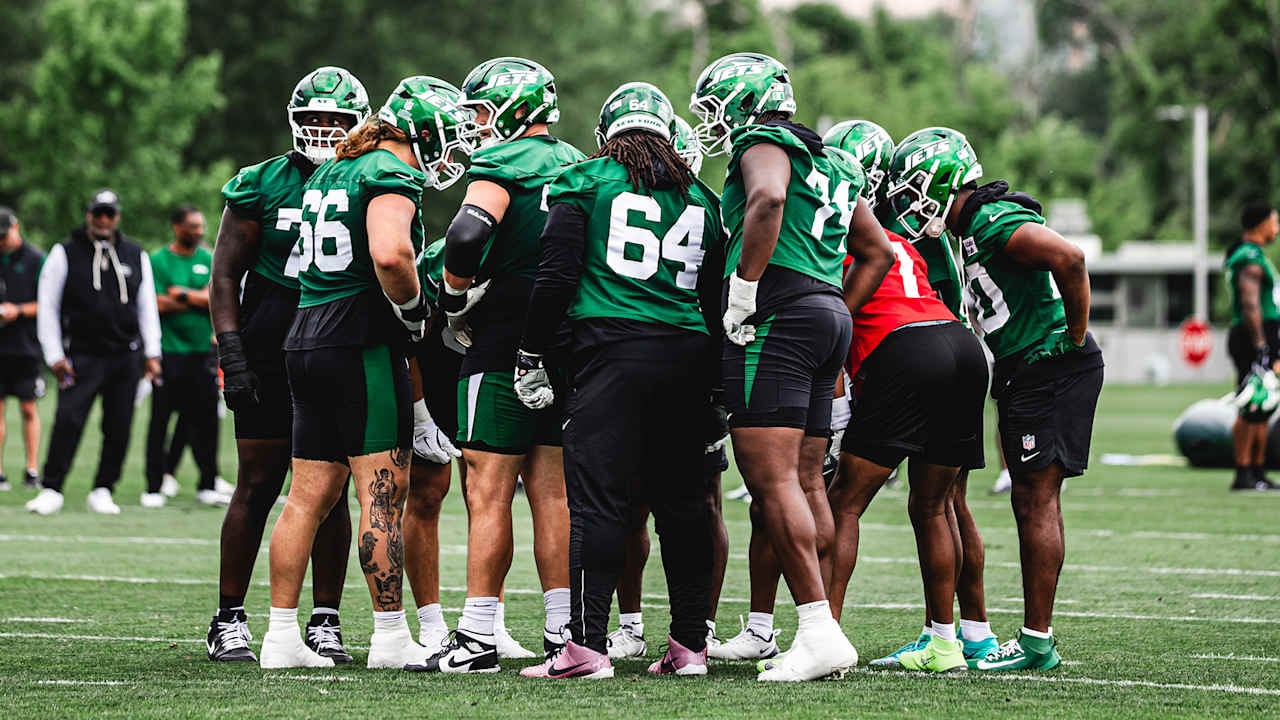
The New York Jets entered their annual off-field slowdown after mandatory minicamp with a clear theme from head coach Aaron Glenn, insisting that what players produce in the building has to translate into more than effort on a practice field. In remarks at the Jets’ minicamp wrap-up news conference, Glenn framed the next phase of the offseason as a time when standards are tested, not relaxed, as the team moves into the league’s dark period before training camp begins.
Glenn’s comments centered on the difference between doing something “like” and doing it “love,” a distinction he described as foundational to how teams operate. The head coach used the metaphor to stress that NFL preparation cannot be treated as a series of isolated moments, even when the schedule provides a break from organized team activities. In his view, the offseason’s quiet stretch should still reflect the same seriousness players showed when coaches asked for a high level of responsiveness and execution during practices.
As part of the minicamp conclusion, Glenn said the players had given “everything we’ve asked,” tying the statement to the work completed during the mandatory period and the broader offseason grind. That characterization matters because minicamp is one of the few windows where coaching staffs can confirm players’ habits under a structured regimen, then carry that momentum into the remainder of the preseason timeline.
The Jets’ “dark period” is an NFL-wide concept, and its purpose is to limit club-organized activities after the mandatory window has ended. For teams, that generally shifts emphasis from on-site instruction to individual accountability, film study, conditioning, and readiness work that can keep a roster progressing when the calendar turns quiet. Glenn’s point, as described in the team’s recap, was that the organization’s culture should not disappear with the cessation of practices.
Glenn’s approach also indicates a managerial stance for the franchise as it prepares for the next major roster evaluation phase in training camp. Mandatory minicamp provides a baseline, but camp is where players separate themselves through repetition, clarity in roles, and consistency across days. When the head coach speaks about sustaining engagement after the dark period begins, it highlights that the Jets are trying to bridge the gap between offseason participation and pregame-level performance expectations.
For Jets fans, the immediate questions move to who can demonstrate continuity between the mandatory practices and the start of camp. The roster’s development will largely be assessed through who arrives in shape, who shows growth from the fundamentals emphasized earlier in the spring, and who carries the coaching language into the regular-season mindset.
Looking ahead, the next watch item for New York will be how the team’s training camp preparation reflects Glenn’s emphasis on commitment. While minicamp ends structured team work, the underlying message from the Jets is that the offseason pause is not a reset, it is a test of whether players truly take ownership of the work.
In a season where the fine details often determine how quickly an organization turns preparation into results, Glenn’s “like” versus “love” framing serves as a blunt reminder of what the Jets expect after practices end: sustained buy-in, sharper execution, and an emphasis on discipline that carries beyond the building and into the regular-season cycle.