
THE APEX TIMES
Aaron Nola’s form becomes a stabilizing force for Phillies’ bid for a second-half playoff push
Philadelphia leans on its established ace as the organization navigates a tumultuous first half that included a managerial change and a notable demotion of a top pitching prospect.
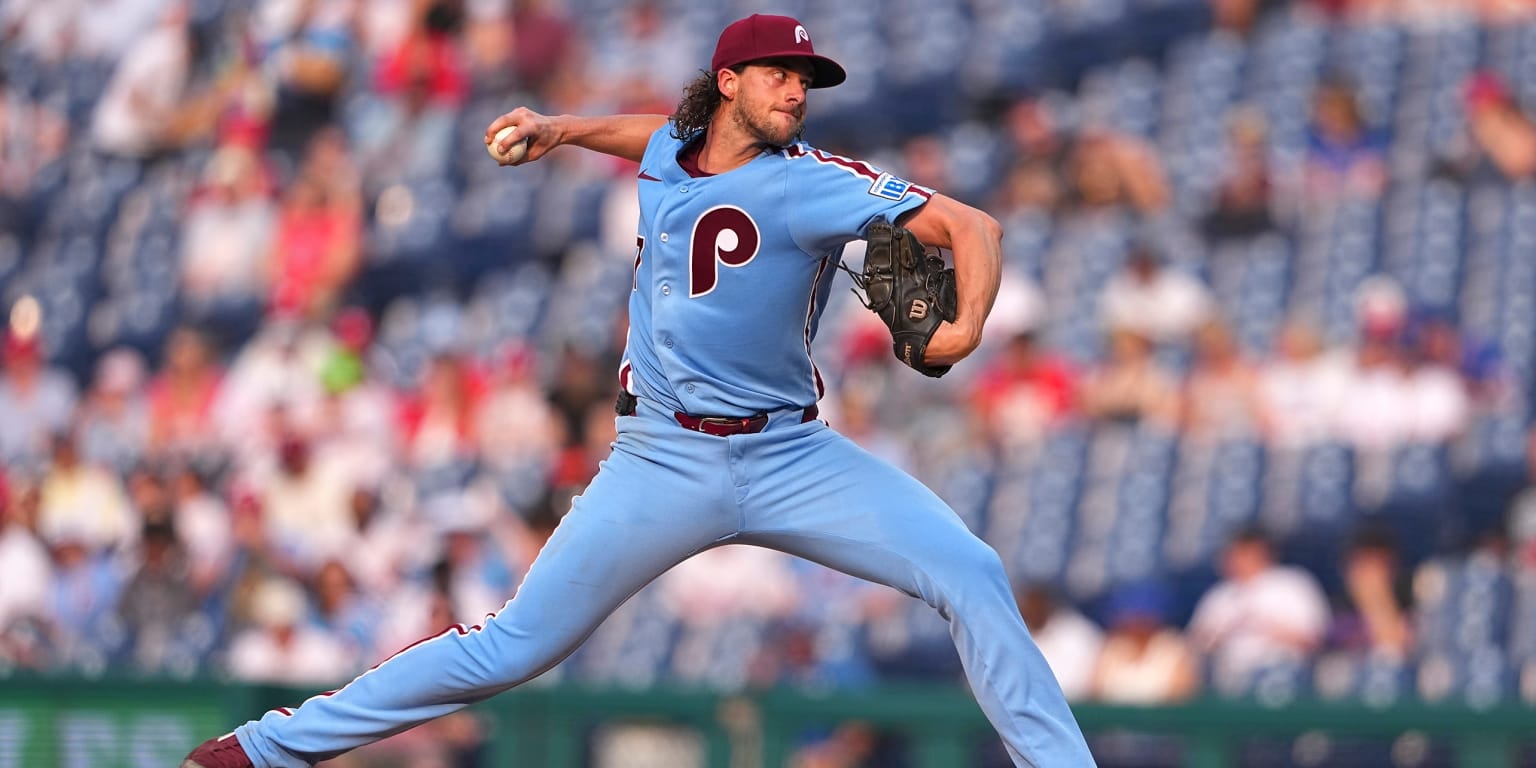
The Phillies are turning to one of their most reliable starting pitchers, Aaron Nola, as they pursue what they have framed as the core objective of the season, a run toward October. In an up-and-down first half that included the dismissal of manager Rob Thomson and the demotion of top prospect Andrew Painter, Philadelphia’s immediate answer to uneven results is to keep the pitching at a higher baseline, with Nola’s performance carrying extra weight in the second half push.
Nola’s value to the rotation is not new, but the timing is. When a team is trying to regroup after organizational turmoil, the most practical reset is on the mound, where games can be controlled even when other parts of the lineup are inconsistent. The Phillies have emphasized continuity in their long-season goal, and in that structure, Nola has been positioned as a key figure to help steady the daily rhythm of a playoff chase.
The Phillies’ season backdrop has been unusually complicated. Alongside the dismissal of Thomson, Philadelphia also made a personnel decision involving Andrew Painter, the kind of move that indicates internal urgency and a desire to recalibrate development plans. Those choices naturally carry questions, both for the clubhouse and for the player pipeline, but they also underscore a simple point: the organization is trying to maximize its odds over the full duration of a long campaign.
What makes Nola’s role especially notable is that a second-half push typically depends on repeatable outings and bullpen management, not just isolated stretches. A front-line starter who can consistently occupy innings buys the rest of the pitching staff the most valuable commodity in baseball, fewer high-leverage pitches over consecutive days. That is the type of benefit a rotation leader can provide when the season’s narrative is already crowded with distractions.
The broader team context matters as well. A postseason bid is not only about talent, it is about staying within striking distance despite fluctuations in form, health, and results against specific opponents. With the Phillies, the narrative through midseason has been defined by change, and their insistence that the ultimate target remains a World Series reflects an approach built around survivability and production from core pieces.
As the second half progresses, the key question for Philadelphia will be whether the pitching stability represented by Nola can translate into the kind of consistent wins that accumulate in the standings. The organization has already shown that it is willing to make difficult decisions when performance or development needs adjustment. The next test is how well those changes, combined with Nola’s ability to keep the rotation functioning at a high level, position the Phillies when the playoff picture tightens late in the season.
For fans and observers, two tracks will be worth watching: first, Nola’s continued ability to set the tone for starters around him, and second, how the Painter demotion fits into the organization’s longer-view development plan. In a season defined by resets, the Phillies’ ability to convert that structure into sustained run prevention could determine how legitimate their postseason hopes remain from month to month.
Why It Matters
- A stable, high-leverage starter can help a team translate second-half opportunities into standings separation during tight postseason races.
- Managerial and developmental upheaval can unsettle a club; consistent pitching helps offset instability when results swing.
- Using an established ace like Nola as a second-half centerpiece is a practical strategy for maintaining performance through late-season variance.
- How the organization handles a top prospect like Andrew Painter has implications for both near-term roster depth and the team’s longer-building approach.
Key Facts
- The Phillies’ season has included the dismissal of manager Rob Thomson and the demotion of top prospect Andrew Painter during an uneven first half.
- In the organization’s outlook, the World Series remains the stated goal despite midseason disruption.
- Aaron Nola is highlighted as a crucial figure in the Phillies’ effort to earn a playoff spot in the second half.
- The Phillies are treating the rest of the season as part of a long-season process rather than a short-term sprint.