
THE APEX TIMES
After Carlos Mendoza move, Mets’ David Stearns sets stage for a deadline window after the All-Star break
With the July Trade Deadline approaching, the Mets’ president of baseball operations says there is little point in focusing on trade talk until the market clarifies. In the meantime, New York’s roster profile points to a familiar kind of July shopping list: high-leverage arms on the move.
The July Trade Deadline is now the Mets’ most immediate roster storyline, but club president of baseball operations David Stearns said he has not been thinking about the deadline much yet. That comment came shortly after the Mets fired manager Carlos Mendoza earlier this month, and it reflected Stearns’ broader stance that teams usually do not fully decide whether they are buyers or sellers until closer to the All-Star break.
In other words, the Mets’ trade planning is shaped by timing rather than panic. Stearns has been consistent, according to MLB reporting, in arguing that it is premature to build major trade discussions well before the league’s pecking order becomes clearer. For Mets fans, that means the weeks ahead could feel more like preparation and evaluation than the kind of loud, immediate retail-shopping that sometimes defines Trade Deadline seasons.
The Mets’ urgency, however, is driven by where they appear to sit in the standings picture. MLB noted that even after a 10-9 victory over the Braves on Sunday, New York still looks like the “quintessential sellers” type entering the All-Star break, which is significant because it narrows the universe of what the organization might consider giving up and what it might prioritize keeping.
If the Mets decide to shop, MLB’s breakdown points first to Freddy Peralta as their most notable potential asset on the mound. The reporting framed Peralta as a possible centerpiece because he can be both an attractive talent for contenders and, potentially, a tricky decision for a team facing a turbulent season. At the time of the report, Peralta’s ERA had been pushed to 4.81 after an outing in Toronto, and MLB said that mark ranked as the sixth-worst among qualified Major League starters.
Peralta’s value, as presented in the coverage, is less about whether he is effective this July and more about how teams might still view his longer-term pitching pedigree relative to what they would cost in return. The report also raised the prospect that the Mets could weigh not only trade-market returns but whether they could instead keep him and use a below-market extension approach if his season continues to lag expectations. That set of competing incentives is exactly the kind of choice that tends to define “best trade chip” discussions.
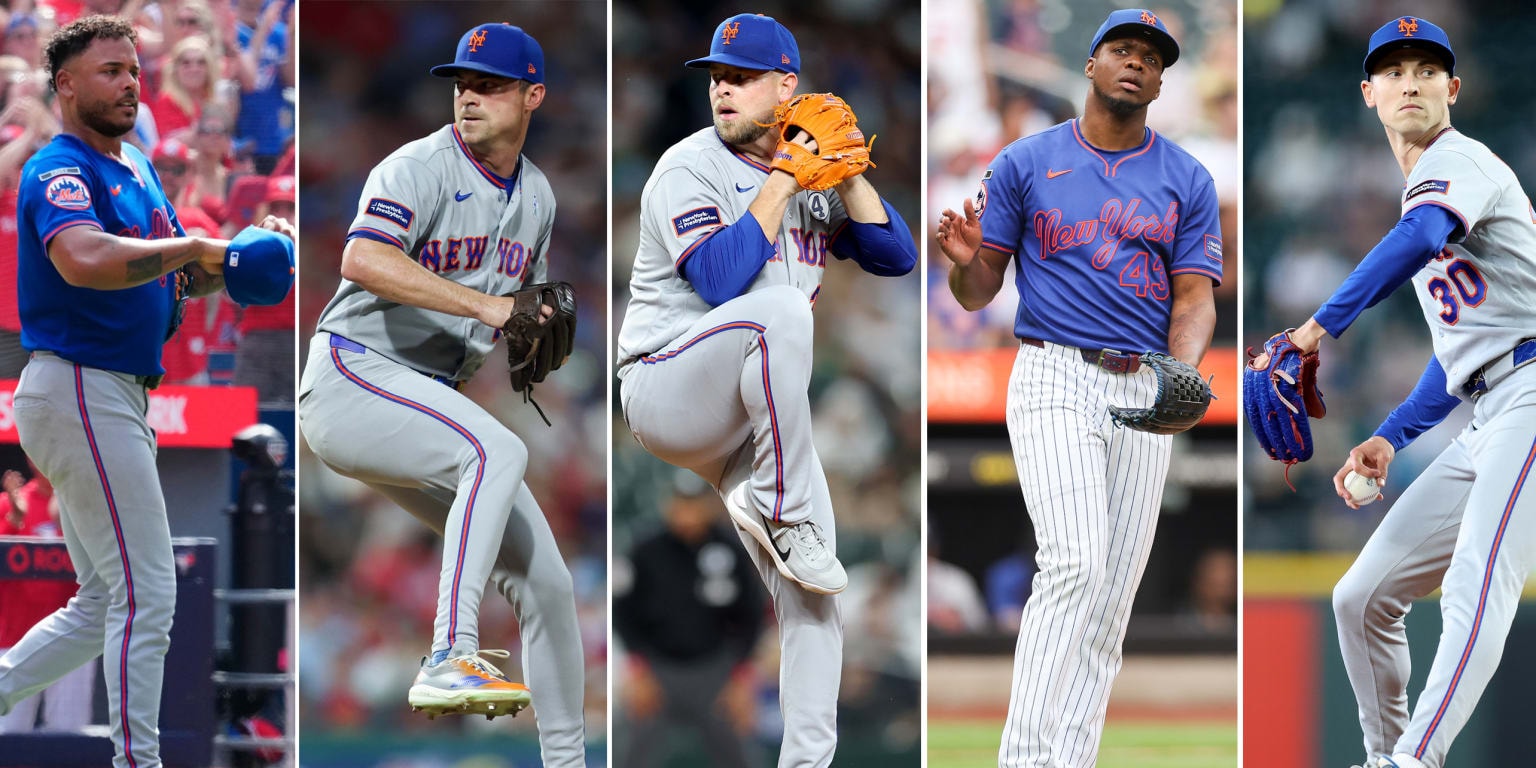
On the bullpen side, MLB described Brooks Raley and A.J. Minter as the Mets’ most classic deadline profiles: left-handed relievers on expiring contracts who are having strong seasons. Raley, per the report, has posted a 2.25 ERA across 32 innings, while Minter’s production has been even more striking, with a 0.60 ERA over 15 innings. In a July market that regularly turns toward bullpen reinforcement, that combination of role, handedness, and on-the-board performance makes them logical candidates for interest from teams preparing for October.
What to watch next is how the Mets translate that market-interest framework into action once the calendar gets closer to the All-Star break. If New York’s positioning continues to resemble a seller’s profile, Peralta and the left-handed relief duo become the most obvious names around which trade talks could form, not necessarily because every target is guaranteed to move, but because they match the deadline season template described in MLB’s own analysis. After that, the next step is simple: monitor whether the Mets’ internal timeline for “trade talk” aligns with their standings reality as mid-July decisions begin to sharpen.
Why It Matters
- How the Mets handle July will shape their roster identity for the second half, especially whether they lean into selling pieces for future value.
- Stearns’ All-Star-break timeline suggests New York’s biggest decisions may come after the league’s buyer-seller clarity improves.
- Peralta and the Mets’ left-handed relief options represent different trade archetypes, one anchored by starting-pitcher market demand and the other by bullpen urgency from contenders.
Key Facts
- David Stearns said he has not been thinking much about the Trade Deadline, a stance that aligns with his view that trade talk is premature until nearer the All-Star break.
- MLB reporting characterized the Mets as likely sellers entering the All-Star break, even after a 10-9 win over the Braves on Sunday.
- Freddy Peralta was described as the Mets’ most notable potential Trade Deadline asset.
- At the time of the report, Peralta’s ERA was 4.81, which MLB said ranked sixth-worst among qualified Major League starters.
- Brooks Raley and A.J. Minter were framed as classic deadline rental profiles: left-handed relievers on expiring contracts with strong season ERAs.
- MLB reported Raley at 2.25 ERA over 32 innings and Minter at 0.60 ERA over 15 innings.