
THE APEX TIMES
After the Deadline, Clay Holmes is thinking Cubs, and the next question is when the duo arrives
The veteran right-hander who was expected to move after a busy Trade Deadline is now preparing for a new setup in Chicago, while the timing of Clay Holmes and Kevin Gausman’s contributions becomes the immediate storyline for the Cubs’ stretch run.
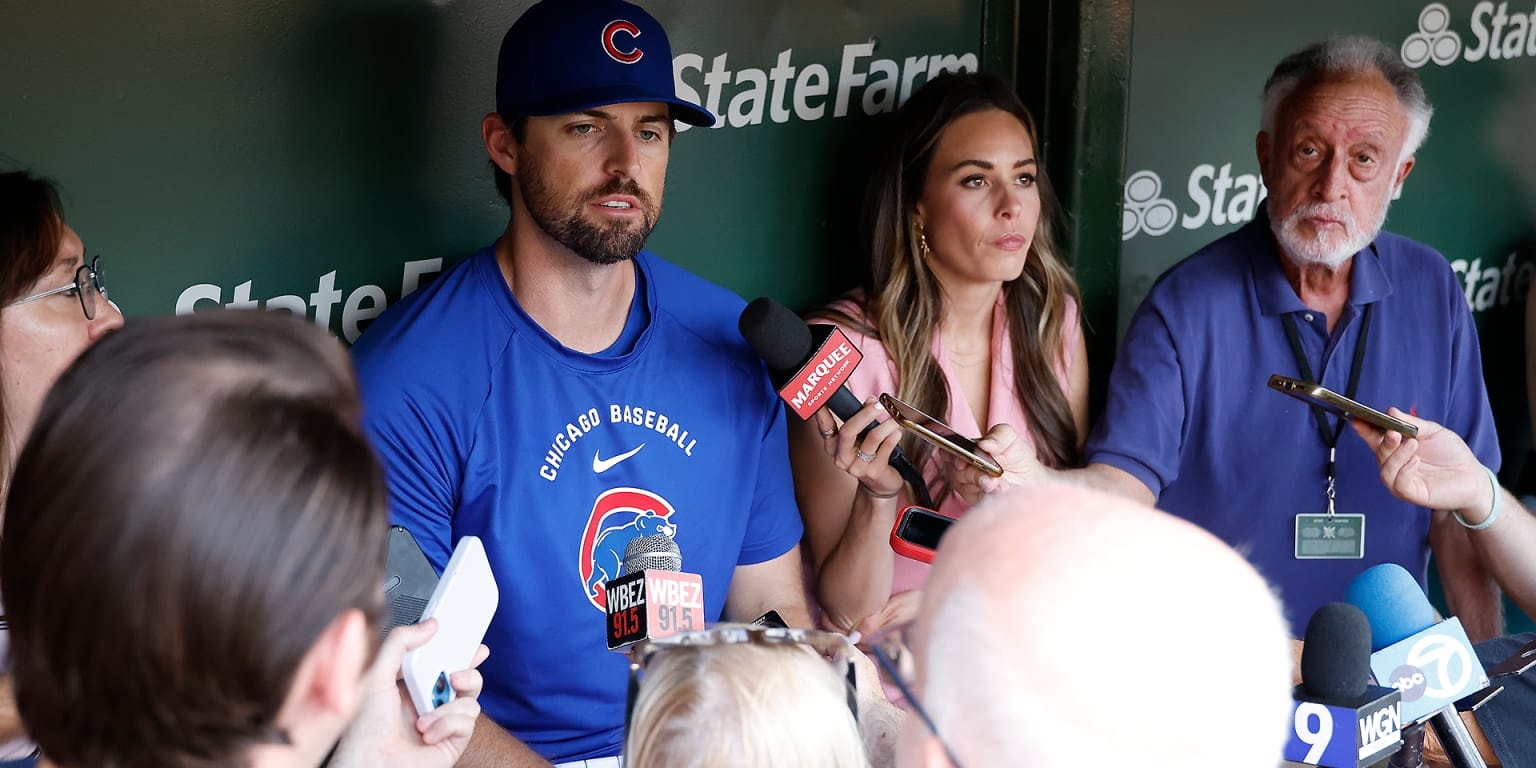
Clay Holmes always believed the Trade Deadline would change his season. In an interview tied to his new chapter, the veteran right-handed reliever said he had a strong sense he would be on the move given how things had developed for the Mets this year, and when the Cubs’ name surfaced, he “started to get excited.” The move flips a familiar bullpen role onto a new team, and it sets up the most practical follow-up question for the Cubs right now: when will Holmes be ready to pitch in meaningful, late-inning leverage situations.
The MLB Trade Deadline is often described as “deadline dust” because roster decisions are made quickly and then the real work begins, getting players accustomed to routines, catchers, bullpen indicating, and travel logistics. For a reliever, timing matters less in the long-term planning sense and more in the immediate tactical one. Holmes is joining a Cubs bullpen that has its own internal pecking order, and the staff has to determine where his appearance patterns, pitch usage, and matchups fit once games become more consequential.
Holmes’ excitement about joining Chicago is also a reminder of how these transactions can carry emotional as well as baseball implications. A pitcher’s day-to-day habits, the comfort level with a new organization, and the ability to translate what he’s doing in the bullpen into the structure of the team’s late-game planning are all part of the adjustment. Even when a team believes it has solved a need on paper, the on-field answer often waits for the first high-leverage inning.
The Cubs’ next timing storyline extends beyond Holmes. The question in the same report is when Holmes and Kevin Gausman will debut, with Gausman mentioned as part of the broader reshaping that followed the Deadline. For Chicago, that matters because mixing a newly acquired starter with an established pitching staff can change how managers manage workloads in the weeks that follow, particularly with an eye toward avoiding late-season fatigue while keeping the best arms available when the schedule tightens.
Because this report is focused on Holmes’ perspective and general readiness questions, it does not provide debut specifics in the information available here. The Cubs still need to align the bullpen plan with game situations and confirm the operational timing for any newly acquired starter. Fans should expect that the first appearance will be treated as a marker, not just for Holmes and Gausman individually, but for the Cubs’ broader bullpen-to-rotation sequencing over the final stretch.
What to watch next is straightforward. First, keep an eye on when Holmes’ role becomes consistent, whether that is immediately as a setup piece or more gradually as the Cubs determine the best matchup path. Second, watch for the cadence of Gausman’s integration into the rotation, since a starter’s first turn can reveal how the Cubs are protecting the rest of their staff. Together, those two debuts will indicate whether Chicago is simply “adding talent” or tightening the actual structure that carries a team through late-season decision points.
In the meantime, Holmes’ comments capture the human side of a deadline that often looks mechanical from the outside. For a pitcher, a change of scenery can be a reset, and the Cubs represent a new chance to translate what he already knows how to do into a new clubhouse plan. The suspense is no longer about whether the move happened. It is about when Chicago will be able to use the acquisition fully, and how quickly it will show up in the game’s highest-leverage moments.
Why It Matters
- Holmes’ first usage in high-leverage innings will help determine how quickly the Cubs can translate a deadline acquisition into wins.
- The timing of both Holmes and Gausman affects how Chicago strings together bullpen availability and rotation workload as the season tightens.
- A starter’s debut can shift managerial choices for upcoming starts and protect other arms during late-season intensity.
Key Facts
- Clay Holmes said he sensed he would be on the move at the Trade Deadline, based on how the Mets’ season had gone.
- Holmes said that when he learned the Cubs were involved, he began to get excited.
- The report frames the immediate post-Deadline question as when Clay Holmes and Kevin Gausman will debut with Chicago.
- The story is based on an interview perspective from Holmes as he joins the Cubs after the Trade Deadline.