
THE APEX TIMES
After the MLB trade deadline, contenders keep upgrading, and some veterans land for nothing
With the clock past the deadline, teams shift from trading for needs to managing options. That change is driving a run of low-cost acquisitions through waivers, and it is also leaving a few established players with no market.
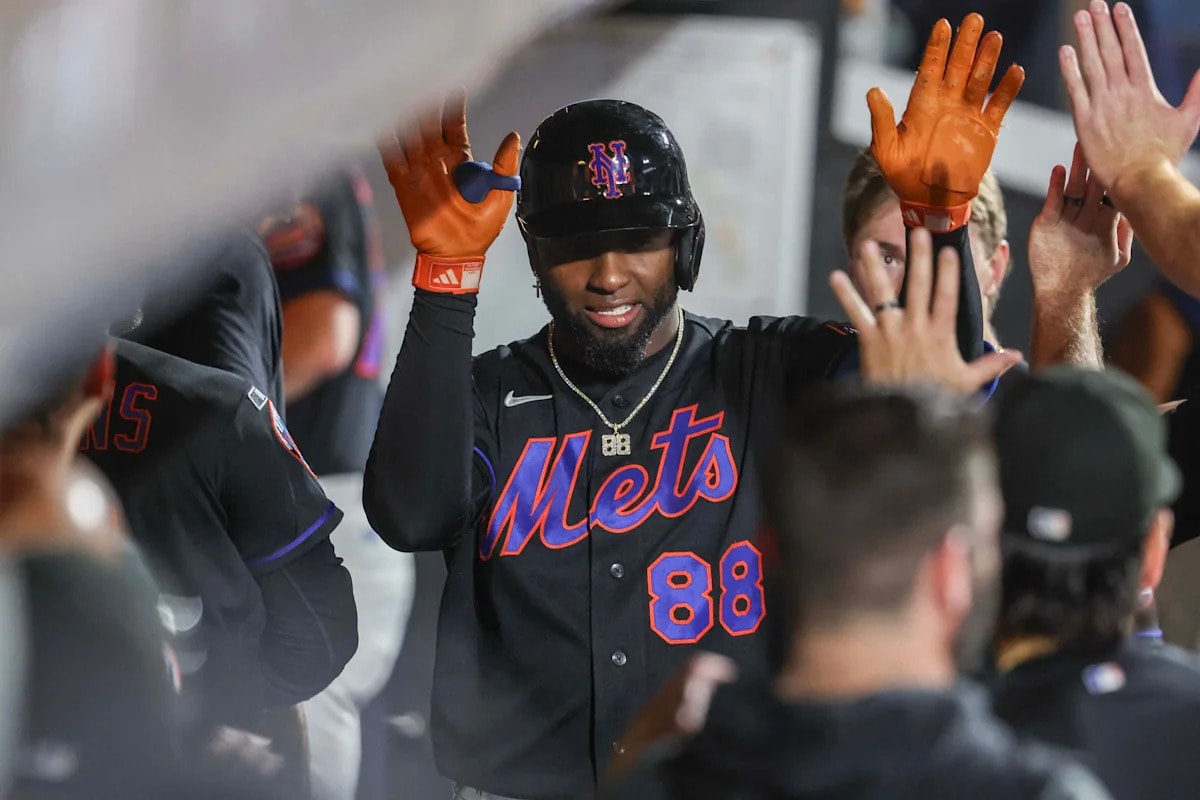
The late-summer turning point in Major League Baseball is not only the trade deadline itself, but the immediate days after it. A Yahoo Sports report described the end-of-deadline phase as a kind of scramble where contenders often pick up players “for nothing,” while other clubs try, and fail, to move pieces before roster and option rules close the door on certain deals. In the article’s framing, the Mets “gave away a former All-Star for nothing,” while the Reds attempted to dispose of two players and “got no takers.”
At a high level, the reason lies in what changes after the deadline. Trades for the rest of the season are still possible through additional rules, but the market for certain types of moves becomes narrower once the calendar flips past the designated cutoff. Teams that want immediate roster help now lean toward mechanisms that do not require the same deadline trade packaging, such as claiming players on waivers or ingesting them through other post-deadline processes.
The waiver wire is the central engine of that post-deadline churn. In basic terms, teams can place players on waivers, giving other clubs a time-limited opportunity to claim them. If a player is claimed, the acquiring club takes on the player’s existing contract obligations. If the player clears waivers, the original club gains flexibility that can include assignment options or other next-step roster decisions, depending on the player’s service time and status.
That structure creates an imbalance that is most visible among contenders. Clubs that are already assembled for October often have less incentive to trade away useful pieces late in the process, but they do have clear gaps they want to cover, such as bullpen innings, bench depth, or a late-season platoon partner. At the same time, rebuilding teams, non-contending clubs, or teams that are overstocked at a position may prefer to avoid holding an undesirable contract through the final stretch, even if it means accepting minimal return. The Yahoo Sports piece uses the Mets and Reds examples to illustrate how a player can end up effectively “untraded,” transferred via waiver claim dynamics rather than a traditional deal.
It is also why the same few days can feel chaotic. Yahoo Sports characterized the last several days before and around the deadline’s conclusion as resembling a fast, transactional marketplace. The optics are understandable, but the procedural reality is more structured: waiver runs, roster constraints, and postseason-eligibility considerations limit how teams can maneuver. For fans, it can look like deals vanish overnight. For front offices, it is more like shifting from one toolbox to another once specific rules close off certain paths.
There is a key caveat to keep in mind when describing these moves as “getting players for nothing.” The acquiring team may pay no trade compensation, but it can still absorb salary and roster constraints. For the selling club, “for nothing” usually means there is no market for a full trade package, not that there is no cost embedded in the decision. And in many cases, the claimed player’s role may be situational, shaped by matchups and late-season usage patterns rather than a guarantee of a long-term starting job.
Looking ahead, the practical question is how these waiver additions integrate. Contenders will be watching whether the new depth actually changes the shape of late-inning leverage, platoon performance, or defensive stability in the gaps that appear after injuries and fatigue. Meanwhile, non-contenders will watch how often players clear waivers, because clearing can report either limited interest or that teams are finding the remaining cost too high for the roster need they are trying to solve.
In short, the post-deadline market does not stop. It changes. When Yahoo Sports describes contenders pulling players “for nothing,” it is describing a predictable shift in MLB’s mechanics, where the biggest prize is not trade capital but the right player at the right time, delivered through waiver claims and roster management rather than headline deals.
Why It Matters
- Post-deadline moves can help shape a contender’s late-season roster, especially bullpen and bench depth that affects day-to-day matchups.
- Rebuilding or non-contending teams may find that certain players have limited market value after the deadline, leading to waiver outcomes instead of traditional trades.
- Because waivers operate on time windows and roster constraints, the pace of transactions can feel abrupt to fans while remaining procedural for teams.
- Understanding the waiver process clarifies why “for nothing” deals still involve roster and salary considerations, even if trade capital is not exchanged.
- The integration of these acquired players can influence playoff readiness, particularly once matchups tighten and leverage roles become more defined.
Key Facts
- A Yahoo Sports report described post-deadline MLB activity as producing players acquired through waiver-type outcomes rather than headline trade packages.
- The report cited an example involving the Mets “giving away a former All-Star for nothing.”
- The report also cited an example involving the Reds attempting to move two players and receiving no takers.
- The primary mechanism behind these outcomes is the waiver wire, where other clubs can claim players within a limited window.
- Waiver claims typically shift existing contract obligations to the acquiring club, even when no trade compensation is exchanged.