
THE APEX TIMES
After UFC 330, the thrill of victory and the agony of defeat play out in public
Winning and losing fighters turned to reaction posts and rapid-fire commentary as UFC 330’s results rippled through the MMA ecosystem, a reminder that the sport’s culture is now as loud as the cage.
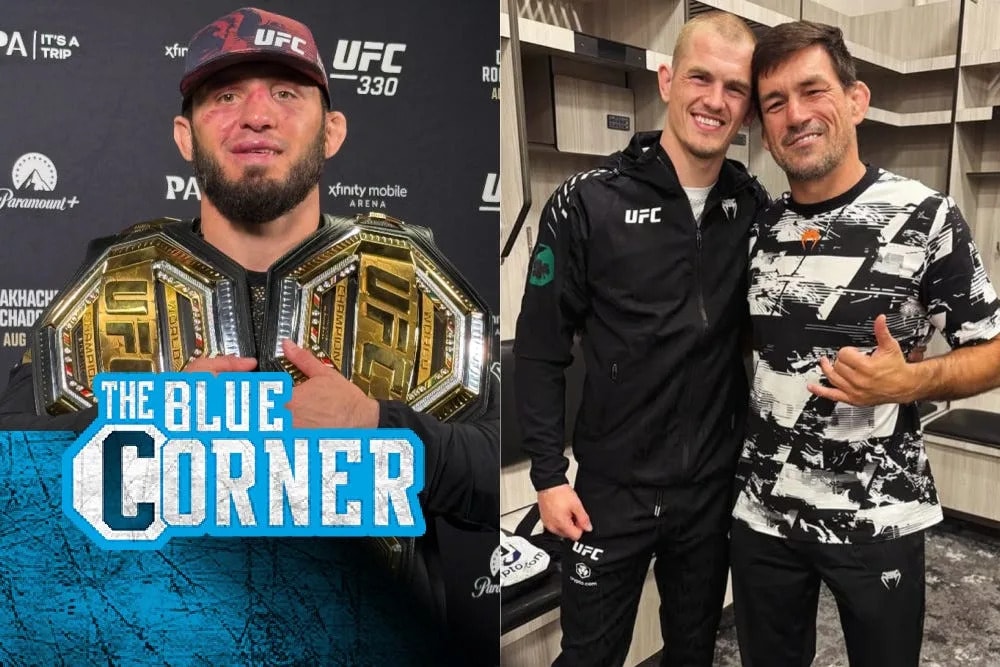
UFC 330’s conclusion delivered two familiar realities for mixed martial arts, the thrill of victory and the agony of defeat, and both were amplified immediately afterward through fighter reactions that spread far beyond the arena. Rather than treating the moment as something that ends when the final horn sounds, many participants used the hours after the event to frame what happened, reflect on their performance, and respond to how the fight looked to others.
The contrast is part of what keeps UFC’s audience engaged. For winners, public validation can turn into momentum, a shift in attention toward what comes next in the title picture or in their ranking trajectory. For losers, the reaction cycle can become more complicated, mixing disappointment with determination while fans and online communities debate what went wrong and what should change next.
That post-event conversation is also shaped by how the sport has evolved. As the reaction coverage notes, MMA’s rise into mainstream visibility was built over time through websites, forums, and, most importantly, social media platforms where fighters and observers could keep the discussion moving between events. In that environment, the days after a pay-per-view or major card rarely feel quiet, because the sport’s narrative is continuously updated in real time.
In the case of UFC 330, the attention on who felt what after the bout underlines another shift in combat sports coverage, the fight is only one component. Public-facing emotion, immediate takeaways, and the way fighters explain themselves can influence how quickly the sport’s community builds consensus about performance and stakes. Even when the official record is straightforward, interpretation often accelerates online.
Still, it is worth separating reaction from confirmation. Fighter statements posted in the immediate aftermath are personal reflections, not official status updates, and the broader meaning of UFC 330 for matchmaking or divisional direction depends on what the promotion ultimately decides. The most accurate “what it means” will come from follow-up announcements and the next steps each fighter takes, not from the earliest posts alone.
For fans and observers, the next thing to watch is how the UFC channels this public energy into the formal storyline. If the reactions from UFC 330 become a prelude to new matchups, contender talk, or public commitments to redemption, it will show how strongly today’s MMA culture runs on both performance and perception. The cage settles the outcome, but the aftermath determines how that outcome gets carried forward.
Why It Matters
- Fighter reactions influence how fans and media interpret UFC 330’s outcomes in the first days after the event.
- The speed and visibility of online commentary reflects MMA’s media ecosystem, where the story continues between events.
- Public framing after UFC 330 can affect short-term hype for future matchups, even before any official promotion decisions are announced.
- The separation between emotional reactions and confirmed next steps highlights how the sport’s “stakes” are negotiated over time.
Key Facts
- UFC 330 produced widely shared winning and losing fighter reactions in the immediate aftermath.
- The reaction coverage emphasizes the contrast between victory and defeat as part of MMA’s public culture.
- The post-event conversation is described as being shaped by MMA’s history of websites, forums, and social-media platforms.
- The coverage frames fighters’ public responses as a meaningful part of the sport’s ongoing narrative after major events.