
THE APEX TIMES
AJ Smith-Shawver makes first rehab start in more than a year after Tommy John surgery
The Braves right-hander, returning to game action for the first time since undergoing Tommy John surgery, logged three innings in his initial Minor League rehab appearance.
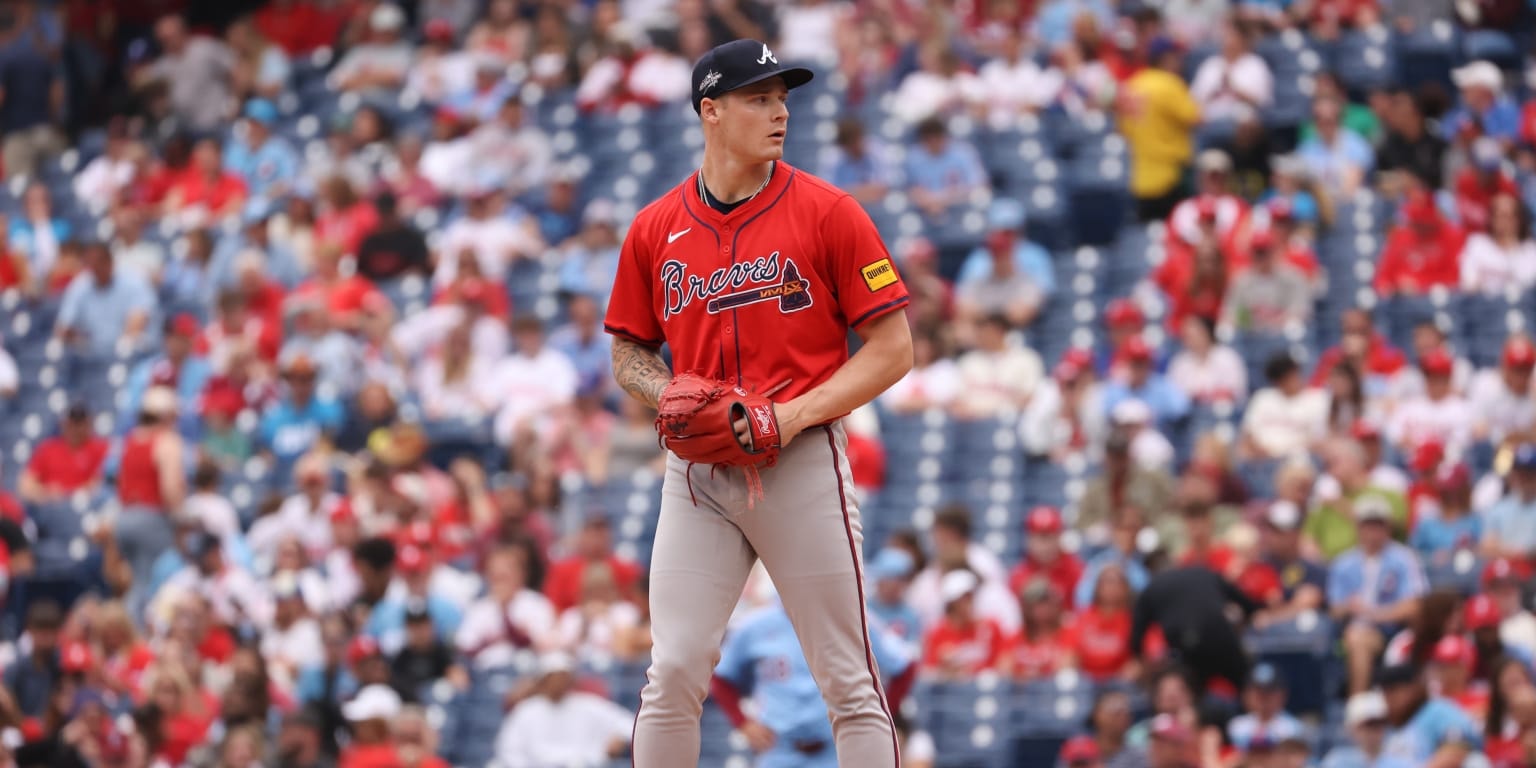
Atlanta Braves right-hander AJ Smith-Shawver took a key step in his recovery cycle Tuesday night, making his first Minor League rehab start in more than a year after Tommy John surgery. The outing was his return to live baseball action with a pitch count and performance that suggested he is beginning to handle game intensity again, a milestone that matters as teams sort out their pitching depth and late-season rotation planning.
According to the Braves, Smith-Shawver’s rehab start came with Single-A Augusta, where he faced Salem, a Red Sox affiliate. He worked three innings and finished with a stat line of one run allowed on three hits. He struck out four batters and did not issue a walk, a combination that pointed to both command and swing-and-miss ability early in the process of getting back up to starter workload.
Smith-Shawver’s pitch volume also fell into the typical “first look” range for a returning arm. He threw 41 pitches over three innings, with 29 of those pitches recorded as strikes. For a pitcher in the early stages of rehabilitation, that strike percentage is a concrete measure of whether the body is allowing him to repeat his delivery and trust his mechanics, rather than simply getting outs through volume or opponent mistakes.
The Braves’ report positioned this appearance as his first on the mound for the rehab assignment period. That distinction matters because rehab sequences are designed to be progressive. The first outing tends to emphasize safe innings, adherence to pitch limits, and tracking how the arm responds after the game, including soreness levels and whether velocity and command return on schedule.
While the Tuesday outing provided a clear positive baseline, a single rehab start rarely settles the full timeline for a pitcher’s return to the major league roster. The next checkpoints typically include subsequent rehab assignments (often with a higher pitch ceiling and longer exposure to hitters) and the team’s medical and performance monitoring between outings. Smith-Shawver’s immediate run prevention and lack of walks are encouraging early signs, but the Braves will still need him to sustain those traits as the workload increases.
The opponent context was also notable. Salem is affiliated with Boston, meaning the hitters he faced were calibrated to professional development rather than low-stakes exhibition. In practical terms, that gives Smith-Shawver a better read on how his pitches play against a more game-ready lineup while still keeping the overall environment controlled for rehabilitation.
For Atlanta, the timing of a rehab progress report is significant because the organization is managing how quickly it can turn pitching depth into rotation-ready options. A return to health for a high-leverage pitching profile can affect how the Braves deploy starters, long relievers, and bullpen innings over the coming weeks. Even if Smith-Shawver is not yet a major league immediate answer, this appearance marks the beginning of the end of the waiting period.
For fans and evaluators, the focus now turns to what comes after three innings. The Braves will likely look for how his body reacts after the outing, whether his next rehab start (if scheduled) follows through with the plan to raise innings and pitch count, and whether his strike-throwing remains consistent as he gets deeper into a hitter’s count and fuller sequencing. If he continues to show control without traffic-induced damage, his pathway back to the Braves rotation picture becomes more realistic.
Why It Matters
- The rehab start indicates the Braves are moving Smith-Shawver through the early stages of a return-to-game progression.
- Three scoreable factors stood out for a returning pitcher: no walks, multiple strikeouts, and a strike-leaning pitch mix.
- Atlanta’s late-season pitching depth depends on how quickly starter options can be replenished, and rehab milestones drive roster planning.
- If the next rehab steps build innings safely, Smith-Shawver’s health timeline could compress in a meaningful way for rotation depth.
Key Facts
- AJ Smith-Shawver made his first Minor League rehab start after Tommy John surgery.
- The rehab start was played Tuesday with Single-A Augusta against Salem, a Red Sox affiliate.
- Smith-Shawver pitched three innings, allowing one run on three hits.
- He struck out four batters and did not issue a walk.
- He threw 41 pitches, with 29 strikes.