
THE APEX TIMES
Alabama’s Defensive Backfield Rotation Is Being Viewed as a Legitimate Title-Level Strength
A new wave of camp-season optimism is building around Alabama’s secondary, with attention focused less on any single name and more on the depth that could shape how the Crimson Tide defend air attacks in 2026.
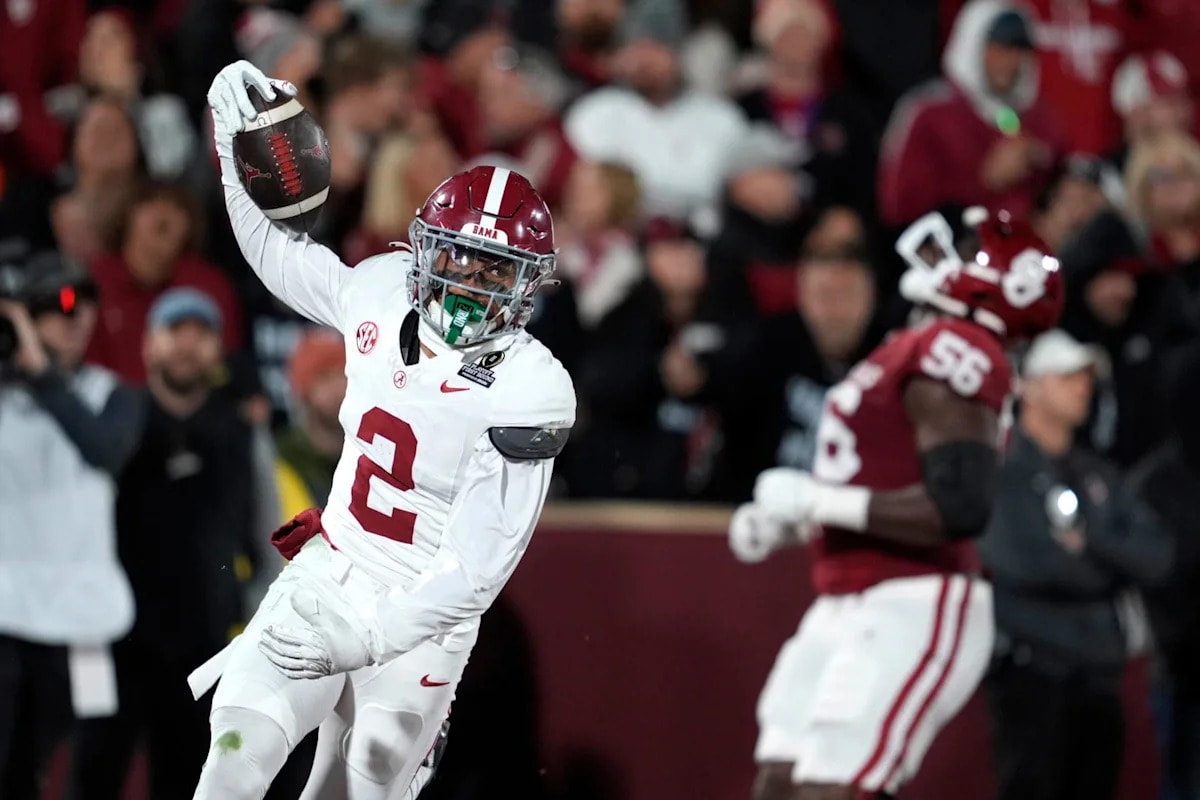
Alabama’s secondary is being discussed as one of college football’s most complete defensive groups as the 2026 season approaches, and the emphasis is on depth rather than star power. In a recent report, Yahoo Sports highlighted that the Crimson Tide are gaining momentum after receiving high praise from analyst Aaron Taylor, pointing to a defensive backfield that can keep the level of play high even as personnel changes during a game.
In modern college football, “depth” in the secondary is not a feel-good slogan. It is the practical ability to rotate multiple defensive backs without dropping coverage integrity, tackling reliability, or communication. When a team can do that, it can keep its defensive scheme consistent across down-to-down adjustments, whether offenses spread the field with two-high looks, motion to manufacture seams, or attempt to isolate slot matchups in space.
For Alabama, the recurring theme in this early-season assessment is that the unit is showing enough quality across multiple players to suggest it will not be forced into a tradeoff between coverage and availability. That matters because the most common failure mode for defenses with a young or top-heavy secondary is predictable wear. Once offenses identify who can be stressed in single coverage or who is most vulnerable against disciplined route running, the game plan starts to tilt toward creating mismatches, forcing safeties and cornerbacks into higher-risk decisions.
The report frames Alabama’s defensive backfield as a collective, with momentum building over the past week as the public discussion around the secondary has intensified. While the details of who did what are not provided in the portion of the report available here, the core point is clear: the team is being evaluated as having enough internal options that the secondary can remain competitive even when opponents vary their passing routes and personnel groupings.
There is also a coaching and scheme angle to depth that often gets missed in early hype. A secondary that can rotate confidently allows defensive coordinators to experiment with coverage looks. It becomes easier to mix bracket and cloud-type principles, disguise the safety’s post-snap responsibilities, and keep quarterbacks from reading tendencies tied to a single player’s strengths or weaknesses. In other words, depth can translate into more flexible playcalling, not just more bodies on the roster.
Still, this is early evaluation, not a final verdict. Preseason discussions can swing quickly as fall camp progresses and games begin, especially because timing in pass coverage is as much about coordination as it is about individual ability. The first real tests will come when Alabama has to execute under game tempo, manage route concepts that are designed to stress communication, and respond to offenses that adjust after early reads. The secondary’s depth will be measured by whether it holds up when it is no longer facing scripted practice situations.
What to watch next is whether the conversation becomes more concrete with specifics. Look for whether Alabama’s secondary can consistently prevent big-play separation, especially on intermediate routes where quarterbacks often look to move the ball after initial completions. Also watch for whether the unit’s rotations can maintain assignment discipline, since that is the clearest indicator that depth is functioning as intended. If the Crimson Tide’s early promise continues to show up in execution, the secondary could become one of the season’s defining strengths.
Why It Matters
- Depth in the secondary can reduce defensive drop-offs when personnel changes occur, which is crucial against pass-heavy game plans.
- If Alabama can rotate without losing coverage discipline, it can run a wider variety of looks and disguises, complicating opponents’ pre-snap reads.
- A strong, stable defensive backfield can define the ceiling of a team’s overall defense, especially in high-leverage moments tied to third down and red-zone defense.
- The early narrative will likely intensify or fade once opponents test Alabama’s matchups in actual game situations.
Key Facts
- A Yahoo Sports report on August 21, 2026 says momentum is building around Alabama’s secondary as a major strength.
- The report emphasizes depth within Alabama’s defensive backfield rather than focusing on one player.
- The evaluation includes high praise from analyst Aaron Taylor.
- The discussion is positioned as an early outlook for the 2026 season rather than a completed assessment from games.