
THE APEX TIMES
Alabama’s fall camp emphasis: bulk up the defensive line to better handle the run
With defensive coordinator Kane Wommack pointing to size and strength along the front, Alabama’s 2026 fall preview centers on building a heavier interior presence aimed at improving run defense.
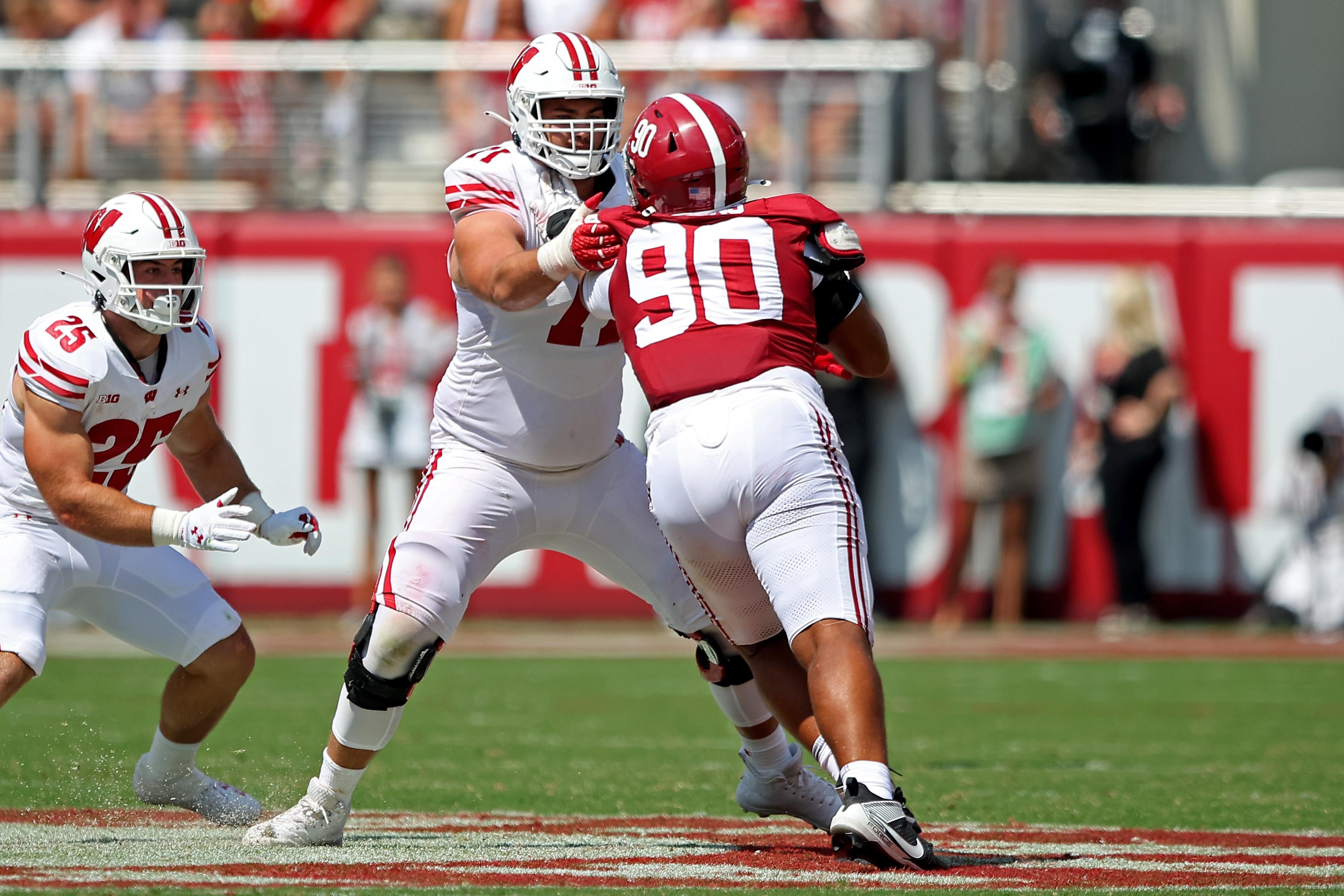
Alabama’s preparation for the 2026 season is making one theme hard to miss, the Crimson Tide want more size along the defensive line to hold up better in the run game. The point of emphasis is not framed as a subtle tweak. In a fall preview, Alabama is described as having “hit the transfer portal” to add more mass to its defensive front, a move the program sees as necessary for consistent physicality in the trenches.
The staffing lens matters here because the emphasis comes directly from the defensive side. Defensive coordinator Kane Wommack is cited as saying that one of the biggest offseason priorities was getting the defensive line bigger. In practice, that means Alabama is trying to change what opponents feel when they run into the interior, particularly at the first and second level where leverage and staying power often determine whether a run play keeps moving or stalls out.
Alabama’s offseason approach also reflects the modern SEC reality that run defense is not just about stopping one gap. It requires controlling space with bodies that can absorb double-teams, maintain contact, and still finish. The idea of “more mass” reads as a direct attempt to improve those outcomes, especially against teams that try to wear defenses down over four quarters by repeatedly attacking the same type of front.
The preview framing suggests the program believes personnel can change the defensive baseline. Instead of treating run defense as only a scheme question, Alabama is positioning the defensive line’s physical profile as the foundation. That is a different emphasis than teams that chase purely speed or pass-rush traits, and it can have ripple effects on how the rest of the defense plays behind the front.
Because the account is a preview rather than an official roster release, some specifics that fans typically want, such as exact transfer names, along with their roles and timelines, are not included in the available text. What is clear is the direction of travel: Alabama intends to show up heavier in the fall, with transfer additions serving as the primary mechanism to do it.
If the “bigger defensive line” message holds during evaluation, the first observable change should be Alabama’s ability to defend inside runs and keep gaps from opening after initial contact. From there, the second-order question becomes whether the added mass affects other facets, like pursuit angles and how quickly the front can reset after a run is broken outside.
For fans watching the early weeks of the 2026 season, the most important thing to monitor is how Alabama’s front responds to repeated runs. The goal is not one highlight stop. It is the day-to-day consistency of holding up when opponents use tempo and volume, and whether the new emphasis translates into fewer extended drives rooted in the run game.
Why It Matters
- In the SEC, run defense is a season-defining baseline, and Alabama is treating front-line personnel as a direct lever for that performance.
- Adding size can change how Alabama plays every down behind the defensive line, affecting both gap discipline and how quickly the defense can reset.
- If the approach works, Alabama’s identity shifts toward physical control of the interior, which can influence game plans for opponents across the schedule.
- The early evaluation period will reveal whether the added mass improves consistency without sacrificing defensive flow and pursuit.
Sources
Key Facts
- Alabama’s 2026 fall preview focuses on making the defensive line larger and more physical to improve run defense.
- Defensive coordinator Kane Wommack is described as identifying line size and the run-game matchup as a major offseason emphasis.
- The preview says Alabama “hit the transfer portal” to add mass along the defensive front.
- The storyline centers on holding up against running offenses by improving strength and stability at the line.