
THE APEX TIMES
Alfredo Duno returns and shows no rust as the Reds’ No. 22 prospect strings together extra-base hits
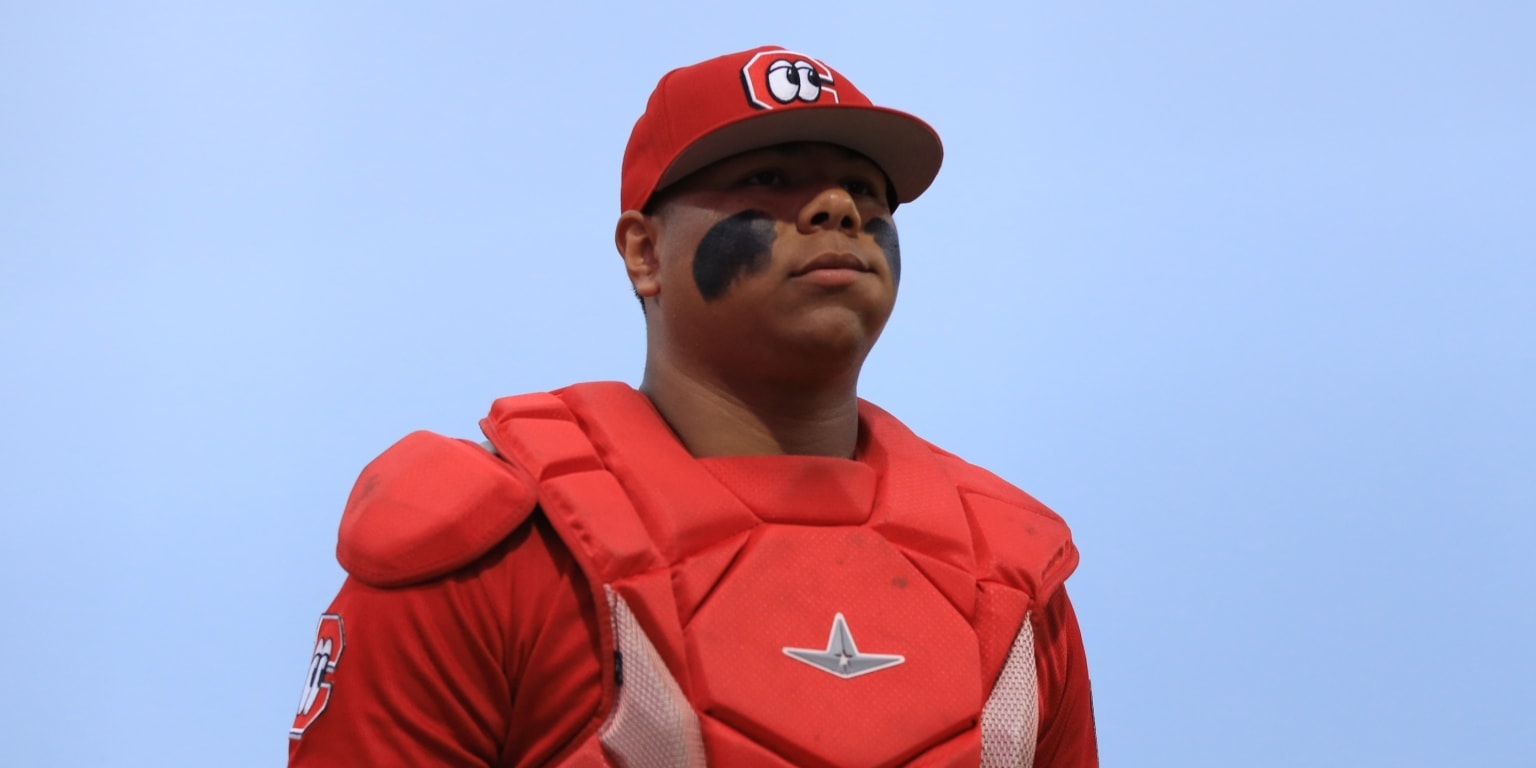
Coming off a right hamstring strain that sent him to the injured list after July 29, Double-A Alfredo Duno made an immediate impact with two doubles and a single in his return.
Alfredo Duno’s return from the injured list went the way the Reds have been hoping their top minor league talent can handle time off, with production that looked more like rhythm than recovery. In a Wednesday performance highlighted by extra-base contact, Duno went 3-for-his? with two doubles and a single, according to MLB’s team report. The outcome mattered because Duno had not taken the field since July 29, when a right hamstring strain landed him on the IL for nearly a month.
The hamstring context is important for prospects because it affects more than batting practice. For hitters, a leg injury can change stride timing, create hesitation on swings, and reduce confidence in lower-body load. MLB’s report emphasized that Duno did not appear “worse for wear” in his first outing back, framing the return as both physical and performance validation rather than a tentative reintroduction.
Duno is currently regarded within the organization’s prospect pipeline as the Reds’ No. 22 prospect, and the timing of his IL stint placed him in the middle of the season’s stretch run for Double-A. When a player misses that span, it can shrink the window for in-season development goals that rely on repeat at-bats. By getting back on the field and contributing promptly, Duno preserved his ability to keep building at the level without waiting for the next campaign to establish momentum.
The stat line itself indicates more than a single good night. Two doubles suggest Duno was able to drive the ball with authority rather than simply collecting singles. The single, paired with the doubles, also suggests his approach translated across multiple pitches and locations, an encouraging sign given that hitters returning from injury often start by tightening contact quality to reduce risk.
For the Reds, a prospect’s return performance can have knock-on effects within the farm system. Extra-base power from middle-of-the-order profiles typically influences lineup protection, spacing, and the way managers deploy players around them late in games. While the report focused on Duno’s on-field showing, the implication for the organization is straightforward: when a top prospect is healthy enough to perform, the developmental lineup picture becomes more stable, and coaches can continue evaluating him in game-like conditions instead of working around limited availability.
As summer winds toward fall, teams across the minor leagues track which players can regain form quickly after setbacks. Duno’s return performance gives Cincinnati a data point that his hamstring, at least in this immediate window, did not prevent him from syncing his swing to game pitching. That does not erase the underlying reality of the injury, but it does offer an early answer to the question of whether the return would look cautious.
What to watch next is how Duno handles follow-up games over the next couple of weeks. The first appearance off the IL is a meaningful benchmark, but continuity is what ultimately determines whether a player is truly past the affected period. If he can keep producing while maintaining mobility and swing decisions, the Reds can treat the return as progress, not just a brief uptick.
For fans following the Reds’ depth, the storyline is also about how quickly a top prospect can translate time missed into usable development. Duno’s performance on Wednesday, with two doubles and a single after an extended absence, positions him as a prospect to monitor as the Double-A season moves toward its later stages and as Cincinnati continues to balance development priorities with postseason goals in the minors.
Why It Matters
- A successful early return helps a prospect preserve in-season development time rather than restarting the learning curve later.
- Hamstring recovery matters for hitters because it can affect lower-body timing, swing load, and confidence in movement.
- Extra-base production on a return game can influence how Double-A lineups are constructed around a key player.
- For the Reds, continued health and consistent performance from a top prospect strengthens organizational planning deeper into the season.
Key Facts
- Alfredo Duno returned from the injured list after a right hamstring strain.
- The strain had kept him off the field since July 29.
- In his return, MLB’s report described a three-hit night that included two doubles and a single.
- Duno is identified by MLB as the Reds’ No. 22 prospect.
- The performance came at the Double-A level.