
THE APEX TIMES
American League turns a three-run first inning into a 4-0 All-Star Game win in Philadelphia
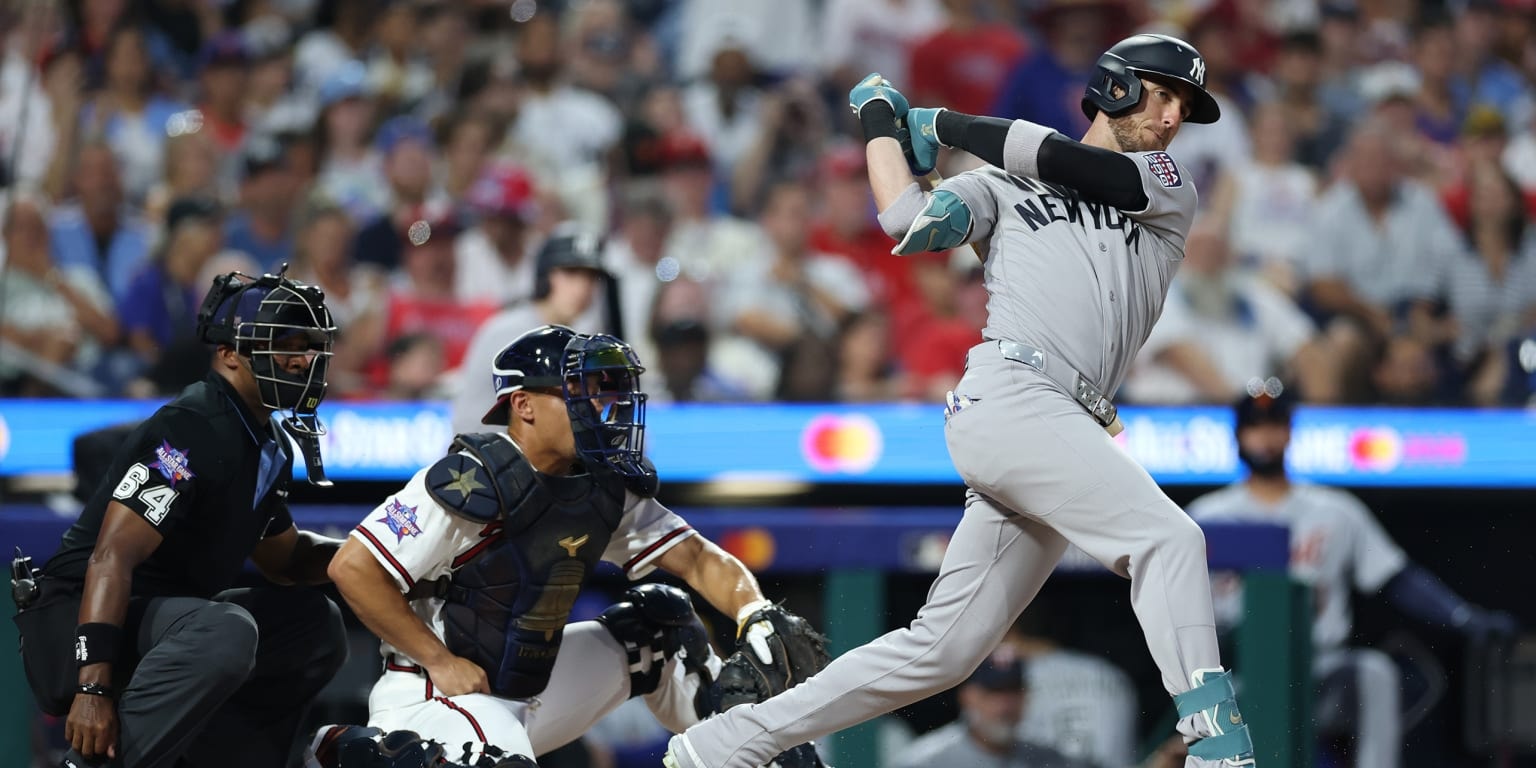
The 96th Midsummer Classic played out as a reset button for the American League, which seized early momentum and held the National League without a run.
Philadelphia’s “City of Brotherly Love” hosted the 96th MLB All-Star Game on Tuesday night, and the American League delivered the kind of assertive performance its regular season had often lacked. In a matchup billed as a celebration of baseball, the AL set the tone quickly, scoring a three-run first inning and ultimately closing on a 4-0 win over the National League.
The American League’s early surge did most of the work. With runs across the first frame, the AL took control before the National League could settle in, turning the contest into a track meet the AL could pace from the front. The 3-run first was the difference-maker, converting opportunity into separation rather than letting the game drift into late-inning, run-for-run territory.
Once the lead was established, the American League played a style that mattered in an exhibition environment where managers often manage matchups inning by inning. A 4-0 lead changes the way both dugouts approach each subsequent at-bat, and the AL’s ability to keep the National League off the scoreboard maintained pressure through the middle innings.
The shutout also served as a statement about how All-Star games can diverge from day-to-day team narratives. According to the MLB report, the American League had been marked by “unassertive” teams during the regular season, yet the Midsummer Classic outcome suggested that those reputations do not always travel to July when talent is concentrated and roles are flexible.
That contrast likely resonates beyond the scoreboard. All-Star results do not directly affect postseason seeding, but they can influence the way players and clubs evaluate momentum heading into the stretch run, especially when the game’s tempo swings on whether the first opportunity is cashed in. In this case, the AL cashed in quickly, and that early efficiency carried.
As teams return to their regular schedules, the All-Star Game’s main takeaway is not only that the American League won, but that it did so by doing the essentials in a high-leverage moment: getting runs early and defending a lead. For baseball watchers, the bigger question is whether the performance reflected something sustainable about AL depth and bullpen reliability, or whether it was simply the kind of concentrated, matchup-driven execution that defines the Midsummer Classic.
With the next phase of the season approaching, the 4-0 outcome in the City of Brotherly Love becomes a compact headline for what to watch next: how the American League’s clubs respond when their own “All-Star” matchups and late-inning situations start deciding games that actually count in the standings.
Why It Matters
- A 4-0 All-Star win emphasizes how early innings can decide exhibition games as much as late pitching.
- The American League’s three-run first inning highlighted the value of converting first-round opportunities against high-end National League talent.
- All-Star performance can shape perceptions of depth, especially for teams planning their pitching and lineup strategies for the stretch run.
- Philadelphia’s hosting of the Midsummer Classic underscored MLB’s continued focus on marquee civic venues while the game itself delivers a clear league headline.
Key Facts
- The 2026 MLB All-Star Game was the 96th Midsummer Classic.
- The American League defeated the National League 4-0.
- The American League scored three runs in the first inning.
- The game was played in Philadelphia.
- The MLB report framed the win as a contrast to the American League’s regular-season reputation.