
THE APEX TIMES
Analyst Brooks Austin argues coaches must block NFL-return loopholes in college football
Austin says athletes who sign NFL contracts or report to NFL training camps should permanently forfeit NCAA eligibility, warning that college programs can’t outsource compliance or ethics to the NCAA.
College football’s boundary with the NFL keeps eroding, and analyst Brooks Austin is calling for a harsher line on who gets to remain eligible after turning pro. In a recent commentary carried by Yahoo Sports, Austin argued that if players have effectively committed to the NFL by signing contracts or reporting to training camps, college programs should not be able to bring them back into the NCAA ecosystem.
At the center of Austin’s critique is the recurring cycle of top programs pursuing experienced, NFL-adjacent players when roster needs change. He frames the issue as one of responsibility rather than technicalities, saying head coaches and athletic departments must govern their own decisions instead of relying on shifting interpretations of what counts as “done” at the professional level.
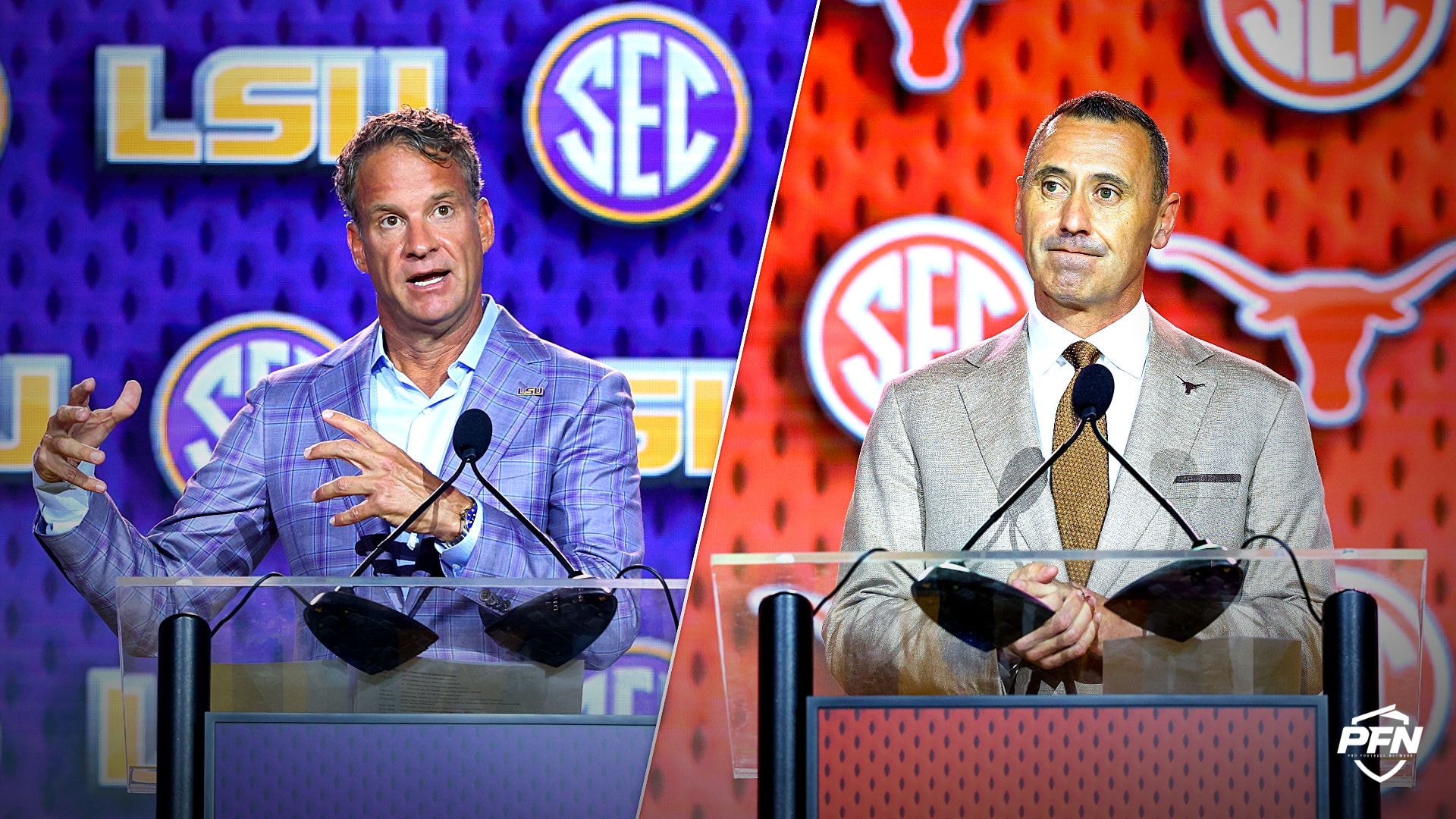
Austin also cited warnings that the separation between college and the NFL should not be treated as a gray zone. The Yahoo Sports piece notes that Lane Kiffin and Steve Sarkisian have similarly raised concerns about returning professional-level players to college programs, using the idea that coaches should protect the integrity of the sport from within their own recruiting and roster-building operations.
The NCAA eligibility question matters because college football’s product is built on amateur status and institutional competition. When athletes can move between professional opportunities and college rosters, it changes how fans, coaches, and conferences view fairness, scholarship planning, and the long-term development mission that many programs claim to serve.
Austin’s proposal is blunt: he argues that players who sign NFL deals or enter training camps should permanently forfeit NCAA eligibility. His logic is that once a player has entered the NFL pipeline, any attempt to return to college should be treated as a completed transaction, not a reversible step that can be timed to meet roster or competitive goals.
This is less about a single team’s offseason plan and more about the competitive incentives that shape college roster building. If coaches believe the market will reward them for finding paths back to eligibility, the pressure spreads across programs, and the integrity concerns become systemic. Austin’s argument implies that even well-run programs can contribute to the problem if the rules allow return paths that blur amateur boundaries.
Still, college football’s eligibility framework is governed by NCAA bylaws, and enforcement is not always straightforward. Without an official policy change described in the Yahoo Sports commentary, Austin’s stance functions as an argument to influence the debate rather than a confirmed rule update.
What to watch next is whether college leadership, conference governance, or the NCAA itself responds to the recurring public pressure to clarify eligibility. With multiple high-profile head coaches on record about the issue, the bigger question is whether Austin’s “permanent forfeiture” concept gains traction as a practical reform, or whether the sport continues to navigate these boundary disputes through limited interpretations and case-by-case rulings.
Whether the debate leads to policy tightening or to continued flexibility, it will likely remain a defining topic for this offseason and beyond. Teams will keep evaluating roster construction in real time, and the integrity of the college game will remain tied to how cleanly the line is drawn between college eligibility and the professional ladder.
Why It Matters
- Eligibility and amateur-status boundaries affect perceptions of fairness across college football.
- If return paths remain available, they can reshape recruiting and roster-building incentives leaguewide.
- Public pressure on the NCAA and conference leadership can drive future eligibility-policy changes or clarifications.
- The debate influences how teams plan scholarship use and competitive cycles when pro-adjacent players become options.
Key Facts
- Brooks Austin, in a Yahoo Sports commentary, criticized the practice of bringing NFL-linked players back into college football.
- Austin argued that athletes who sign NFL contracts or report to NFL training camps should permanently forfeit NCAA eligibility.
- The Yahoo Sports piece also references concerns previously raised by Lane Kiffin and Steve Sarkisian about bringing NFL players back to college.
- Austin framed the issue as a responsibility for head coaches and programs, not something they can delegate to broader interpretation of rules.