
THE APEX TIMES
Anderson and Sloan deliver as Double-A twin bill turns into a Saturday double feature
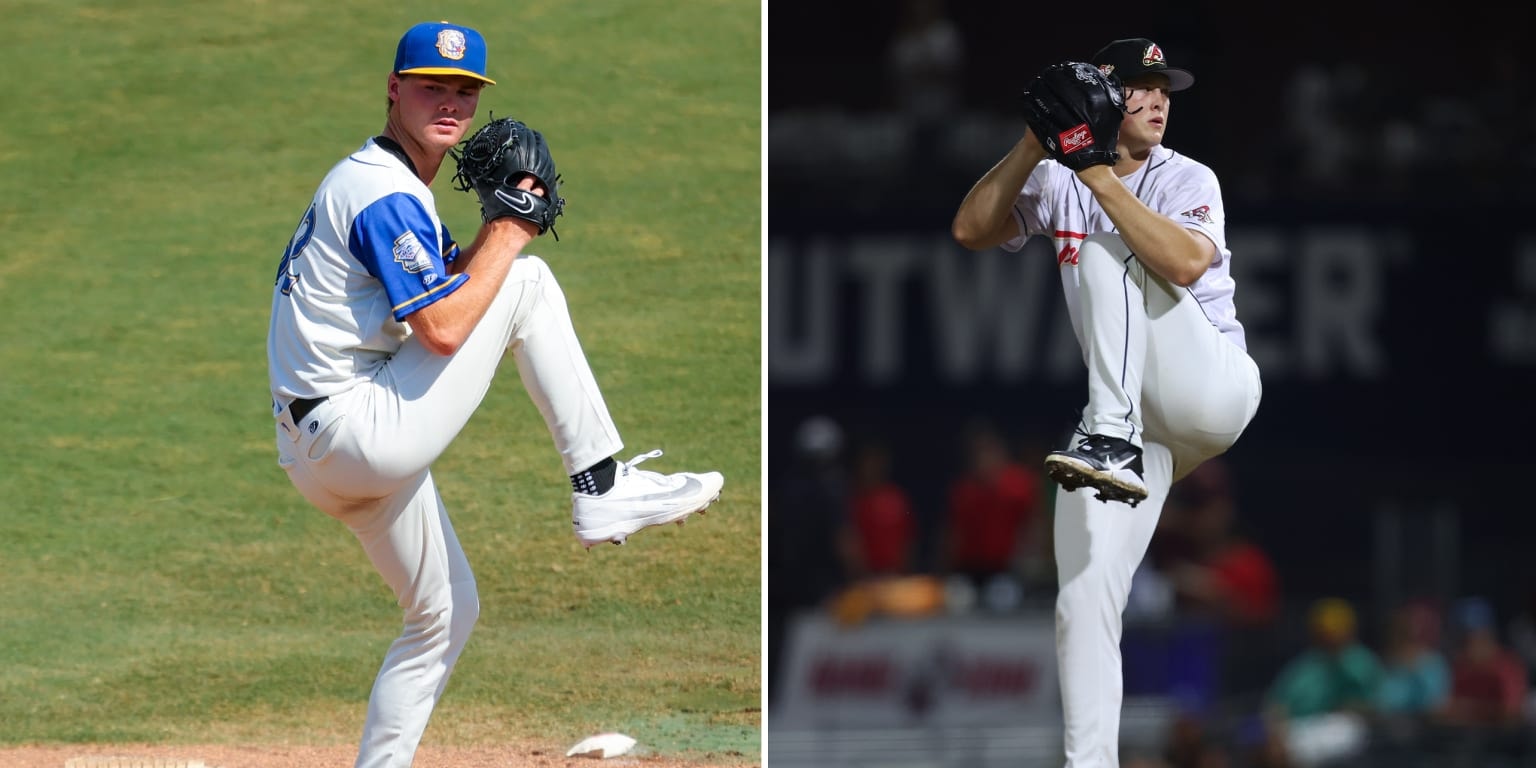
Rain in North Little Rock delayed Friday’s action, then rearranged the day into a back-to-back pitching showcase at Dickey-Stephens Park, where Mariners Double-A prospects Kade Anderson and Ryan Sloan each turned in dominant starts.
A rainy Friday in North Little Rock, Ark., forced a postponement at Dickey-Stephens Park, but it also set up something that baseball’s minor leagues can do well when weather interferes: a double feature. When play resumed in the updated schedule, Kade Anderson and Ryan Sloan each took the ball for separate Double-A games and produced the kind of back-to-back pitching performances that can quickly reshape how a season’s prospect picture is viewed.
According to MLB’s game coverage, inclement weather rolled through the area and prevented the original slate from being completed on Friday. Instead of simply pushing the matchup to another day with no continuity, the rescheduling created a special two-game format at the same ballpark on Saturday. That matters in the Double-A context because the level is built for evaluation, and a condensed series offers more innings and more leverage opportunities in a short span.
Anderson’s turn came first, and the emphasis of the report was straightforward: he spun a strong start that helped define Game 1 of the twin bill. With Double-A lineups packed with both developing prospects and experienced players fighting for everyday roles, a “gem” start in a doubleheader setting is rarely only about command. It also reflects the ability to handle a hitters’ first look, adjust as the lineup turns over, and keep the game from slipping away before the late innings.
Sloan followed in Game 2, and MLB’s recap framed the result as another high-quality start that complemented Anderson’s. In back-to-back games, pitchers are often judged not just on how they begin but on how they manage the middle frames, when batters settle in and teams typically try to manufacture damage through sequencing and pitch efficiency. The report’s characterization suggested Sloan gave his team a strong foundation during the second half of the day.
The setting amplified the day’s significance. Dickey-Stephens Park is known for hosting developing talent for the Arkansas Travelers organization, and the stadium often acts as a proving ground where minor league storylines can turn quickly. When an entire series compresses into a doubleheader, it also concentrates attention on a short list of players who suddenly get two chances to make an impression, either as starters, as the rotation turns, or as the bullpen absorbs more responsibility.
For Anderson and Sloan specifically, the timing is notable because Double-A prospects are typically evaluated on their ability to translate tools into repeatable performances against a more advanced level of competition than the lower minors. A pair of strong starts in the same day does not automatically “solve” a player’s long-term ceiling, but it does provide scouts and team staff with a cleaner look at how a pitcher handles game-to-game rhythm and pressure.
There is also a tactical component to what the weather-driven doubleheader can force. Doubleheaders can change how teams manage their relief arms and the order of matchups, even if the individual pitchers are only responsible for their scheduled workload. Starters who set the tone early reduce the strain on the rest of the staff, and that can ripple into the next games on the calendar.
Looking ahead, the next step for both pitchers is consistency. Anderson and Sloan each established the kind of performance that keeps prospect conversations moving, but what ultimately matters for their seasons is whether the quality holds across upcoming starts and stretches of travel and schedule changes. For fans watching the Mariners’ player development pipeline, the Saturday twin bill offered a clear reminder of how quickly Double-A games can become decisive audition moments.
If you want, I can also produce a follow-up story once additional official reporting includes game logs, innings pitched, and key statistical lines from each of the two games. That information typically provides context on whether a “strong start” was driven by strike-throwing, specific pitch effectiveness, or late-inning composure.
Why It Matters
- Back-to-back quality starts in Double-A can accelerate how a prospect’s season narrative develops, especially when scouts get an efficient look at repeatability.
- Doubleheaders compress evaluation opportunities, giving teams more innings and matchup clarity in a short window.
- Strong early games can reduce bullpen strain, which is particularly relevant when a rotation has to absorb extra workload.
- For Mariners minor league tracking, performances like Anderson’s and Sloan’s provide tangible evidence that tools are translating to higher-leverage situations.
Sources
Key Facts
- A rainy Friday in North Little Rock, Ark., delayed the original Double-A slate at Dickey-Stephens Park.
- The postponement was resolved by staging a Saturday double feature at Dickey-Stephens Park.
- Kade Anderson delivered a strong start to help define the first game of the twin bill.
- Ryan Sloan followed with another strong start in the second game.
- MLB coverage framed the two performances as back-to-back “gems” in the Double-A doubleheader setting.