
THE APEX TIMES
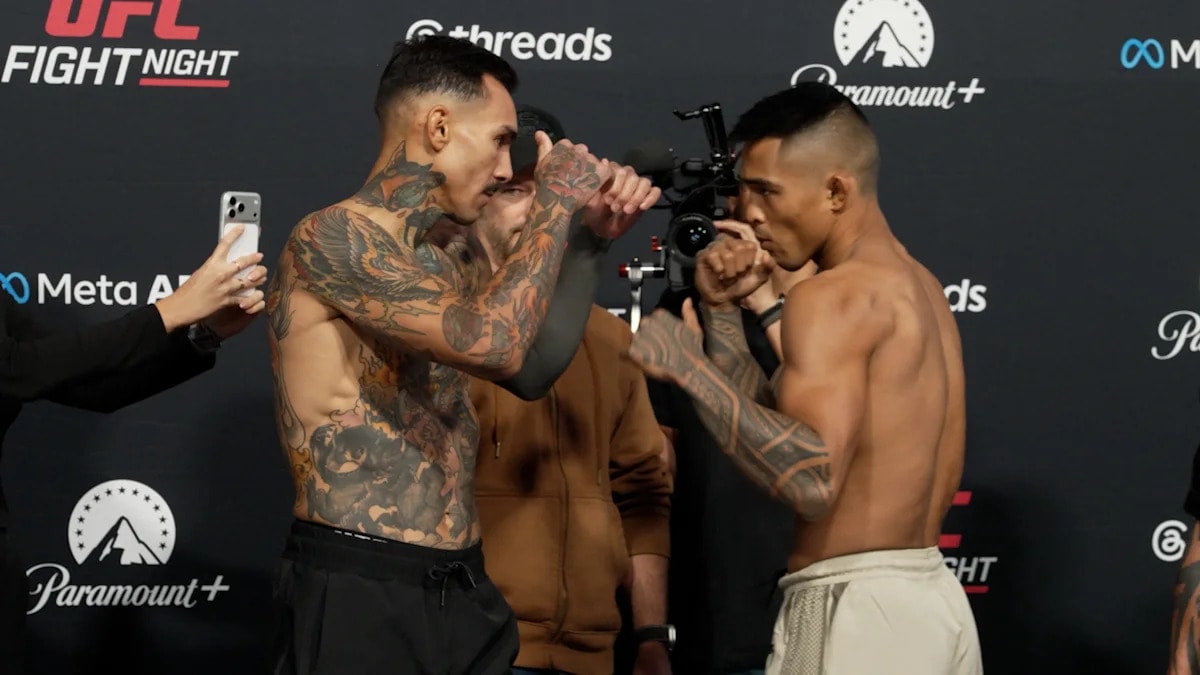
Andre Fili and Kai Kamaka III headline UFC Fight Night 290 after setbacks, with veterans aiming to re-enter the win column
A main-card meeting at the Meta APEX in Las Vegas sets up a high-stakes bounce-back for two UFC veterans, as an MMA Junkie analyst breaks down what to watch in Andre Fili vs. Kai Kamaka III.
Andre Fili and Kai Kamaka III meet on the UFC Fight Night 290 main card at the Meta APEX in Las Vegas in a matchup framed as a chance to reverse course. According to the preview of the bout coverage, both fighters enter following losses, turning this contest into more than a typical stylistic clash. For each veteran, a win is a practical reset, the kind of result that can help stabilize momentum while the UFC continues to sort through depth at the top and mid levels of its weight classes.
The fight-night context matters because UFC matchmaking often uses these main-card slots to keep careers moving. For established names like Fili and Kamaka, the promotion has less patience for extended inactivity than it does with developing contenders. A loss can compress a fighter’s runway, making the next opportunity not just another appearance but a referendum on direction. That is the underlying pressure point behind the pairing, even if the matchup itself remains the headline.
The bout also carries a “between eras” feel. Fighters at this stage of UFC careers usually bring more than just technique, they bring fight management and preparation experience that can show up in later rounds, in the way they respond to adversity, and in how they pace danger. When both participants are veterans, analysts tend to focus less on who has the cleaner tools in isolation and more on who can make adjustments earlier, sustain openings longer, and avoid repeating the same mistake twice.
In the preview that sparked this breakdown, MMA Junkie analyst Dan Tom is credited with offering a quick look at what he expects from Andre Fili vs. Kai Kamaka III. While the Yahoo Sports write-up emphasizes the prediction/pick angle, the essential takeaway is that the matchup is being treated as a serious, fight-in-fact challenge rather than a tune-up. For viewers, that means the most important question is not only how either fighter starts, but which skill set can hold up once the other man has time to find rhythm.
Because the preview centers on both men coming off defeats, the early moments can become especially telling. Losses typically force changes, whether they are tactical, conditioning-related, or rooted in how a fighter chooses to engage. In UFC fights, those adjustments can appear immediately in the way a competitor targets an opponent’s preferred range or changes the tempo when a first plan does not work. If one fighter is forced to revert quickly to earlier habits, that can determine how the bout unfolds.
The location adds another layer of standard UFC logistics and atmosphere. Las Vegas and the Meta APEX are common settings for cards that mix veterans with rising names, which means the main event and supporting slate can shape how the UFC builds future matchups. A win by either Fili or Kamaka could also help steer where they land on the next set of matchmaking considerations, particularly if the promotion is looking to reward credibility after a stumble.
The clearest “watch next” item is straightforward: follow what happens over the full 15 minutes. In a veteran-versus-veteran setup, late-round clarity often matters as much as initial advantages. If one fighter is able to turn the fight through adaptation rather than reaction, it usually indicates a more durable path forward, especially after a prior loss. With both athletes entering under the same bounce-back umbrella, the result can sharpen the UFC’s view of who is ready to keep climbing and who needs to rebuild.
For now, the best course is to treat this bout as a pressure test at the UFC Fight Night level, where momentum is earned quickly and momentum is lost just as fast. The public coverage positions Andre Fili vs. Kai Kamaka III as the kind of matchup that can reframe a fighter’s near-term outlook immediately, not weeks from now. Expect the fight’s turning points, not just its opening exchanges, to determine who gets the most meaningful step after a setback.
Why It Matters
- A win can restore leverage in UFC matchmaking after a loss, especially for veterans competing on main cards.
- The fight’s outcome can influence how the promotion views each fighter’s near-term trajectory.
- Because both entrants are coming off defeats, the bout is likely to hinge on adjustment and resilience rather than just early execution.
- Main-card positioning at Las Vegas events can raise visibility and shape the next set of opponent possibilities.
Sources
Key Facts
- Andre Fili vs. Kai Kamaka III is scheduled for the UFC Fight Night 290 main card.
- The event will take place at the Meta APEX in Las Vegas.
- Both fighters are described in the preview as entering following losses.
- The matchup is being highlighted with a prediction/pick and matchup breakdown from MMA Junkie analyst Dan Tom.
- The bout is framed as a return-to-winning opportunity for two UFC veterans.