
THE APEX TIMES
Andre Fili leans into adaptation as he talks “longevity” ahead of UFC Fight Night 290
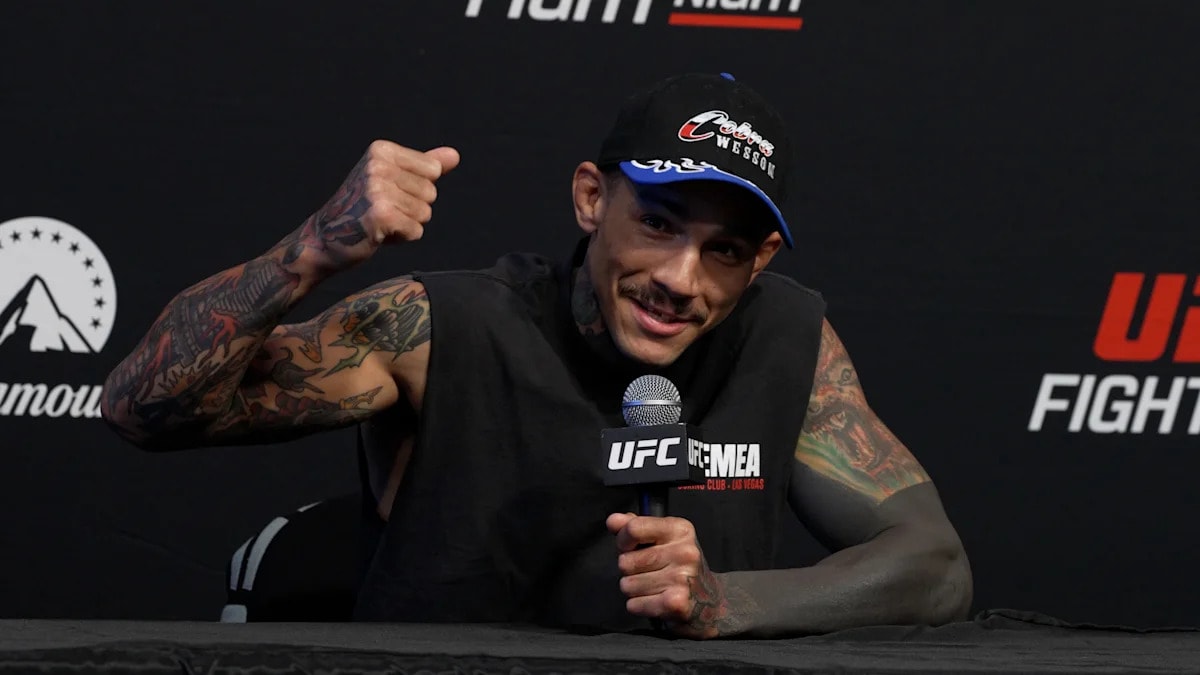
The 36-year-old veteran says his approach to aging in mixed martial arts is less about slowing down and more about changing how he prepares, even as he steps into Saturday’s fight against Kai Kamaka III.
Andre Fili is entering his UFC Fight Night 290 matchup with Kai Kamaka III with a clear theme: how to keep competing effectively as an aging veteran. In explaining what he believes sets him apart from other fighters who have spent years in the sport, Fili framed longevity as a process of adaptation, not a single training trick.
Fili, 36, has long been known as a durable, grinding presence in the bantamweight picture, and his comments to Yahoo Sports focused on the idea that veterans must make consistent adjustments to the way they manage effort across a career. Rather than treating the later stages of a fighting career as a decline, Fili described a mindset that prioritizes sustaining performance through smarter routines and a controlled approach to preparation.
A central part of Fili’s “longevity” argument is that aging fighters cannot rely only on the same habits that carried them early. According to his framing, what matters is the ability to keep improvement moving even when physical recovery and day-to-day readiness become harder. In that sense, the veteran’s explanation reads like a checklist for maintaining competitiveness: stay technical, keep the body healthy enough to train, and evolve as opponents and circumstances change.
The matchup with Kamaka III adds urgency to that message. Fili’s opponent represents a different generation, and the contrast between an established UFC veteran and a younger contender is often where adaptation becomes most visible. For Fili, the challenge is to translate experience into a fight plan that accounts for both his own late-career variables and the speed and hunger that younger fighters typically bring.
While Fili’s remarks emphasize what he believes will extend his career, the only thing that will ultimately settle the argument is what happens inside the Octagon on Saturday. Longevity can be a compelling narrative heading into a bout, but mixed martial arts remains a sport of margins, and small shifts in timing, movement, and execution decide outcomes more than pre-fight philosophy.
For fans, the bigger watch is whether Fili’s stated approach results in sharper fight-week readiness and sustained effectiveness as the bout progresses. If he can keep his rhythm while limiting the kinds of late-round fatigue that often come with age, it would reinforce the premise of his comments. If not, the matchup will still offer a clear answer about whether “aging well” can consistently hold up against the next wave of contenders.
Either way, Fili’s public explanation underscores a reality in the UFC’s modern era: careers that last are usually built around continual change. As Fili heads into UFC Fight Night 290, the conversation he is having about longevity is not just motivational language, it is an outline for how he intends to compete, fight smart, and keep moving forward.
Why It Matters
- Veteran longevity is one of the most important storylines in the UFC because it affects who can meaningfully challenge for position over multiple years.
- A Fili win would reinforce the value of experience and late-career adaptation against a younger opponent.
- How Fili performs can influence how the bantamweight division views aging fighters who remain tactically relevant.
- Fili’s framing about preparation is also a reminder that “being durable” often depends on how athletes manage training loads over time.
Sources
Key Facts
- Andre Fili is 36 years old and is discussing how to add longevity as a veteran in mixed martial arts.
- Fili’s comments came ahead of his UFC Fight Night 290 bout.
- Fili’s opponent is Kai Kamaka III.
- Fili says he has found what he believes is a key differentiator that can help older fighters extend their careers.
- The story centers on preparation and adaptation rather than a single moment of technique.