
THE APEX TIMES
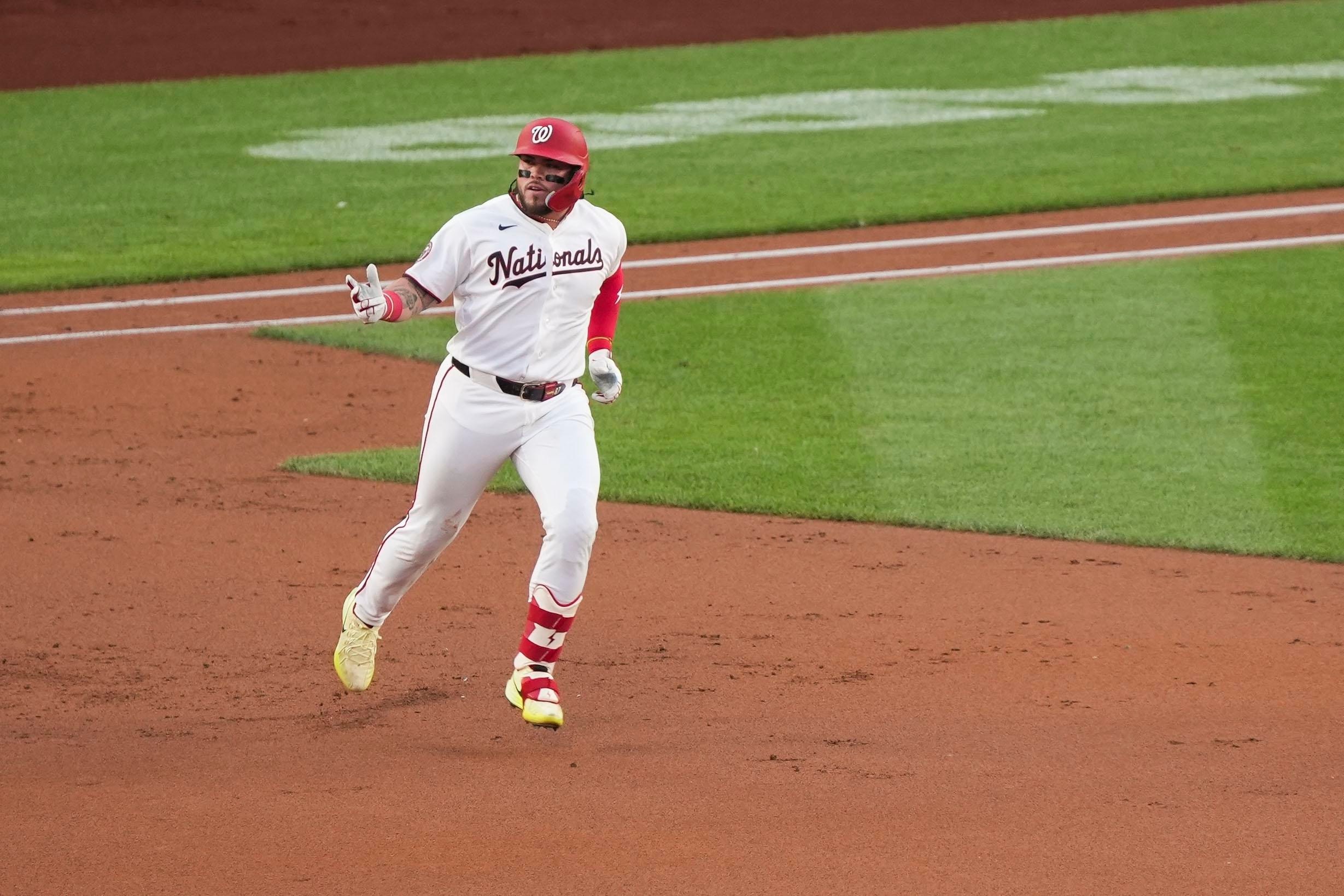
Andres Chaparro’s bat is earning Washington Nationals at-bats, turning a platoon opportunity into an everyday role
The Nationals appear to be leaning harder into Andres Chaparro as he produces enough to move beyond a niche left-handed matchup spot, a developmental path the club once took with Curtis Mead.
The Washington Nationals have a recent history of getting more out of a first-base platoon than they planned. Early in the season, Curtis Mead’s performance pushed him beyond a matchup-driven role, and he became a regular presence in the lineup. Now, Andres Chaparro is drawing a similar comparison as Washington indicates that it may be ready to expand his responsibilities at the position.
In a report from Yahoo Sports, Chaparro is described as moving from “platoon bat” status toward becoming an everyday contributor. The framing is straightforward: as he continues to hit, the Nationals are giving him more reps rather than treating his value as something limited to specific left-right splits. For a team building consistency and offensive production, that kind of shift matters, because it changes how a lineup is constructed and how often a manager can count on a particular bat.
Chaparro’s role expansion is also notable because Washington is not just adding a bench option. Yahoo Sports’ account compares his current trajectory to Mead’s early-season arc with the Nationals, the one that ended with Mead no longer needing a strict platoon label. While that comparison does not confirm Chaparro will follow the exact same timeline, it does suggest the Nationals are paying attention to who is getting results and are willing to adjust quickly when a player’s at-bats become too valuable to keep restricted.
The outlet also references that the Nationals have already moved on from the Curtis Mead blueprint. Mead, who previously earned everyday reps after excelling in the kind of role that could have stayed platoon-based, has since been traded. That detail matters in context, because it underscores that the Nationals’ willingness to give the hot bat more playing time is not theoretical for them, and it also highlights why the Chaparro development is being watched now.
If Chaparro is indeed taking the step described by Yahoo Sports, it is likely to have a ripple effect across Washington’s infield usage. Even without naming specific batting-order implications, an everyday role at first base or a primary-lefty role that expands beyond platoon boundaries typically forces managers to re-evaluate who starts, who sits, and where other players fit. That can affect both day-to-day planning and longer-term roster confidence, especially in the late season when the club’s objective is to make the lineup feel settled.
For fans and evaluators, the key question is whether the Nationals can sustain this approach. Turning a platoon bat into a regular contributor often depends on more than one hot stretch, and it can reveal whether a hitter’s adjustments are sticking. What to watch next is whether Chaparro keeps receiving expanded opportunities game after game, and whether Washington’s lineup construction continues to put him in positions that reflect a true everyday trust rather than a temporary uptick.
Why It Matters
- A shift from platoon usage to everyday reps can significantly change how a team sets its lineup and prepares for games.
- If Chaparro’s production continues, it gives the Nationals a more stable offensive option rather than relying on matchup-driven appearances.
- The Mead comparison suggests Washington has a track record of expanding roles quickly when a player proves himself, which can influence roster evaluation late in the season.
- First-base and infield playing-time decisions can affect the development and confidence of multiple players at once, not just the hitter at the center of the decision.
Sources
Key Facts
- Yahoo Sports reports that Andres Chaparro is moving from a platoon role toward becoming an everyday contributor for the Washington Nationals.
- The report draws a comparison to Curtis Mead, who previously earned regular reps after doing well early in the season in a first-base platoon-like setup.
- Curtis Mead has since been traded, and the report uses that change to frame the Nationals’ current decision-making around Chaparro.
- The central theme is increased at-bats for Chaparro as he continues to rake, according to Yahoo Sports.