
THE APEX TIMES
Andrew Alvarez’s breakout made a case for the Washington Nationals’ rotation plans
A season that arrived with low expectations has pushed Andrew Alvarez into the conversation for the Nationals’ future pitching group, even as the broader staff struggled.
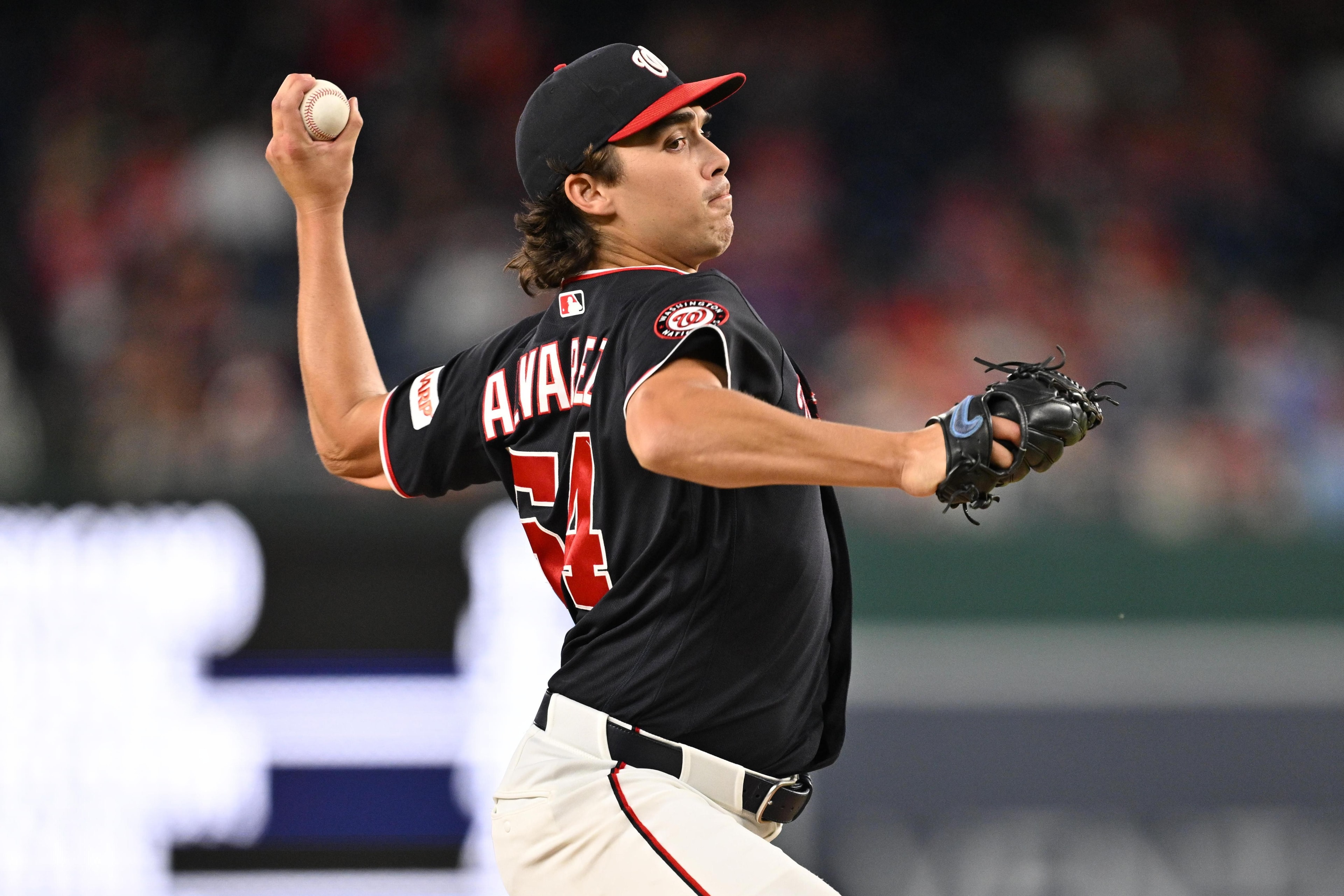
Andrew Alvarez did not enter the 2026 season as a lock for Washington’s long-term rotation picture, and at various points that expectation looked reasonable. But over the course of the year, the Nationals’ right-hander has pitched in a way that forced the franchise to take a harder look at his role, turning a surprising performance into a legitimate future-plan argument.
In a season where Washington’s overall pitching results did not match the standards the team is trying to build toward, Alvarez stood out as one of the clearer bright spots. Yahoo Sports framed his work as an emergence, noting that it would have been difficult to predict he would end the year as Washington’s second-best starter based on pre-season assumptions.
The significance of that framing goes beyond one player’s development arc. For a club still defining its roster identity, the rotation is often the foundation that determines how quickly younger pitchers can be trusted with larger workloads and higher-leverage innings. Alvarez’s progress, as described in the report, effectively accelerated that decision-making process by showing the ability to contribute meaningfully when the innings needed to be covered.
Washington’s staff as a whole, according to the same account, was not a strength in 2026. That matters because individual breakthroughs tend to get diluted when surrounded by performance that falls short. Instead, Alvarez’s season became the exception that helped put the team’s pitching evaluation into sharper focus, creating a clearer reference point for what the organization can build around.
There is also a roster-construction angle. When a pitcher forces the issue, it can change the order in which other players are evaluated and the urgency of adding help through the next wave of roster moves. In this case, the report’s premise is that Alvarez has done enough that the Nationals can more plausibly treat him as part of the next rotation identity rather than an extended audition.
What to watch next is how Washington translates an individual breakout into an ongoing role. That includes how the Nationals plan his usage, how they pair him with matchups in the rotation order, and whether his performance stabilizes as the league learns more about him. A one-year emergence can become a foundation or a brief surprise, and the difference usually shows up in the ability to repeat results after hitters adjust.
For the 2026 outlook, the takeaway is straightforward: Alvarez’s season gave Washington something it did not necessarily have locked in at the start, a reason to believe the future rotation includes his name. Even with broader staff struggles, the Nationals now have a tangible example of progress to build around, and that can influence everything from internal development priorities to how quickly the team expects its pitching plans to take shape.
Why It Matters
- A rotation-caliber breakout can change how a rebuilding team evaluates its next core of starters.
- When one pitcher emerges in an otherwise difficult staff year, it provides a measurable reference point for development.
- Alvarez’s progress could affect the Nationals’ urgency and strategy for future pitching additions.
- The next step will be whether his 2026 performance can be sustained as opponents adjust.
Sources
Key Facts
- Andrew Alvarez was not expected to be part of the Washington Nationals’ future rotation entering 2026.
- The Yahoo Sports report describes Alvarez as having forced the issue through his performance during the year.
- The Nationals pitching staff, in general, did not have a strong 2026 overall season.
- Alvarez’s emergence is described as one of the few positive storylines from Washington’s pitching group in 2026.