
THE APEX TIMES
Andrew Rohde, a former Wisconsin guard, enters the transfer portal after preliminary eligibility ruling
The former Badgers senior is seeking to take advantage of a court-ordered pathway that would allow him to play during the 2026 season, joining a crowded field of players exploring additional eligibility through the legal system.
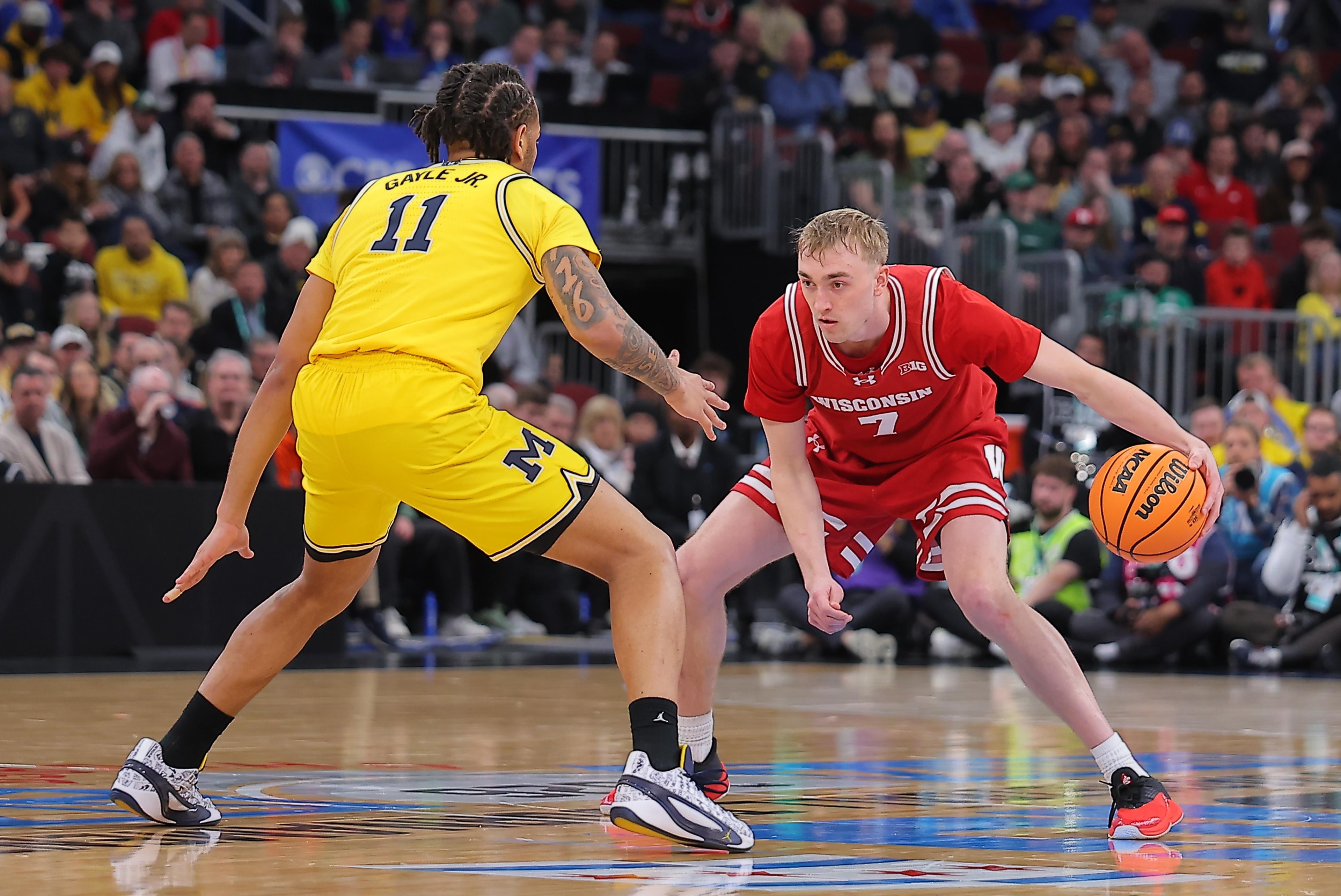
A former Wisconsin Badgers guard, Andrew Rohde, has entered the NCAA transfer portal, according to Yahoo Sports. The move comes after Rohde received a preliminary injunction that, as reported, would allow him to play in 2026. For Rohde, the portal is the practical next step after the legal ruling, since teams can only evaluate and recruit players who are formally available.
The timing matters in college basketball because the transfer portal has become a clearinghouse not just for roster-building, but also for eligibility uncertainty. As Yahoo Sports notes, multiple seniors have been exploring additional time through pending court processes. Against that backdrop, Rohde’s entry indicates that at least one player is prepared to plan as if a 2026 season is attainable, even while the broader eligibility landscape remains in flux.
For Wisconsin, the announcement is part of a larger question teams face each offseason: how to project scholarship and minutes when players may be seeking an additional year through litigation. A guard like Rohde typically represents a specific kind of roster value, since teams often build around backcourt spacing, perimeter defense, and ball-handling rhythm. Even without detailing his role from a specific box score or season, the portal entry is a reminder that the Badgers’ roster planning now includes an exit option that can become a new team opportunity for the player.
Rohde’s case also highlights the unique nature of eligibility disputes in recent years. A preliminary injunction, as described in the report, is not the same thing as a final resolution, but it can still provide enough near-term clarity for players to act. The portal entry is consistent with how athletes typically respond to interim rulings, looking for a program that will invest in their 2026 minutes while legal proceedings continue.
From a recruiting perspective, the portal can compress decision timelines. Teams monitoring the market often move quickly once they believe a player will be able to appear in games. Rohde’s availability, if the preliminary ruling holds, could make him more attractive to programs that are trying to balance immediate roster needs with academic and development timelines for guards entering the next season.
What to watch next is whether Rohde lands with a program that will publicly confirm his status for the 2026 season, and whether additional eligibility developments affect other players in similar situations. Even after a portal entry, eligibility can remain contingent, and teams must be prepared for scenarios where court outcomes change. For Wisconsin fans, the key takeaway is that one of the program’s former guards is turning a court-ordered possibility into recruiting leverage through the transfer market.
Why It Matters
- The portal entry adds another name to the 2026 player pool, where eligibility clarity can directly impact which teams can plan for real minutes.
- Wisconsin’s offseason roster planning is affected by how former players convert interim eligibility rulings into new opportunities.
- Eligibility litigation continues to shape recruiting strategy, with teams monitoring court developments alongside traditional transfer evaluation.
- Rohde’s next school choice could reflect how quickly programs are willing to commit resources to players with court-dependent timelines.
Key Facts
- Andrew Rohde, a former Wisconsin Badgers guard, has entered the NCAA transfer portal.
- Yahoo Sports reports that Rohde received a preliminary injunction to play in 2026.
- The report places the move in the context of other seniors seeking additional eligibility through pending court processes.
- Rohde’s portal entry indicates he is actively exploring a 2026 playing opportunity rather than waiting out eligibility uncertainty without roster options.