
THE APEX TIMES
Angels and expectations: Guardians prospect Angel Genao built for contact and the switch-hitting infield
Cleveland’s No. 2 in its prospect mix is a contact-oriented switch-hitting infielder, a profile that fits the franchise’s recent blueprint of turning bat-to-ball skill into infield production at the major-league level.
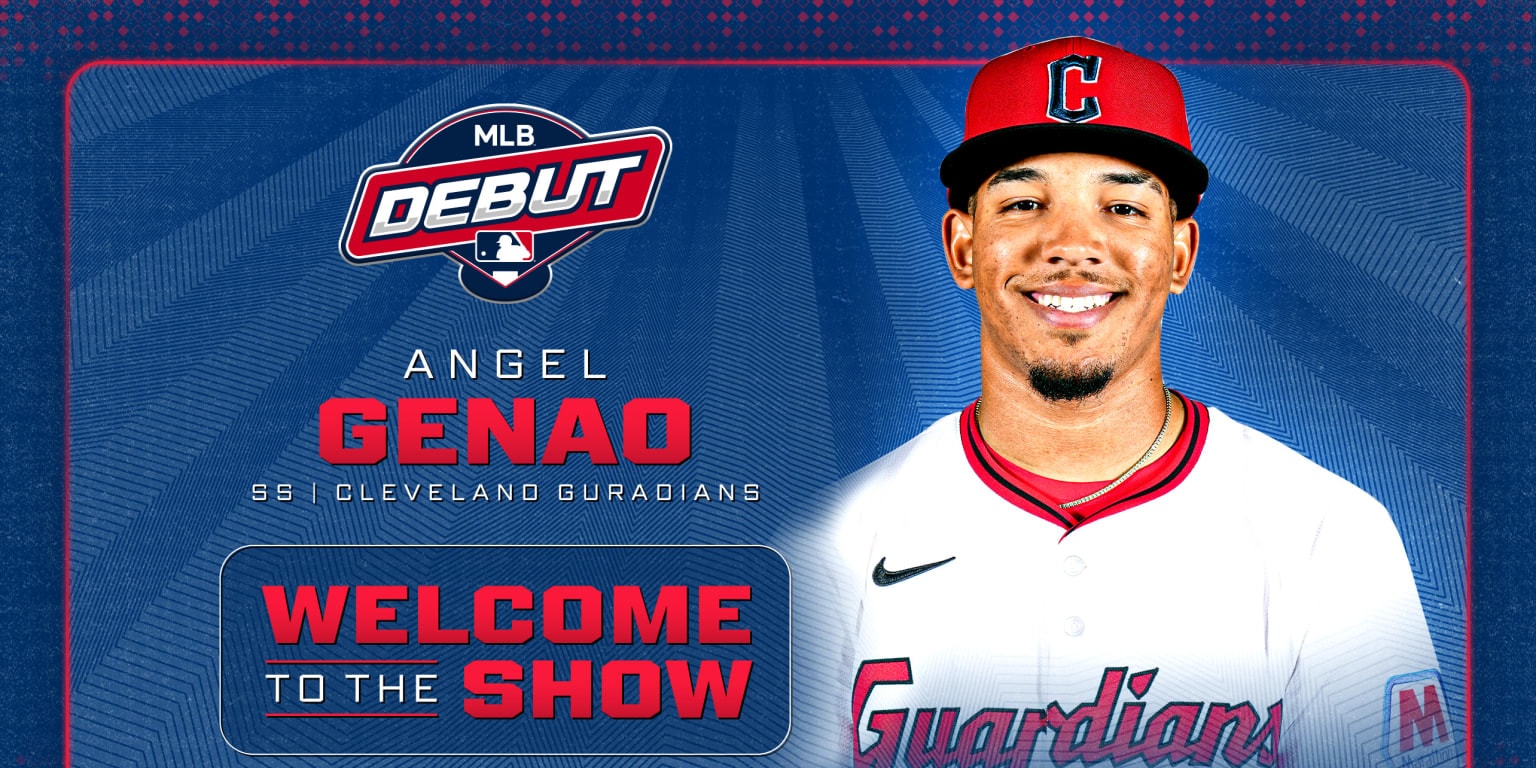
The Cleveland Guardians are turning their attention to Angel Genao, a switch-hitting infield prospect the organization has positioned as one of its top big-league hopes. In an MLB profile of what to expect as he closes distance to the majors, the emphasis is not on flash. It is on contact, and specifically on the kind of bat-to-ball approach that can translate to everyday value once a prospect reaches the pace and precision of big-league pitching.
Cleveland’s developmental preference, at least in recent seasons, has looked like the success they have already found with players who combine switch-hitting comfort with offensive toughness. The Guardians’ profile points to José Ramírez as an example of a high-impact switch hitter who has earned long-term All-Star recognition. It also highlights Brayan Rocchio, described as Cleveland’s best defender, as another illustration of how the club’s infield plans can blend offensive skill with defensive usefulness.
Genao is framed as a “type” player for the Guardians, a switch-hitting infielder whose primary calling card is contact orientation. That matters because contact-first profiles have a clear path to sustained at-bats, even when raw power is still developing or if exit velocity is not yet maxed. For a hitter who can hit from both sides of the plate, the operational goal is to keep the ball in play often enough that lineup managers can build around predictable pressure points, including in middle-infield spots where consistency is prized.
The jump from prospect to roster is rarely just about talent. It is about whether a player’s approach holds up when pitchers adjust. For Genao, that means how his contact skills behave against better breaking stuff, tighter strike zones, and more specialized matchups. A switch-hitter’s challenge is unique: improvements must show up both sides of the plate, because major-league clubs will test platoon tendencies with advanced scouting, not just conventional right-left splits.
If the Guardians are correct that Genao is built for the big-league infield, the immediate question becomes how his contact approach pairs with the defensive demands of an infield role. MLB’s preview ties the broader organizational theme together: the Guardians have leaned on switch-hitting infield profiles and have also valued defensive impact. In that sense, Genao is not being introduced as a pure hitter project, but as part of a style that Cleveland has repeatedly tried to operationalize from the farm system into the everyday lineup.
What to watch next, if and when Genao’s timeline advances, is whether his approach stays stable as the pitching quality rises. Contact orientation is a starting point, but major-league contact is defined by quality, not just frequency. Monitor how often he is able to put the ball in play on pitches in the strike zone, and whether his ability to hit from both sides remains consistent enough for managers to trust him in standard lineup construction.
Why It Matters
- If Genao’s contact skills translate, Cleveland could reinforce the infield with a lineup cornerstone that supports frequent at-bats and consistent production.
- A switch-hitting contact profile gives roster flexibility, especially when the club looks to matchups without sacrificing at-bat quality.
- The Guardians’ emphasis on infield style suggests Genao is being developed not only for hitting, but for an everyday role within the club’s identity.
- How he performs on both sides of the plate will be a key indicator of whether his prospect approach can survive major-league adjustments.
Sources
Key Facts
- MLB’s Guardians feature focuses on what to expect from Angel Genao as he approaches big-league action.
- Genao is described as a switch-hitting infield prospect with a contact-oriented profile.
- The piece frames Genao as fitting Cleveland’s preference for contact-oriented switch-hitting infielders.
- The article cites José Ramírez as an example of sustained success from the franchise’s switch-hitting infield blueprint.
- The article also cites Brayan Rocchio and notes him as Cleveland’s best defender.