
THE APEX TIMES
Angels interim GM John Mozeliak faces a Draft and Trade Deadline where decision-making must be fast
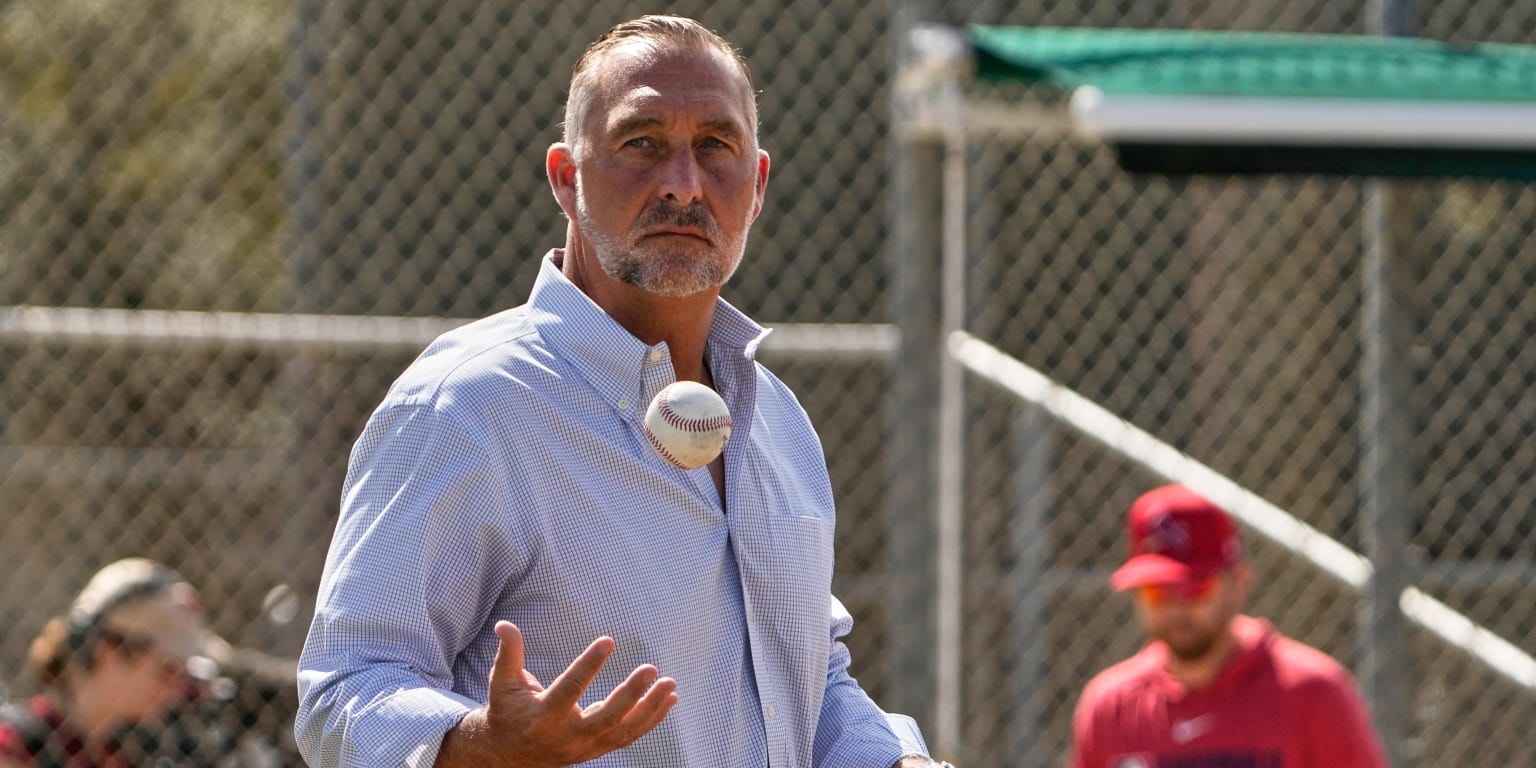
With John Mozeliak installed as interim general manager on June 26, Los Angeles is weighing whether its approach to the MLB Draft will change as the team prepares for July’s selection rounds and an active roster window.
The Los Angeles Angels’ front office is entering the most time-sensitive stretch of the offseason in-season calendar with a new voice at the top. On June 26, the organization dismissed Perry Minasian as general manager and brought in longtime Cardinals executive John Mozeliak as interim GM, a shift that arrived ahead of both the MLB Draft and the Trade Deadline. The timing matters because the Angels have to treat July as two simultaneous problems, acquiring long-term talent in the Draft while also deciding how aggressively to reshape the major-league roster before the market closes.
For the Draft itself, the Angels’ path begins with one of the most consequential numbers in the entire first weekend. Los Angeles holds the No. 12 overall selection, and the organization also has four picks on Day 1, with Day 1 defined as the first four rounds on Saturday, followed by Rounds 5 through 20 on Sunday. That structure tends to reward clarity in player-evaluation and a willingness to commit to specific skill sets rather than simply collecting organizational “needs.” Mozeliak will be making those calls, or at least authorizing the framework in which those calls get made.
Mozeliak’s early message on how the Draft should work is that the organization does not need a new executive philosophy so much as it needs the existing scouting process to operate with enough autonomy to do its job. In a statement accompanying the Angels’ Draft preview, Mozeliak said his “philosophy on the Draft” is to let the scouting director and his team run the process, adding that even in his years as general manager he did not personally scout amateur players. The key practical takeaway is that he is positioning the scouting department, led in the article by scouting director Tim McIlvaine, as the decision engine rather than the person at the top as the final arbiter of every selection.
That matters because the Angels have historically been a team whose Draft results have been discussed in terms of development timelines and how quickly prospects reached the major leagues. A common criticism of that style is that it can compress evaluation. Mozeliak’s approach in this preview language is intended to reduce that pressure by insulating the scouts’ judgments from the instinct to force a particular outcome before a player’s skill set is fully proven. At the same time, interim status means he is still accountable for results this year, not just long-term principles.
The Angels also have a recent example, and they referenced it in their preview. Their top pick last year was Tyler Bremner, a starting pitcher selected with the club’s pick at No. 2 overall. The preview describes Bremner as a college arm who drew attention for the combination of a fastball and a plus-plus changeup at UC Santa Barbara, and it notes that he worked during spring training to improve his slider. It also included his early-season fatigue context and a performance snapshot at High-A Tri-City, citing a 4.24 ERA with 48 strikeouts and nine walks in 34 innings.
Even in a Draft preview, the Angels are indicating that development is part of their evaluation. The article also points to Johnny Slawinski as a breakout pick in 2025, reinforcing the idea that Boston-to-Sunrise development is not only an organizational slogan but an expected outcome of the selection process. By tying the Draft strategy to how prior prospects are progressing, the front office is also setting a benchmark for what fans should expect from July’s selections.
Before any pick is made, though, the Angels will still have to navigate the other reality of this window: they may not be a team that can sit still. Multiple reports in the broader coverage around Mozeliak’s arrival describe a roster that faces decisions connected to the Trade Deadline, and the Draft provides a parallel set of roster-building inputs. The immediate question for Los Angeles is how the interim GM’s “autonomy for scouting” philosophy shows up in practice, in other words whether the Angels’ July board reflects a sharper appetite for upside, a preference for specific profiles, or simply a continuation of the evaluation track they already built.
The Draft weekend runs from July 11 to July 12, with Day 1 on Saturday covering Rounds 1 through 4 and Day 2 on Sunday covering Rounds 5 through 20. For the Angels, the emphasis now is less about changing the stated philosophy and more about whether the organization’s choices, at No. 12 overall and in their additional Day 1 selections, align with the development path they have been pointing to since the Mozeliak hire. What to watch next is not just who they pick, but how those picks fit the skills they say the system values, and whether any deadline actions suggest a willingness to trade those plans for immediate needs.
Why It Matters
- A GM change so close to the Draft can affect how quickly teams commit to player profiles rather than treating July as a flexible planning exercise.
- Having the No. 12 pick and multiple Day 1 selections puts the Angels in a position to set the tone for the organization’s next wave of prospects.
- Mozeliak’s stated preference for scouting autonomy is a direct attempt to align decision-making with development timelines.
- The Angels also face deadline pressure, meaning Draft choices may be shaped by how aggressively they plan to adjust the major-league roster in July.
- What Los Angeles picked last year and how those prospects are progressing becomes the measuring stick for whether this front office shift improves the pipeline.
Key Facts
- On June 26, the Angels dismissed Perry Minasian as general manager and hired John Mozeliak as interim GM.
- The Angels have the No. 12 overall pick in the 2026 MLB Draft and four picks on Day 1 (Rounds 1 through 4).
- Mozeliak said the Draft process should be led by the scouting director and his team, with scouts having autonomy over the selections.
- The Angels’ scouting department is led in the preview by Tim McIlvaine.
- The 2026 MLB Draft is set for July 11-12, with Day 1 on Saturday covering Rounds 1-4 and Day 2 on Sunday covering Rounds 5-20.
- The Angels’ top pick in 2025 was Tyler Bremner (selected at No. 2 overall), and the preview cites his fastball and changeup development and early performance at High-A Tri-City.
- The preview describes Johnny Slawinski as a breakout 2025 pick.