
THE APEX TIMES
Angels shake up front office, accelerating trade-deadline rebuild approach
With Los Angeles in position for a 11th straight losing season, the dismissal of general manager Perry Minasian in late June has opened the door for a more aggressive sellers-and-targets posture around the MLB trade deadline.
Los Angeles Angels ownership has made a major move at the top of the baseball operations hierarchy, firing general manager Perry Minasian in late June and replacing him with John Mozeliak, a longtime Cardinals front-office executive. The change arrives with the Angels already widely viewed as one of the clearer sellers candidates as the July trade deadline approaches, and it reshapes how the organization’s roster decisions are likely to be coordinated for the rest of 2026.
MLB Trade Rumors, in its Angels deadline outlook, frames the firing as a break from the longer arc of recent seasons, noting that the team is tied for the worst record in baseball and is “surely headed” for its 11th consecutive losing season. The outlet also connects the timing to earlier chatter that Minasian was on the hot seat, with 2026 described as the last guaranteed year of his contract, only for the separation to happen earlier than many expected.
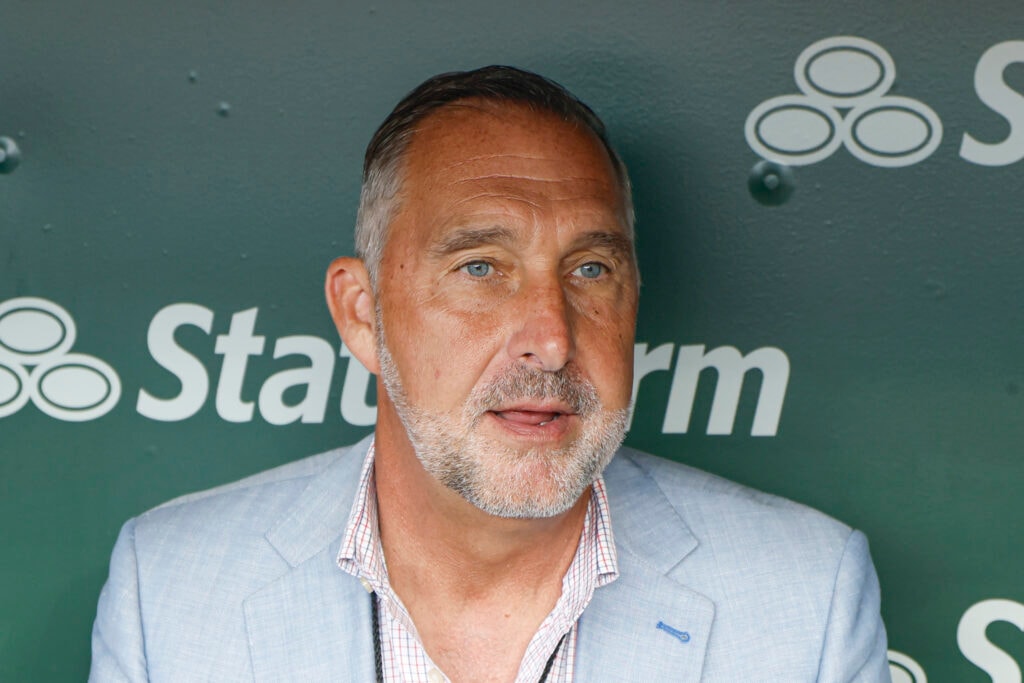
Mozeliak’s role, according to the same report, is not being presented with a conventional title change at this moment. He is listed internally as a “baseball operations consultant,” but the reporting characterizes him as functioning as the interim general manager. That matters at the trade deadline because roster moves are often inseparable from the decision-making structure, including who is empowered to value players, approve payroll shifts, and finalize negotiations under a compressed timeline.
In recent years, teams that look out of playoff contention typically shift into a maximization mode, emphasizing controllable talent, farm system replenishment, and targeted upgrades rather than short-term fixes. For the Angels, the front office transition suggests a renewed emphasis on whether Los Angeles will follow the standard path of waiting to see trade targets develop, or whether it will push earlier on deals to avoid late-deadline price spikes and to preserve the organization’s internal draft-and-development priorities.
The key question for the Angels is how quickly Mozeliak can establish a clear internal framework for evaluating the market. A new decision-maker, even one operating in an interim capacity, can accelerate choices by tightening communication between baseball operations and player development, especially when the team’s present timeline does not align with a playoff window. The report indicates Mozeliak will oversee at least the remainder of the 2026 season, which puts him at the center of not only the immediate deadline but also the broader strategy for offseason planning.
There is still a limitation to what can be concluded from a front office shakeup alone. Trade deadline outcomes are influenced by team-by-team demand, player readiness, and whether potential sellers can agree on compensation that fits each organization’s valuation. Still, when a club is described as being tied for the worst record and moving toward a tenth season-plus of losses, the practical incentive becomes stronger to treat the deadline as a reset point rather than a minor adjustment.
For fans and evaluators, the next step is to watch whether Los Angeles’s decision-making rhythm changes in the final weeks leading into the deadline. If the Angels pursue deals earlier than in previous years, or focus more heavily on acquiring longer-term pieces, it would align with the report’s depiction of the Minasian exit and Mozeliak’s operational takeover. Even without public details on specific conversations, the organizational shift itself indicates that July will likely carry more than routine roster tinkering for a franchise that is trying to end a long losing cycle.
Why It Matters
- A change at general manager level can directly affect how aggressively a team positions itself around the trade deadline, especially for a club expected to remain out of playoff contention.
- With a long losing streak likely continuing, the Angels’ deadline approach becomes a key indicator of whether the organization prioritizes farm-system replenishment and longer-term roster construction.
- If Mozeliak is effectively running operations, his player-evaluation and negotiation style could shape what types of trades Los Angeles makes and what it targets most heavily.
- For the rest of 2026, the interim structure raises questions about continuity, including how quickly new processes and priorities are put in place.
Key Facts
- The Angels fired general manager Perry Minasian in late June, according to MLB Trade Rumors.
- John Mozeliak, previously a longtime Cardinals front office executive, was brought in as a “baseball operations consultant” described as an interim general manager.
- MLB Trade Rumors characterizes the Angels as tied for the worst record in baseball.
- The outlet projects Los Angeles is headed for its 11th consecutive losing season.
- The report links the dismissal timing to earlier discussion that 2026 was the last guaranteed year on Minasian’s contract.
- Mozeliak is described as overseeing at least the remainder of the 2026 season.