
THE APEX TIMES
Arizona State’s offensive playmakers put Texas Tech’s defense on notice ahead of Big 12 matchup
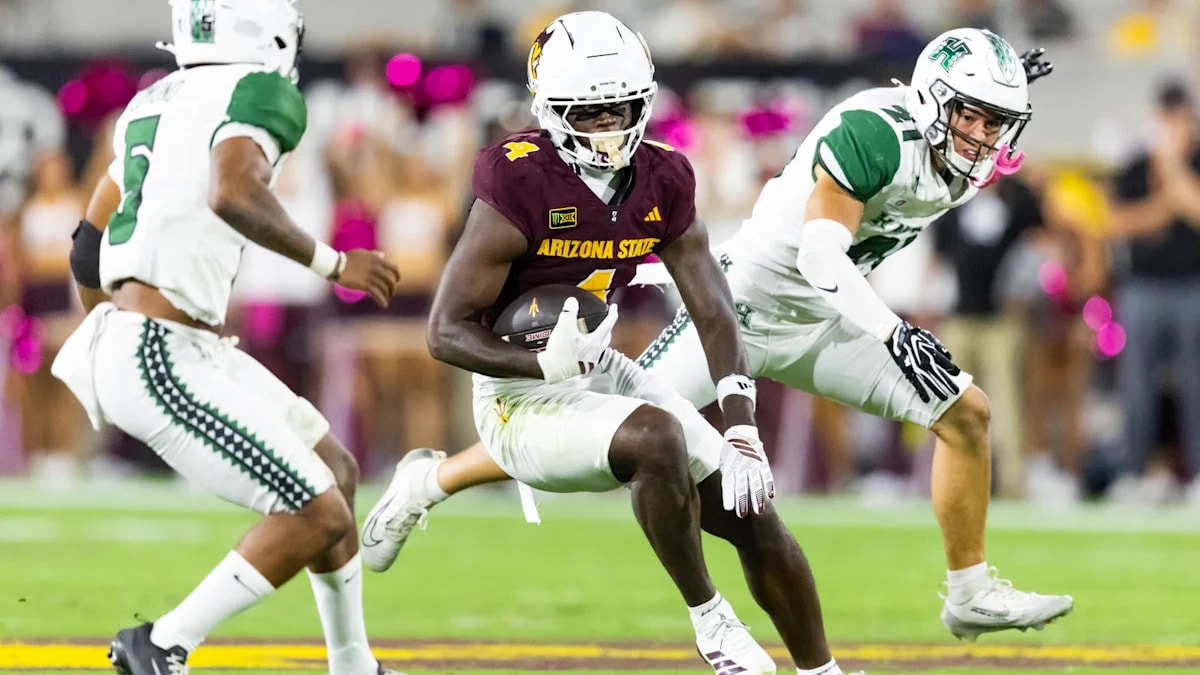
Cutter Boley, Omarion Miller and Kyson Brown are drawing attention in the Red Raiders’ preparation, with Arizona State’s ability to move the ball through multiple threats creating complications for what Texas Tech wants to do defensively.
Texas Tech travels to face Arizona State on Saturday in a Big 12 matchup, and a Yahoo Sports preview framed the game around a specific problem for the Red Raiders’ defense: slowing an Arizona State offense powered by three highly regarded playmakers. The central theme is not a single matchup, but the way the Sun Devils can generate stress across the field, forcing defensive plans to adjust play to play.
According to the preview, Arizona State’s challenge comes through three names, Cutter Boley, Omarion Miller and Kyson Brown, each identified as a distinct threat. For a defense preparing its weekly structure, that kind of “dangerous trio” matters because it compresses a team’s margin for error. If one player is removed, the offense’s next priority becomes the next defender you have to account for, rather than settling into one primary plan for an entire series.
For Texas Tech, the tactical implication is straightforward: the Red Raiders must defend the run and the passing game in a way that does not sacrifice one area to cover another. When an opponent’s attack can be fed through multiple outlets, it can alter how aggressively a defense pressures, how it distributes responsibilities in coverage, and how it decides whether to take away a primary route concept or instead try to limit yards after the catch and keep receivers from getting into space.
Yahoo’s preview also tied the storyline to Texas Tech’s emotional motivation, describing the program as having “revenge on its mind.” While the specific reason for that framing was not detailed in the available material, it adds another layer to the defensive focus. In rivalry-feel games and payback situations, teams often aim to play with urgency, which can be helpful for tempo and mindset, but can also increase the risk of undisciplined assignments if players are overcommitted to a single read.
The safer way to view Saturday’s defensive challenge is as a problem of sequencing. Arizona State’s three-pronged look, as described in the preview, suggests the Sun Devils can change what Texas Tech must defend within the same offensive identity. That can show up as the Red Raiders needing to handle different ball carriers and different receiver roles, while also maintaining gap integrity and staying out of positions that invite explosive plays.
Going into kickoff, Texas Tech will likely be judged by how well it handles those plan shifts. Can it keep drives from turning into extended possessions fueled by the trio’s impact, or does Arizona State force Texas Tech to keep reshaping coverage and run fits until the defense is playing on its heels? The answers to those questions should clarify whether the “dangerous trio” framing is just hype or a real indicator of how the matchup tilts.
For viewers, the key watch item is whether Texas Tech’s defense can consistently locate the next most dangerous option after the first big play. In games featuring multiple threat profiles, the first explosive moment often comes from one player, but the long-term damage is frequently done by whichever offensive route, run lane, or catch point the defense leaves open after reacting to the first.
If Arizona State’s offense is able to distribute its production among Boley, Miller and Brown as previewed, Texas Tech’s defensive staff may need to show quick adjustments during the game, rather than relying on a single weekly script. For the Red Raiders, that means staying disciplined early, reducing self-inflicted mistakes, and sustaining containment long enough to limit third-down efficiency and reduce big-play opportunities.
Why It Matters
- Big 12 matchups often swing on which unit can impose its plan, and this one is framed around whether Texas Tech’s defense can contain multiple Arizona State threats.
- When an opponent presents three focal offensive players, it increases the difficulty of maintaining coverage and run-fit discipline across entire drives.
- How Texas Tech responds to mid-drive changes can indicate the game plan’s effectiveness and the defense’s adaptability.
- The “revenge” storyline can raise intensity, but it also increases the risk of overreaction, which defenders can’t afford against a multi-threat offense.
Key Facts
- Texas Tech plays Arizona State in a Big 12 game on Saturday, with preparation focused heavily on Arizona State’s offensive threats.
- Yahoo Sports highlighted three Arizona State playmakers as key challenges for the Red Raiders’ defense: Cutter Boley, Omarion Miller and Kyson Brown.
- The preview characterizes the matchup as potentially complicated for Texas Tech because the Sun Devils can generate danger through multiple threats.
- The preview also frames Texas Tech as having revenge motivation entering the game, though the specific prior context was not included in the available material.
- The central concern for Texas Tech is defending an Arizona State offense that can force defensive adjustments repeatedly rather than settling into one primary problem.