
THE APEX TIMES
Army’s triple option puts Tulane’s defensive staff to the test as American Conference play begins
The Green Wave, already familiar with option looks in practice, open conference action against a program built to run the ball and make defenders read at full speed.
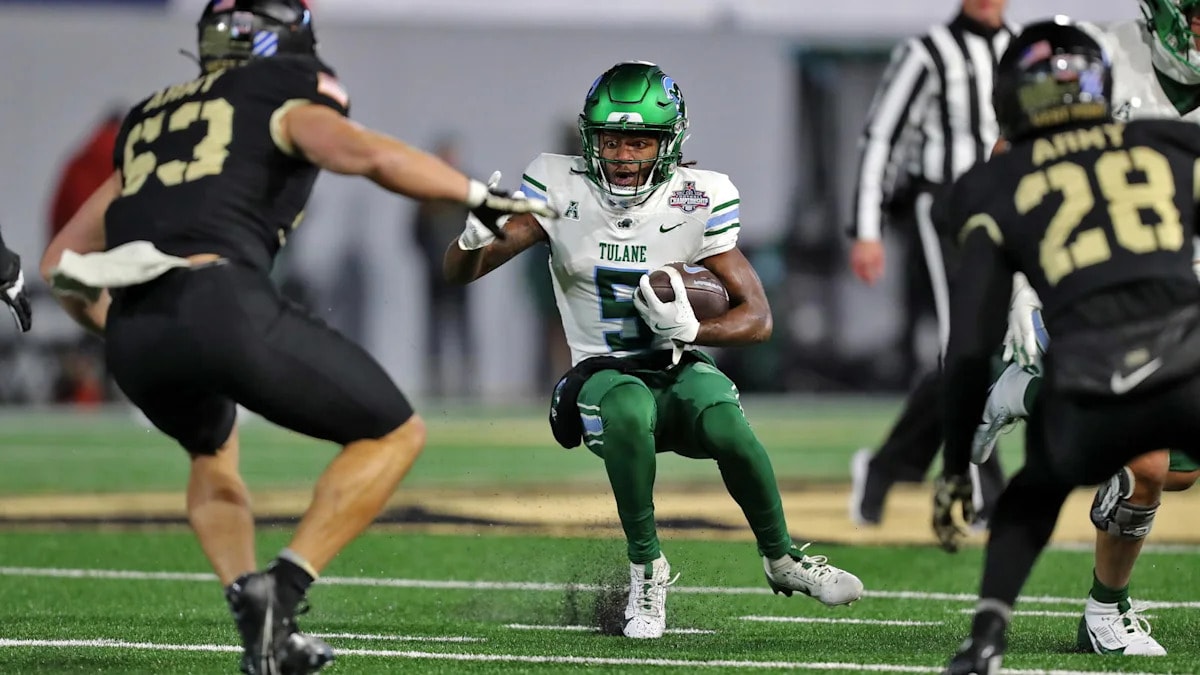
Tulane’s American Conference opener against Army arrives with a clear matchup issue: defending a triple-option offense. Ahead of the Saturday kickoff, Yahoo Sports framed it as a “nothing new” problem for Tulane’s defensive staff because their unit has experience handling the option. Even so, the article suggests the Black Knights represent Tulane’s toughest version of the assignment yet, given how central the triple option is to Army’s identity.
The triple option is difficult to defend not because defenders lack effort, but because the play is designed to create indecision. When an offense runs triple-option concepts, responsibilities can shift quickly as the ball carrier and the decision players react to how linebackers and ends set the edge. The defense has to keep contain while also being disciplined in its angles, because a single missed read can pull multiple defenders out of position at once.
For defensive coordinators, the challenge extends beyond “stopping the run” in the traditional sense. A triple-option offense asks for repeated, precise execution: correct assignment on the first phase, fast pursuit after the pitch or dive decision, and coverage discipline behind the run action to prevent the offense from turning broken plays into explosive gains. That means preparation is often built around film review, repeated walkthroughs of reads, and situational reps that mirror game tempo.
In Tulane’s case, the Yahoo Sports preview emphasizes that their staff is already accustomed to this type of scheme, implying a baseline of familiarity in how the coaching staff teaches option football and how players communicate their responsibilities. Still, the article also flags Army as potentially the biggest challenge yet for the Green Wave as they begin American play. That distinction matters because option offenses can look “similar” in formation while differing in how quickly they present the decision, how the mesh point is coached, and how they choose between dive, keep, and pitch based on defensive leverage.
The matchup also carries an outsized impact on what the first month of conference play tends to demand. When a team can dictate the clock and reduce the number of offensive snaps the opponent gets, it changes the rhythm of the game, not just the final yardage totals. For a defense, that can translate into longer drives for the offense and fewer chances to correct errors quickly, which raises the stakes of early-game assignment soundness.
Tulane will likely be judged on the fundamentals that option defenses live and die by: edge discipline, gap integrity, and tackling in space after the offense makes its decision. If the Green Wave can limit the offense’s ability to convert reads into chunk plays, they will have an opening to shift momentum. If not, the triple option’s structure can make it difficult for opponents to sustain long possessions while the defense is being forced to re-learn reads play after play. With American Conference play underway, this game functions as a practical measuring stick for how well Tulane can execute its option principles against a team built for them.
As the week moves forward, the key question will be how consistently Tulane handles the decision-making layer of Army’s attack, not just how aggressively it attacks downhill. For viewers and analysts, the simplest way to track it will be to watch for whether defensive players keep their assignments at the moment of the mesh and whether they can recover quickly when the offense creates a second-order angle. If Tulane’s preparation translates into fewer blown reads, the Green Wave can turn familiarity into a real advantage; if it doesn’t, Army’s offense will likely control the pace and force Tulane to defend longer drives for the duration of the game.
Why It Matters
- Defending the triple option tests a defense’s assignment discipline more than pure athleticism, and the payoff is often reflected in whether the defense consistently wins the first read.
- An early conference matchup against a run-heavy offense can shape game tempo and affect how much offensive time the opponent receives.
- How Tulane performs in this matchup can set the baseline for defensive confidence as the Green Wave move through additional American Conference opponents.
Key Facts
- Tulane is set to begin American Conference play against Army on Saturday.
- Yahoo Sports described Tulane’s defensive staff as having experience handling the triple option.
- The triple option is characterized as a major challenge to defend due to how it forces reads and fast decisions.
- The Yahoo Sports preview frames Army as potentially Tulane’s biggest option challenge yet as conference play starts.