
THE APEX TIMES
Arraez closes gap as MLB posts first 2026 All-Star ballot update
Shohei Ohtani and Yordan Alvarez lead their leagues in the initial fan-voting count, with Luis Arraez pressing in the National League as the two-phase process moves toward the starting lineup announcements.
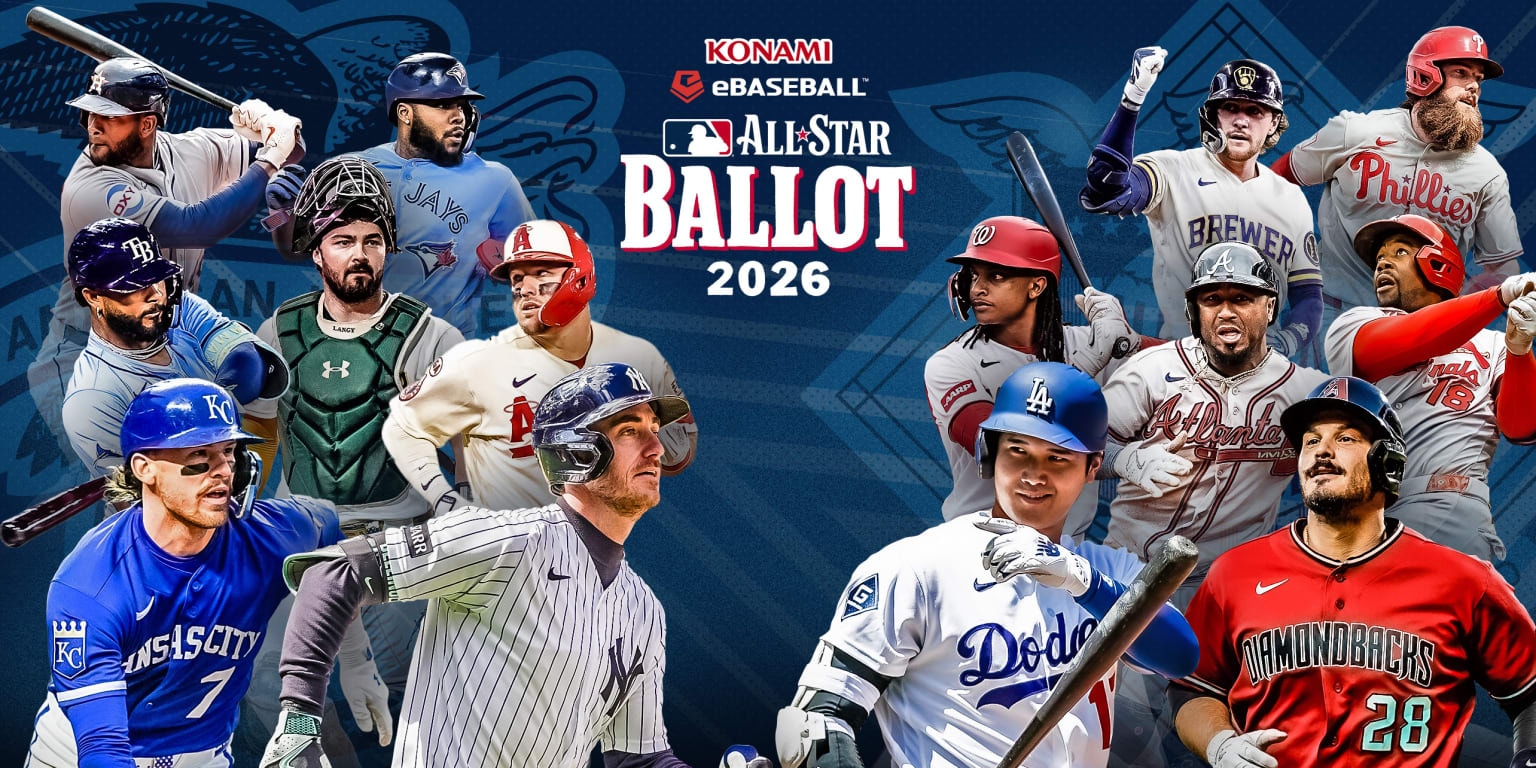
Major League Baseball has released its first public update of balloting for the 2026 All-Star Game, and the early picture in the National League is tighter than the top line suggests. In the opening count, Dodgers star Shohei Ohtani holds the lead for National League All-Star starters, while Astros slugger Yordan Alvarez is the leader for American League starters. The noteworthy development is Luis Arraez, whose position in the vote totals is close enough to be described by MLB as “within striking distance,” setting up a potential late charge in the NL.
MLB’s ballot format for 2026 uses a two-phase fan voting system to determine the starting lineups. The first phase is the initial fan vote that produces a shortlist of players at each position based on vote totals. The second phase then narrows the field further, with fans voting again among the leading players at each spot. The effect is straightforward: early leaders matter, but the starting lineup can shift when the second vote reshapes the pool.
In MLB’s initial update, Ohtani’s National League standing reflects the continuing weight fans place on marquee two-way impact. For the American League, Alvarez’s lead indicates that the fan base continues to reward elite power profiles and the game’s most prominent offensive presence. MLB’s update frames both leaders as the players to beat at their respective positions in the “starter” track of the ballot.
Arraez’s proximity to the top NL totals adds a different kind of storyline. Unlike a traditional power-centric narrative, Arraez is often evaluated through contact, on-base value, and the ability to pressure pitchers consistently. MLB’s characterization that he is close to the leader suggests that fans are not only aware of his season profile, but also willing to invest votes in a scenario where the second phase could tighten the ordering at his position.
While the early leaders draw attention, the key point for readers is how fluid the ballot can be. Because the process includes two separate fan-voting windows, a player’s first-round standing is not the same as a guaranteed spot in the starting lineup. The field can compress quickly, and the final starter decisions are made after the second-phase vote, not merely from this opening tally.
For teams, the ballot update functions as both recognition and a barometer of how fans are engaging with the All-Star race in real time. A starter selection in the midsummer classic is a prominent stage for player branding and team visibility, especially for clubs that may be fighting for attention leaguewide during the summer. With Ohtani and Alvarez currently atop their leagues, the Dodgers and Astros have strong momentum in the starter conversation.
As the balloting continues, the most important thing to watch is whether Arraez can convert “within striking distance” into a first-place finish heading into the second-phase narrowing. If he gains ground as fans move from the initial vote toward the follow-up round, the National League starting lineup could look materially different than it does at this early checkpoint. MLB will release additional ballot updates as the election cycle progresses, and those updates should clarify how much separation exists at each position.
For now, the story is clear but incomplete: Ohtani and Alvarez lead in the opening count, Arraez is close enough to matter, and the two-phase structure ensures the final starters remain contestable. The second vote will be the deciding vote for whether the early hierarchy holds steady or whether the reshuffling at each position produces a different set of faces in the starting lineups. That is the swing point in this All-Star ballot cycle, and the gap is small enough to keep the outcome interesting.
Why It Matters
- The All-Star starter ballot has a direct impact on which players are shown as the league’s faces in the summer showcase.
- Because voting runs in two phases, the National League race can change meaningfully even after early leaders establish a first-round lead.
- Arraez’s close position increases the odds of a competitive final decision at his spot, keeping the NL starting lineup picture unsettled.
- For the Dodgers and Astros, leading their leagues in early voting adds momentum and visibility as the fan-driven process continues.
Key Facts
- MLB released the first 2026 All-Star ballot update based on the initial fan-voting count.
- Shohei Ohtani is leading the National League vote-getters for All-Star starters in the early update.
- Yordan Alvarez is leading the American League vote-getters for All-Star starters in the early update.
- Luis Arraez is described by MLB as being within striking distance of the top National League vote totals.
- MLB’s 2026 All-Star ballot process uses two phases of fan voting to determine starters.
- The second phase narrows the vote field again after the initial round, meaning early leads are not automatic starter guarantees.