
THE APEX TIMES
As he nears a one-year mark since his cancer diagnosis, Broncos inside linebacker Alex Singleton explains how his message became part of his football mission
Singleton describes how a diagnosis that began with an unexpected drug-test result has shaped the way he shows up for teammates, cancer survivors, and the Fight Like A Bronco community.
Inside linebacker Alex Singleton is nearing the one-year anniversary of his unexpected cancer diagnosis, and he says the closer date gets, the more his focus shifts from surviving to sharing. Singleton, who was on the field for an NFL Crucial Catch halftime rehearsal during the Broncos’ Week 5 win over the Chargers at SoFi Stadium, described how seeing cancer survivors participate “hits you in waves,” bringing the past back in moments.
The diagnosis arrived after Singleton learned on Wednesday, Oct. 29, 2025 that he had failed an NFL drug test with elevated levels of hCG. Singleton told he knew he had not taken any banned substances, and he initially expected a suspension to follow, describing that period as a time when he felt his livelihood was about to end.
A key turning point came when Singleton’s wife urged him to schedule a urology appointment. Singleton said a doctor informed them there was a 95 percent chance he had testicular cancer, and after an ultrasound and meetings with Broncos leadership, he began moving through the medical next steps while still trying to understand what it would mean for his playing future.
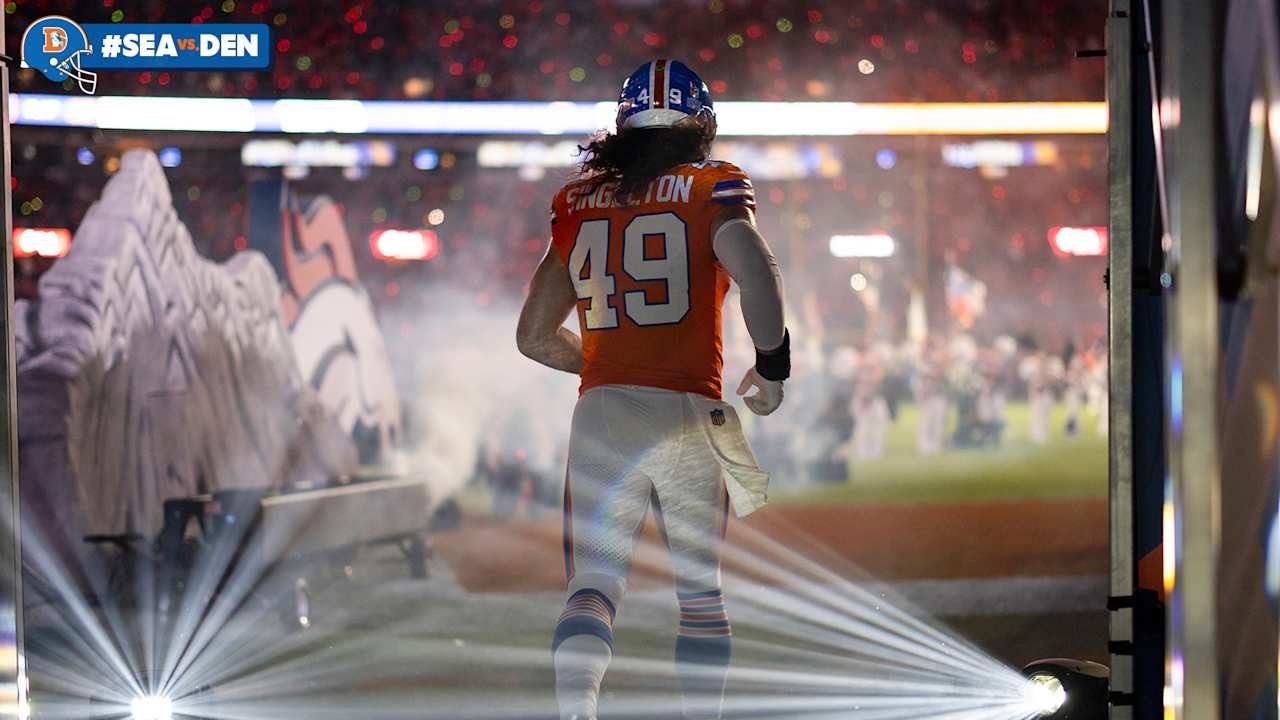
Singleton said he requested the opportunity to play on “Thursday Night Football” against the Las Vegas Raiders as a way to go out “on his terms,” if it turned out to be his final game. By kickoff at Empower Field at Mile High on Nov. 6, he described having more clarity after a pre-surgery CT scan showed the cancer had not spread, and he played all 60 defensive snaps and added nine tackles in a one-score win.
After successful surgery the next day, Singleton faced another test with the season’s schedule, including the Chiefs game that he said was the only one he was forced to miss. He later chose to tell his teammates what he was dealing with in a team meeting, and he credited the response from players and staff as a moment when football “didn’t really matter anymore,” even as he continued to push toward normalcy.
Singleton’s current emphasis, as the anniversary approaches, is on encouraging others to take action. He said the point of sharing his story is simple, that if his experience helps one person get to a doctor earlier and that leads to a life saved, then it “means everything,” even as he acknowledged it is still not always easy to say the words “I had cancer.”
Why It Matters
- Singleton’s story ties a major league cancer awareness initiative (Crucial Catch) directly to a team-building moment during the season.
- The timeline described by Singleton underscores how quickly athlete routines can shift when medical questions emerge from an unexpected test result.
- His decision to share with teammates reflects how personal health disclosures can influence locker-room trust and leadership.
- The Fight Like A Bronco context positions the Broncos’ messaging around cancer support alongside week-to-week competition rather than treating it as separate.
Sources
Key Facts
- Broncos inside linebacker Alex Singleton is approaching the one-year anniversary of a testicular cancer diagnosis.
- Singleton said he learned on Oct. 29, 2025 that he failed an NFL drug test with elevated hCG, despite believing he took no banned substances.
- Singleton’s doctor told him there was a 95 percent chance he had testicular cancer, and Singleton later underwent an ultrasound and consulted Broncos leadership about next steps.
- Singleton requested to play on Thursday Night Football against the Las Vegas Raiders and said he played all 60 defensive snaps on Nov. 6, adding nine tackles.
- He said surgery followed Nov. 6, and he later stated the Kansas City Chiefs game was the lone game he was forced to miss.
- Singleton described participating in the Broncos’ Fight Like A Bronco events and connecting his mission to encouraging early medical attention for others.