
THE APEX TIMES
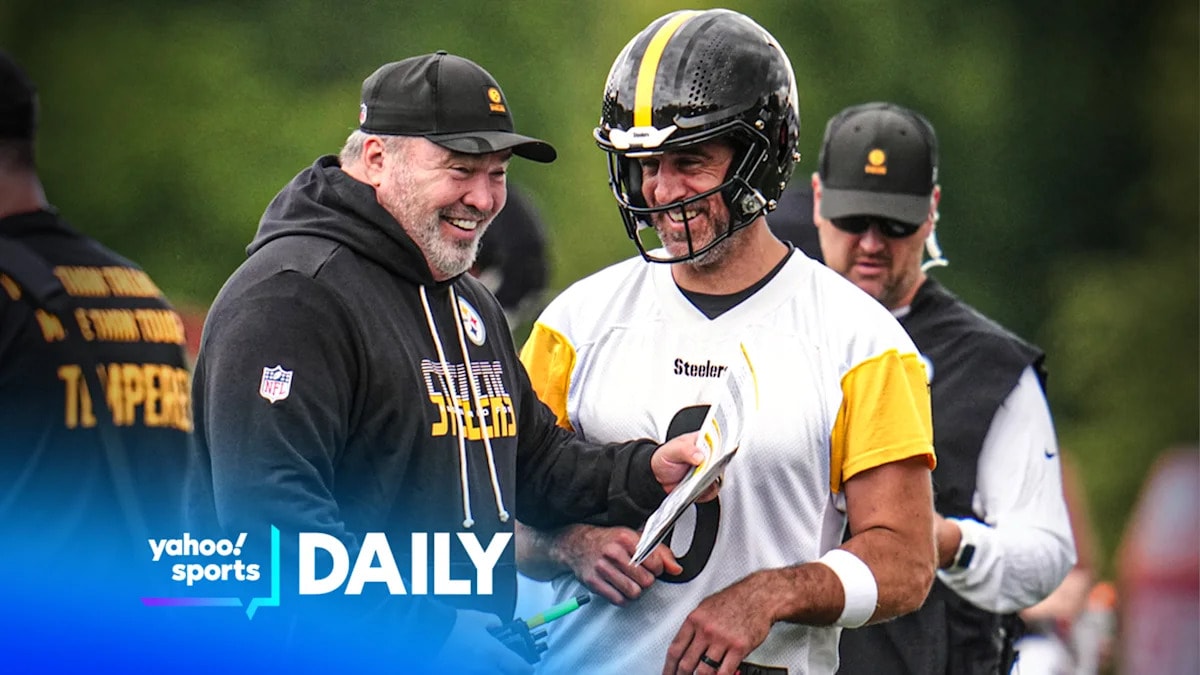
Assessing a Steelers 53-man roster scenario: Can Pittsburgh carry four quarterbacks in Week 1?
A new look at roster construction examines the rare-but-plausible case of the Pittsburgh Steelers keeping four quarterbacks on the opening 53-man roster, weighing the upside and the limits that make the decision unusual.
The Pittsburgh Steelers are at the center of a roster-building thought experiment: a scenario where the team keeps four quarterbacks on its opening 53-man roster. The premise matters because quarterback rooms are built to balance readiness and depth against the reality of 53-man football, where every active roster spot has to earn its place in real time.
The question, as framed in the Steelers-focused discussion, is not whether Pittsburgh has options, but whether the team can justify carrying an extra developmental arm while still meeting the needs that show up every week, especially on game-day actives. In typical NFL practice, teams often keep three quarterbacks because the third usually serves as the backup plan if injuries or performance issues emerge, and the fourth can be more valuable on a practice-squad or offseason track.
The potential case for four on the roster is straightforward in theory. More quarterbacks can mean more continuity during training camp, more favorable matchups for passing-game preparation, and insurance against the kind of volatility that can emerge during preseason snaps. It can also reduce the chances of rushing a raw or less experienced option into meaningful work early in the season.
The counterweight is roster economics. Carrying four quarterbacks is almost always a trade, not a free addition. If a team adds a fourth passer, it has to remove someone else who might be more directly tied to immediate game situations, such as an additional receiver, cornerback, or front-seven depth piece. That is why the central “pros and cons” framing in the discussion keeps returning to a single theme: if a team can’t clearly connect that extra quarterback to a near-term football need, the roster looks inefficient on paper.
Another wrinkle in the decision is how quickly teams need to create separation among the top two and the primary backup. The Steelers scenario described in the discussion points to how NFL teams prefer clarity. When the pecking order is settled and a backup is clearly defined, the marginal value of keeping a fourth quarterback rises or falls based on whether that fourth has a role beyond “being available,” such as readiness, skill fit, and practice-day usefulness.
What to watch next is less about whether Pittsburgh will “want” four quarterbacks and more about the downstream indicates the team uses to communicate priorities. Those indicates include how the quarterback group is managed late in camp, whether the coaching staff emphasizes a specific developmental track, and whether the overall roster composition suggests the team is protecting more than one quarterback path.
Because this is rooted in a roster scenario and not an official team announcement, the practical takeaway is cautious: a four-quarterback opening roster is possible in the abstract, but it will hinge on how Pittsburgh’s depth chart and positional needs shake out close to the regular-season cutoff. For fans, the most informative moment will be the final composition of the active quarterback room once the Steelers lock in their Week 1 plan.
Why It Matters
- Quarterback carrying capacity affects the entire roster, because active spots are limited and every addition has to displace something else.
- If a team carries four quarterbacks, it can change how quickly the third quarterback becomes a true part of weekly game planning.
- The decision can reveal how aggressively the Steelers prioritize depth insurance versus immediate positional needs across the roster.
- It also shapes the development timeline for the fourth option, since availability on the 53 can influence preparation and confidence.
Sources
Key Facts
- The discussion centers on whether the Pittsburgh Steelers could keep four quarterbacks on their opening 53-man roster.
- The piece evaluates the idea as a roster-construction scenario with pros and cons.
- The scenario is framed as a question of likelihood, not as an announced Steelers plan.
- A central theme is the tradeoff between quarterback depth and using roster spots at other positions.
- The analysis highlights that how the quarterback pecking order forms late in camp is a key factor.