
THE APEX TIMES
Astros’ abbreviated starts add up, leaving bullpen carrying the load in August
Houston is navigating a tight stretch with limited margin for error after starting-pitching outings that have shortened the time on the mound and increased late-inning demands on the relief corps.
The Astros’ August has been shaped by something that rarely shows up in a box score until it becomes a pattern, abbreviated starting pitching that has pushed more innings onto a bullpen already operating at a higher workload. In New York, that strain surfaced again as Houston’s pitching bridge had to cover more ground than the club typically wants during a critical stretch.
The immediate context matters: Houston is two games into a 13-game run described as crucial and scheduled with no day off during the span. When starters do not reach the middle innings consistently, relievers must pitch more often, and the cumulative effect can show up quickly, particularly in late innings where managers are more willing to use their best arms but also more likely to extend them beyond their ideal usage window.
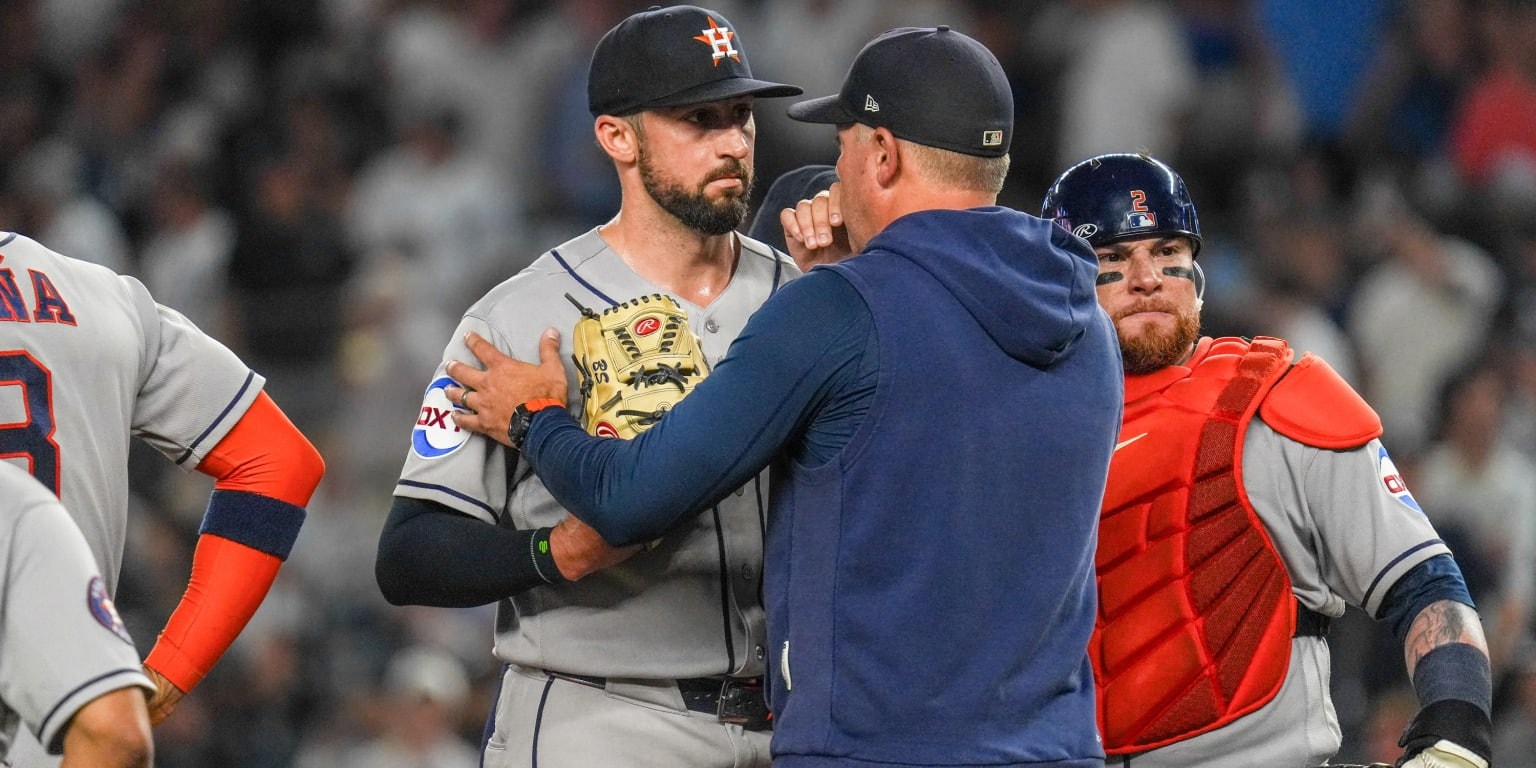
The game that framed the issue came against the Yankees, where the Astros received starter Peter Lambert for 5 2/3 innings in Houston’s loss, according to the MLB game report referenced by the team’s coverage. Lambert’s length was respectable in isolation, but the larger problem is the broader workload that comes from how often starters have left the bullpen with higher-than-usual leverage and fewer batter resets.
As August progresses, that “starting pitching problem” can ripple across the pitching staff in several ways. More relief appearances tend to increase pitch counts and shorten recovery time, which can influence effectiveness in subsequent outings even when a reliever does not immediately show a dramatic drop. It also forces harder decisions in high-leverage situations because deeper options are more likely to be reserved for back-to-back days or for one-run moments that decide outcomes.
For the Astros, the key point is timing. A bullpen can survive one or two short starts because of bullpen depth, but endurance becomes the real test over multi-week stretches, especially when the schedule provides no reset day. The club is essentially asking its late-inning group to function as an extension of the rotation during a period when every game has added weight in the standings picture.
Looking ahead, the most important thing to watch is whether Houston’s starters are able to add length and reduce the number of relief innings required per game. Even modest improvements, such as consistently reaching the sixth inning or working with fewer mid-inning reliever changes, can lighten the bullpen’s burden. If the pattern continues, manager matchups in September will likely be constrained by how much fatigue has been built into August usage.
In a month defined by frequency, the Astros’ path runs through their starting rotation’s ability to protect their bullpen. The club does not need perfection, but it does need innings in bulk at a time when the calendar is removing the luxury of rest.
Why It Matters
- Bullpen fatigue can quietly lower effectiveness during a run of high-leverage games, even when immediate results vary.
- Without a day off, Houston has less opportunity to reset usage patterns, making bullpen management a bigger strategic constraint.
- If starters cannot reclaim earlier innings, Houston may be forced into more frequent reliever pitching and sharper tradeoffs in late innings.
- The remainder of August and the approach to September are more challenging when bullpen workload builds before the schedule provides rest.
Key Facts
- Houston’s August bullpen workload has risen as starting outings have shortened, creating a ripple effect late in games.
- The Astros are two games into a described 13-game, crucial stretch with no day off.
- In Houston’s loss to the Yankees, starter Peter Lambert pitched 5 2/3 innings, as described in the MLB game report coverage.
- The central theme is that abbreviated starts increase late-inning demands and can contribute to wear and tear over repeated high-usage outings.