
THE APEX TIMES
Auburn offensive coordinator Joel Gordon challenges Byrum Brown to improve decision-making for Georgia trip
With Auburn preparing for its Week 7 matchup against Georgia, offensive coordinator Joel Gordon emphasized the need for quarterback Byrum Brown to make cleaner choices and play with more consistency under pressure.
Auburn’s offense is being built around a simple message as the Tigers move toward their Week 7 game against Georgia: quarterback decisions have to be sharper. In a preview of what Auburn is stressing offensively, offensive coordinator Joel Gordon highlighted the importance of Byrum Brown showing his best decision-making, framing the quarterback’s choices as central to Auburn’s ability to move the ball and avoid unnecessary setbacks versus a top-tier SEC opponent.
The focus is not only on execution at the snap, but on what Brown does after the play starts. Gordon’s request, as reported by Saturday Down South, points to the margin Auburn will need in a matchup where defensive pressure, disguised looks, and third-down efficiency can quickly swing momentum. For Auburn, the quarterback is often the final connector between scheme and outcomes, particularly when protection breaks down or when the offense is forced to improvise.
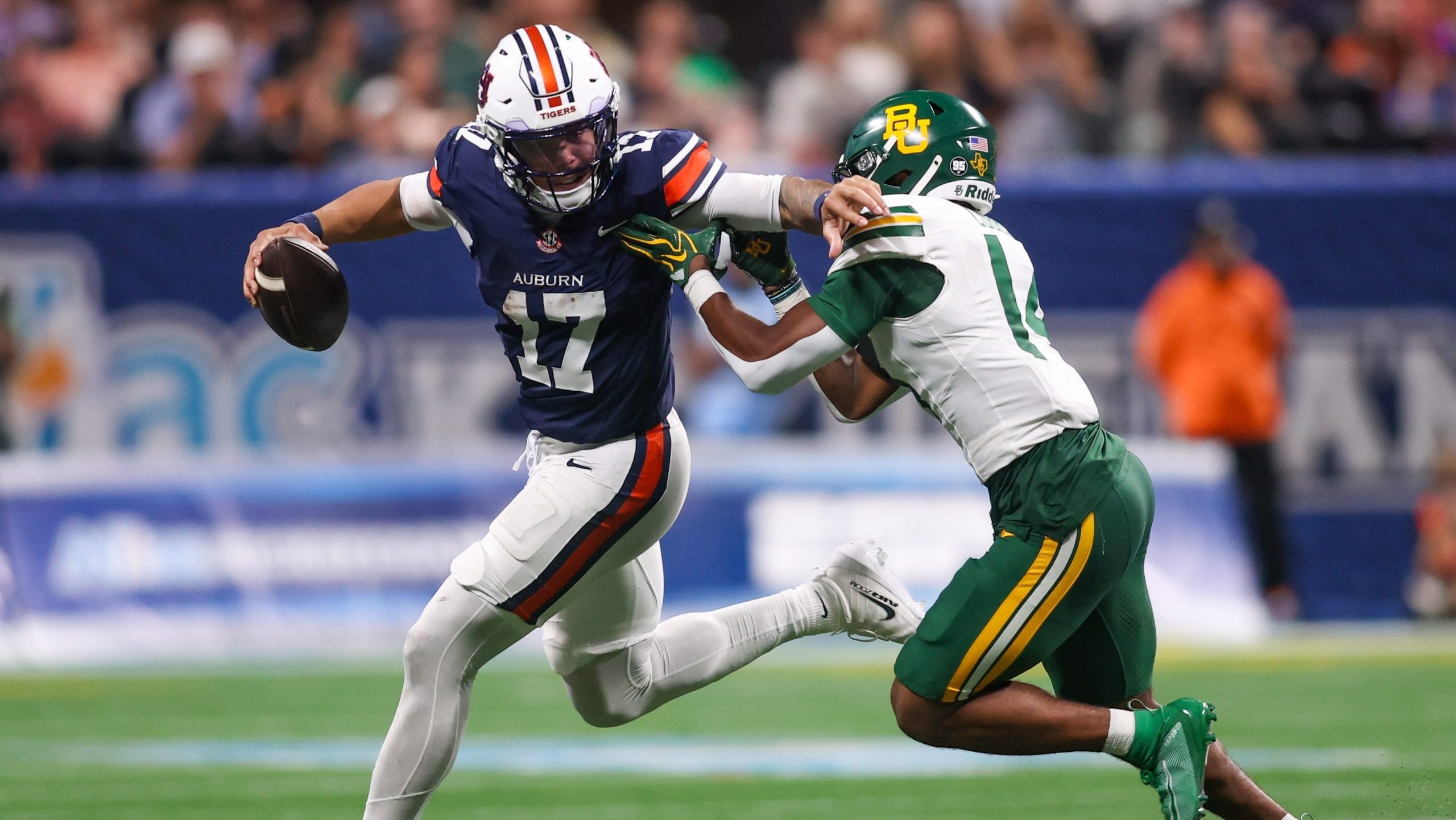
Georgia’s defense has a reputation across recent seasons for creating pressure and forcing quarterbacks to get rid of the ball on schedule, but the more actionable takeaway for Auburn is how often decisions determine whether a scramble becomes a lifeline or a stalled drive. Gordon’s emphasis on decision-making suggests Auburn is coaching for high-percentage throws, better recognition of coverage, and calmer ball security in situations where a half-step error can become an interception or a missed opportunity.
For Brown, the request lands at a key moment in the SEC schedule. Week 7 is typically when teams begin separating themselves into distinct tiers of competitiveness, and Auburn will need its passing game to function not just early, but late in drives. If Auburn can sustain drives with more efficient play at the quarterback position, it can control tempo and keep Georgia’s front and secondary from dictating every possession.
The timing also matters because an SEC rivalry game tends to magnify small mistakes. Even when the offense is schemed correctly, the quarterback’s job is to adjust to movement, down-and-distance, and leverage. By specifically calling out decision-making, Auburn is indicating that the next stage of improvement is less about effort and more about process: reading coverage quickly, throwing with intent, and limiting plays that end the drive prematurely.
What to watch next for Auburn is whether the coaching emphasis shows up in the flow of games, especially on third downs and in red-zone opportunities. If Brown’s decisions lead to fewer stalled possessions and more sustained drives, Auburn’s offense will have a clearer path to competing in a game that rewards both execution and restraint. If Auburn struggles, turnovers and forced throws would likely be the first area that fans point to as a repeat obstacle in the matchup.
For Georgia, the counter is to keep applying pressure and disrupt timing, forcing Brown into quick decisions under stress. Auburn’s response, at least per Gordon’s emphasis, is to keep the quarterback playing disciplined football, where the best play is not always the most dramatic one, but the one that advances the offense and protects the ball.
Why It Matters
- In an SEC game against Georgia, quarterback decisions can determine whether Auburn sustains drives or loses possessions quickly.
- Clearer decision-making typically reduces turnover risk, which matters when facing pressure and complex defensive looks.
- Week 7 is a separation point in the conference schedule, making offensive consistency a key competitive variable.
Sources
Key Facts
- Auburn offensive coordinator Joel Gordon called for improved decision-making from quarterback Byrum Brown ahead of Auburn’s Week 7 game vs. Georgia.
- The emphasis is on Brown showing his best in the matchup against Georgia.
- The story framing centers on how the quarterback’s choices can affect Auburn’s chance to compete.