
THE APEX TIMES
Austin Wells, Pete Crow-Armstrong and Max Scherzer headline MLB opener roundup
A nine-run eighth inning fueled a 16-run outburst for the Yankees against the Red Sox, while Crow-Armstrong’s weekend surge and Scherzer’s strikeout climb added to the day’s momentum storylines.
The day’s most eye-catching offensive moment came from the Yankees’ lineup at a time when baseball games can turn on a single inning. In a lopsided showing against the Red Sox, New York scored 16 runs, with catcher Austin Wells taking center stage during a nine-run eighth inning that included two home runs. According to the Elias Sports Bureau and research cited in the roundup, Wells became the first player to come off the bench and hit two homers in the same inning, a rare feat that underscores how quickly a game can swing when a batter gets the right pitch in the right moment.
Wells’ two-homer output did more than pad the highlight reel. A nine-run frame of that size changes how the rest of the game is managed, affecting pitching decisions and bullpen usage for the remainder of the contest. It also magnifies how valuable offense from deeper in the batting order can be, particularly in games where the opening stretches do not necessarily point to a blowout. In that context, Wells’ impact as a substitute hitter carried unusual statistical weight.
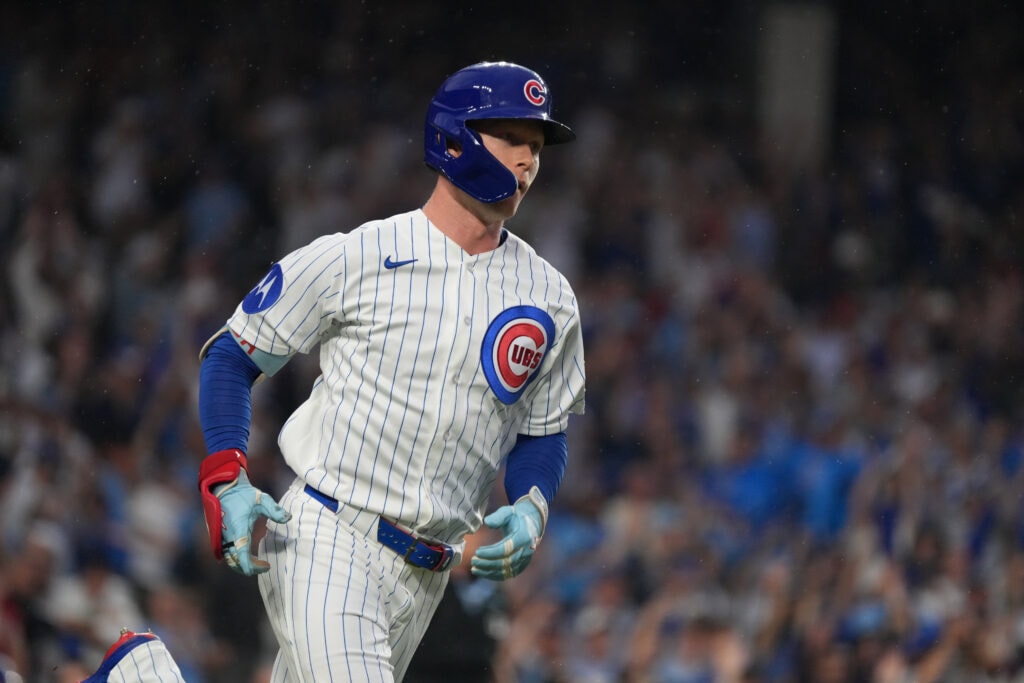
The Yankees’ wider weekend narrative also included center-field prospect Pete Crow-Armstrong, who the roundup described as having a “massive weekend.” While the item does not provide specific batting lines or defensive details in the available preview, it places Crow-Armstrong’s performance into a broader theme that tends to matter late in the regular season, when teams look for consistency from both established players and those pushing for longer looks.
On the pitching side, Max Scherzer’s name surfaced in the same roundup for another type of competitive storyline: his movement up the strikeout list. The item ties Scherzer’s recent work to a larger season-long accumulation of strikeouts, a category that often frames how teams evaluate veteran starters and how postseason-contending clubs manage innings as the calendar progresses.
The roundup also mentions the Rays, placing them among the teams driving conversation that day. However, the available text does not detail the specific Rays item beyond listing them alongside the most developed Yankees and Red Sox moments. With that limitation, the safest takeaway is that the Rays were part of the broader slate of late-season storylines that MLB observers were tracking during the day’s games, rather than that a specific Rays transaction or result needs to be considered as confirmed here.
For readers trying to understand what to watch next, the Wells anomaly is the immediate benchmark. A catcher coming off the bench and clearing two homers in one inning is an outlier event, and it tends to attract attention from fans and front offices because it reflects both situational preparedness and the ability to impact a game when it has already started to tilt. Meanwhile, Crow-Armstrong’s “massive weekend” suggests a follow-up question: whether that form can hold as pitchers adjust, and whether the club can turn that into repeatable production.
Finally, Scherzer’s strikeout climb offers a different kind of continuity question, one that measures how reliably he can add to a season total as workloads are balanced. Even without the granular numbers in the available preview, the underlying theme matters in late-season MLB, where every additional out and every incremental strikeout total can influence season narratives, clubhouse evaluation, and postseason positioning.
Because this roundup item is a news summary and the accessible portion of the content is limited, some specifics beyond the highlighted accomplishments are not confirmed in the text available here. Still, the key facts that are explicitly reported, especially Wells’ two-homer-in-one-inning achievement and the Yankees’ 16-run scoring burst built around a nine-run eighth, give the story its anchor. In the next reports, the context around Crow-Armstrong’s weekend and the full Rays component should become clearer if more detailed box-score or game recap information is reviewed.
Why It Matters
- A nine-run inning that includes two bench homers is a high-impact outlier that can reshape how a game, and a late-season pitching plan, unfolds.
- Bench impact matters in MLB because it affects lineup flexibility and how teams cover at-bats after early game scripts change.
- Crow-Armstrong’s weekend framing suggests a player-performance storyline teams often track closely as roster roles expand.
- Scherzer’s strikeout climb keeps attention on how veteran starters contribute to long-term season objectives.
- Late-season momentum is often built on repeatable bursts, and this roundup points to three different forms of momentum: unique power, developmental progression, and cumulative pitching production.
Key Facts
- The Yankees scored 16 runs against the Red Sox in one game highlighted in the roundup.
- Austin Wells homered twice during a nine-run eighth inning for New York.
- Wells is described as the first player to come off the bench and homer twice in the same inning, per Elias and research cited in the roundup.
- Pete Crow-Armstrong was described as having a “massive weekend” in the roundup.
- Max Scherzer was described as moving up the strikeout list in the roundup.
- The roundup also referenced the Rays, though no further details are included in the available preview.