
THE APEX TIMES
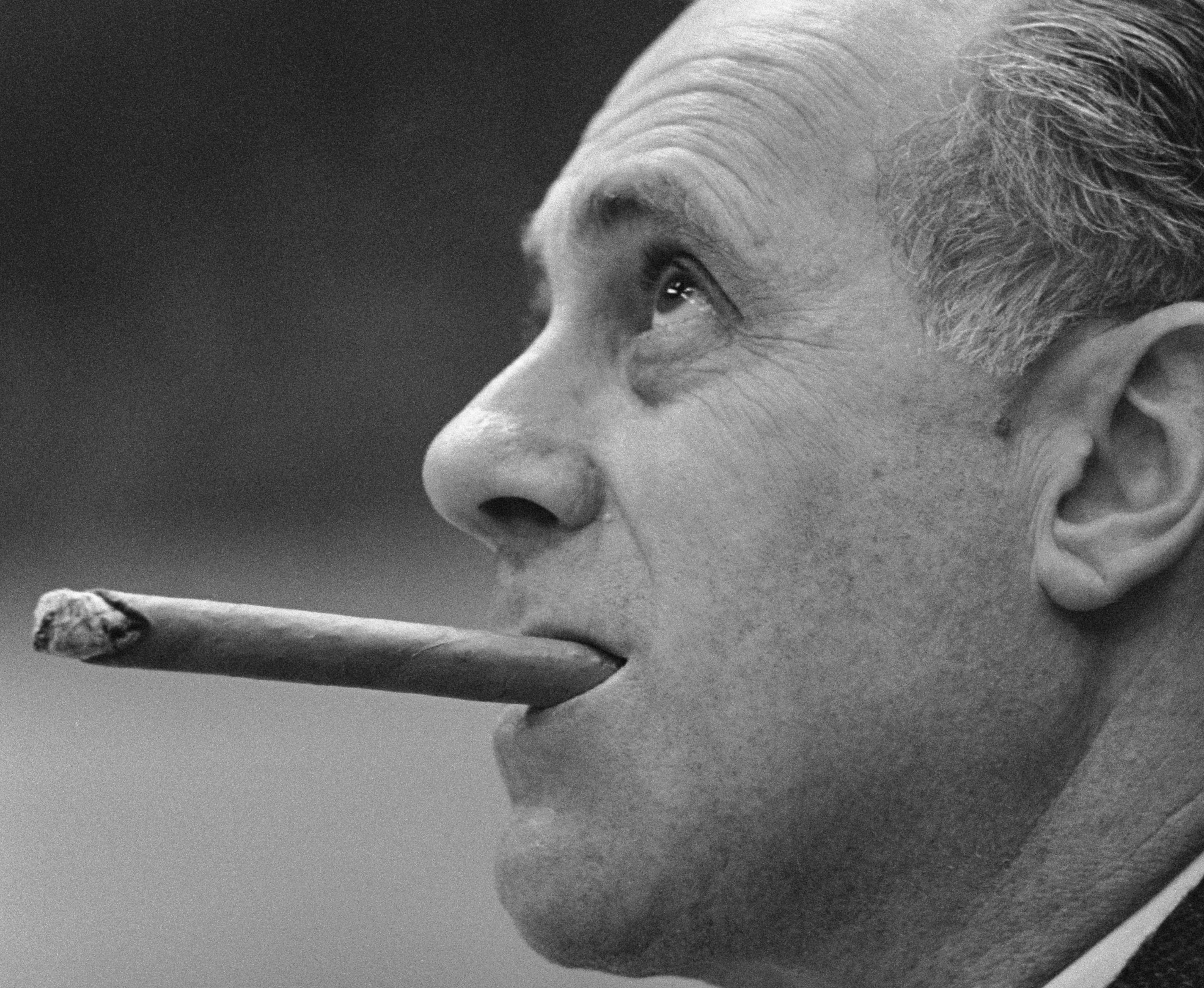
Banner Years: 1966, one final victory cigar for Red Auerbach and the Celtics
In the Celtics’ History Month celebration of TD Garden’s championship banners, 1966 is remembered as the last game coached by Red Auerbach, capping an era built on relentless detail and title-caliber basketball.
The Boston Celtics’ banner celebration at TD Garden moves through its championship history with a spotlight on 1966, the year framed as the final game coached by Red Auerbach, the long-time architect of Celtics basketball’s modern championship standard. The storyline is presented as a closing moment for Auerbach’s own on-bench era, while also serving as a reminder of how rare sustained elite performance was in the league’s earlier decades.
In that telling, Celtics history is not treated as a single highlight reel, but as a progression of championship teams made possible by Auerbach’s approach to building and operating a franchise. The Celtics are the league’s all-time leader in championships, with 18 banners hanging at TD Garden, and the 1966 recap is used to connect Auerbach’s personal coaching legacy to the broader banner collection that followed.
The 1966 marker matters because it represents a transition point. The Celtics’ organization is still described, decades later, through the lens of the “godfather” of the franchise, a nickname that captures how deeply Auerbach shaped Boston’s identity. When the History Month recaps reach the final Auerbach-led game, the emphasis is less on one individual moment and more on what that moment symbolized: the end of a coaching chapter defined by basketball fundamentals and a front office-coach relationship that treated preparation as a competitive advantage.
This is also set against a larger NBA timeline. The recap notes that NBA history spans 80 seasons, placing Auerbach’s Celtics career within a league context that has changed in style, roster construction, and star power over time. The Celtics’ ability to keep winning in different eras is a throughline the celebration is aiming to reinforce, and 1966 is positioned as a reference point for how early the Celtics established their championship standard.
While the CelticsBlog-led commemoration is presented as history and remembrance, it also implicitly highlights why fans and analysts still circle back to 1966 when discussing Auerbach. Auerbach’s tenure is often used as shorthand for an internal winning culture, one that produced multiple title runs and made the Celtics difficult to beat across different styles of play. In that sense, the 1966 recap functions as a bridge between “what happened” and “how it was built.”
For readers, the most practical takeaway is to watch how the 1966 chapter fits into the broader sequencing of Celtics title years. The banner-by-banner format is designed to show continuity and change, demonstrating that even when an era’s key figure is gone, the franchise’s method of competing did not disappear. The next recaps in the series are expected to expand on what Boston’s championship machine looked like immediately after the end of Auerbach’s final coaching game.
Why It Matters
- 1966 is used as a transition point, tying the end of Auerbach’s last coached game to the Celtics’ long-term championship identity.
- The banner-by-banner structure highlights how Boston sustained elite standards across multiple title years rather than relying on isolated runs.
- Revisiting Auerbach in a league-wide historical frame helps explain why his coaching era remains central to how modern fans interpret Celtics success.
Key Facts
- CelticsBlog is running a History Month series recapping each of the Boston Celtics’ 18 championship banners hanging in TD Garden.
- The 1966 entry is framed as Red Auerbach’s final game coached.
- The recap states the NBA has played 80 seasons and positions Auerbach’s work within that longer league history.
- The series emphasizes Boston’s league-high total of 18 championships.