
THE APEX TIMES
Bauers’ at-bat vs. Yamamoto becomes a study in postseason hitting for the Dodgers
An NLCS highlight is less about a single swing and more about how hitters find a path against one of the Dodgers’ most reliable October arms.
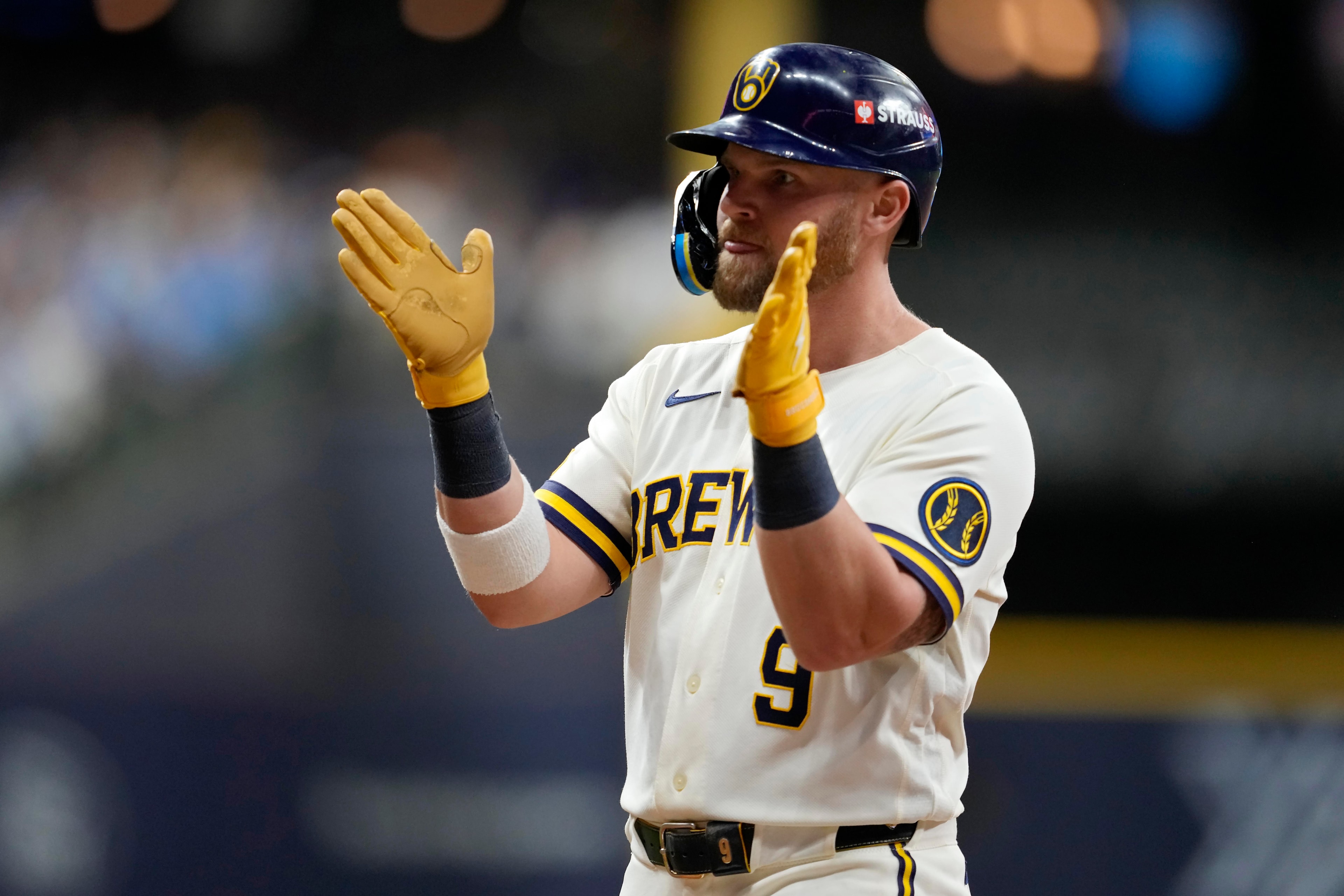
In the middle of an NLCS that demanded precision from both sides, a single at-bat stood out as a clear microcosm of postseason baseball: how Jake Bauers approached Yoshinobu Yamamoto, and what that battle revealed about timing, pitch recognition, and the margins that decide playoff at-bats. The breakdown centers on the Dodgers starter’s reputation as a high-end performer, then flips the perspective to the hitter’s decision-making, using one moment to explain why “best at-bat” conversations matter so much in October.
Yamamoto’s value in the postseason is rooted in the way elite starters control the strike zone without surrendering their command. A pitcher can be dominant over a lineup in general, but what makes this kind of matchup compelling is the idea that one hitter can still create problems through sequence thinking. In the featured breakdown, Bauers’ best work is presented as an outgrowth of patience and selectivity, not an attempt to force a result on every pitch.
The at-bat is framed as the kind of confrontation that defines late-inning baseball, when teams can’t afford to guess wrong. For a batter, the core problem is simple: a pitcher like Yamamoto can make routine pitches look hard by repeating the same release and then changing location or shape. The article’s thrust is that Bauers did not simply “take” or “swing,” but instead made contact possible by narrowing the decision to what he could execute, turning the at-bat into a small chess match rather than a one-pitch duel.
That perspective is especially relevant in an NLCS context, where series pressure can distort hitters’ timing. When a pitcher is already trusted in high-leverage spots, hitters tend to press, trying to solve everything in real time. The breakdown emphasizes instead that the hitter’s job is to stay in the moment of the pitch, recognize patterns early, and maintain a consistent plan even if the first look is not favorable. Bauers’ approach, as described, becomes the example of how a batter can earn the right to swing at the right pitch.
For the Dodgers, moments like this are reminders that even strong postseason pitching can meet resistance when hitters commit to fundamentals rather than improvisation. Yamamoto’s standing as a top postseason performer comes from more than outcomes, it comes from the repeatable traits that allow him to keep generating chances. But the featured at-bat illustrates that the margin is never purely pitcher-versus-hitter; it is also about how a hitter responds to the pitcher’s strengths under series conditions.
What to watch next in the NLCS narrative is the pattern behind the highlight. When a “best at-bat” is identified, it often points to adjustment opportunities: whether the offense learned something about pitch selection, whether the pitcher altered sequencing after seeing that plan work, and how both teams handle the next similar look. Even without needing dramatic swings every time, the best postseason hitters are the ones who can replicate the thinking that made one at-bat click.
Why It Matters
- Highlights like this help explain why postseason at-bats are often decided by process and sequencing, not just power.
- For the Dodgers, the matchup underscores how even elite pitching can face trouble when hitters commit to a consistent plan.
- For postseason hitting, the breakdown reinforces that timing can be preserved by disciplined decision-making under pressure.
Key Facts
- The story breaks down an NLCS at-bat featuring Jake Bauers against Dodgers starter Yoshinobu Yamamoto.
- It frames Yamamoto as one of baseball’s strongest postseason performers while focusing on how Bauers approached the matchup.
- The central theme is how a hitter’s pitch recognition and approach can turn one at-bat into a meaningful indicator of postseason strategy.