
THE APEX TIMES
Bears Turn Third Downs Into Stops, Holding Last Three Opponents to 28 Points
Chicago’s defense has leaned on late-game discipline, limiting opponents across three straight games to the fewest points permitted over a similar span since 2012.
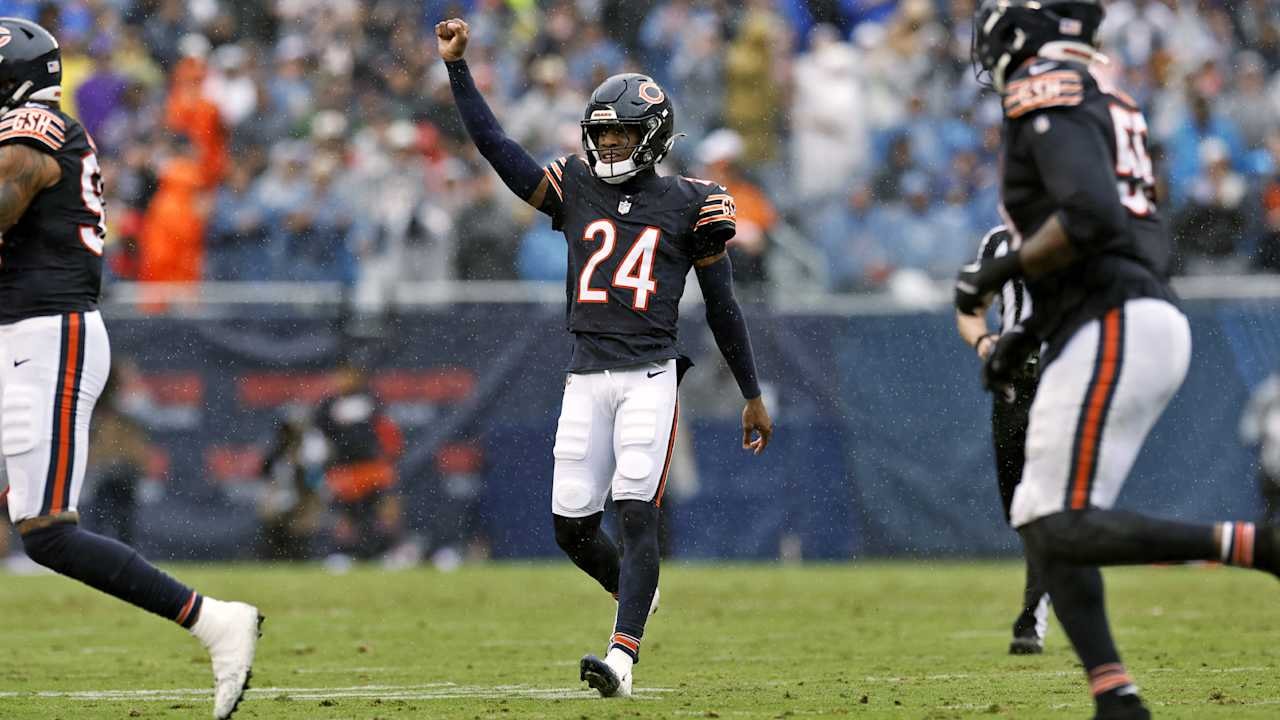
The Chicago Bears have built a sizable share of their defensive identity around what happens after offense forces third down. In a team update posted on Oct. 8, the Bears highlighted how their third-down efficiency has translated into results, limiting their last three opponents to a combined 28 points, the fewest they have allowed in a three-game stretch since 2012.
The comparison is straightforward but meaningful. Over the last three games, Chicago’s defense has kept opponents from sustaining drives long enough to turn into points, and the end result is a total of 28 points allowed across that span. The team notes that this is the lowest three-game total they have permitted since 2012, when they also yielded 28 points over a similar window.
Third-down performance matters in the NFL because it is where defenses can turn urgency into risk for the offense. When a defense pressures the quarterback, limits completions, and reduces the room for short gains that keep drives alive, the offense can end up in longer-down-and-distance situations, creating more punt opportunities and fewer touchdowns. Chicago’s emphasis on third-down success, as described in the Bears’ release, is the organizing theme behind their recent scoring prevention.
What the Bears’ number captures is not a single game plan, but a sustained defensive stretch. Holding three different opponents to an identical low total requires more than one favorable matchup or one late stop. It points to a defense that has been able to get off the field consistently enough that even when an opponent reaches the red zone, there are fewer extended drives to convert.
The Bears’ historical framing also suggests the performance is rare for the franchise. Matching a 2012 three-game allowance of 28 points places the current run in a small bucket of defensive stretches that have produced unusually stingy scoring. That does not automatically mean the defense has solved every issue, but it does indicate the unit has repeatedly avoided the kind of drive sequences that tend to create high point totals.
There is also a strategic ripple effect. When opponents are repeatedly forced to attempt fourth downs or settle for field goals, an offense must change its approach, often taking more shots earlier in drives and accepting more variance. For a defense, that can create further opportunities, such as turnovers or worse field position for the opponent, even if the primary story is simply points allowed.
Looking ahead, the question for Chicago is whether this level of third-down execution can continue beyond a three-game window. The Bears have already demonstrated they can keep opponents’ scoring down when third downs get heavy, but the NFL is unpredictable, and defensive consistency is usually tested when opponents adjust their personnel and play-calling to target what a defense is doing best. For fans, the next benchmark is how the Bears perform on third down and what that yields in another multi-game stretch.
Why It Matters
- Third-down efficiency is a key driver of defensive success because it determines how often opponents sustain drives and reach scoring territory.
- Allowing only 28 points across three games indicates a defensive stretch that can swing game scripts through fewer extended possessions.
- The franchise comparison to 2012 highlights how uncommon this level of stinginess has been for Chicago.
- If the Bears can extend the pattern, it strengthens their ability to compete in games decided by field position and late-drive execution.
Key Facts
- The Bears limited their last three opponents to a combined 28 points.
- That 28-point total is the fewest the Bears have allowed in a three-game span since 2012.
- The Bears also allowed 28 points over a three-game stretch in 2012.
- Chicago attributes its recent defensive success to third-down efficiency and the ability to limit opponent scoring.