
THE APEX TIMES
Ben Rice makes it look routine in the ninth, delivering a late Yankees jab in Toronto
With Aaron Judge on the shelf, Ben Rice’s timing and belief carried the moment, turning a Sunday afternoon of uneven contact into a decisive 9th-inning home run for the Yankees against the Blue Jays.
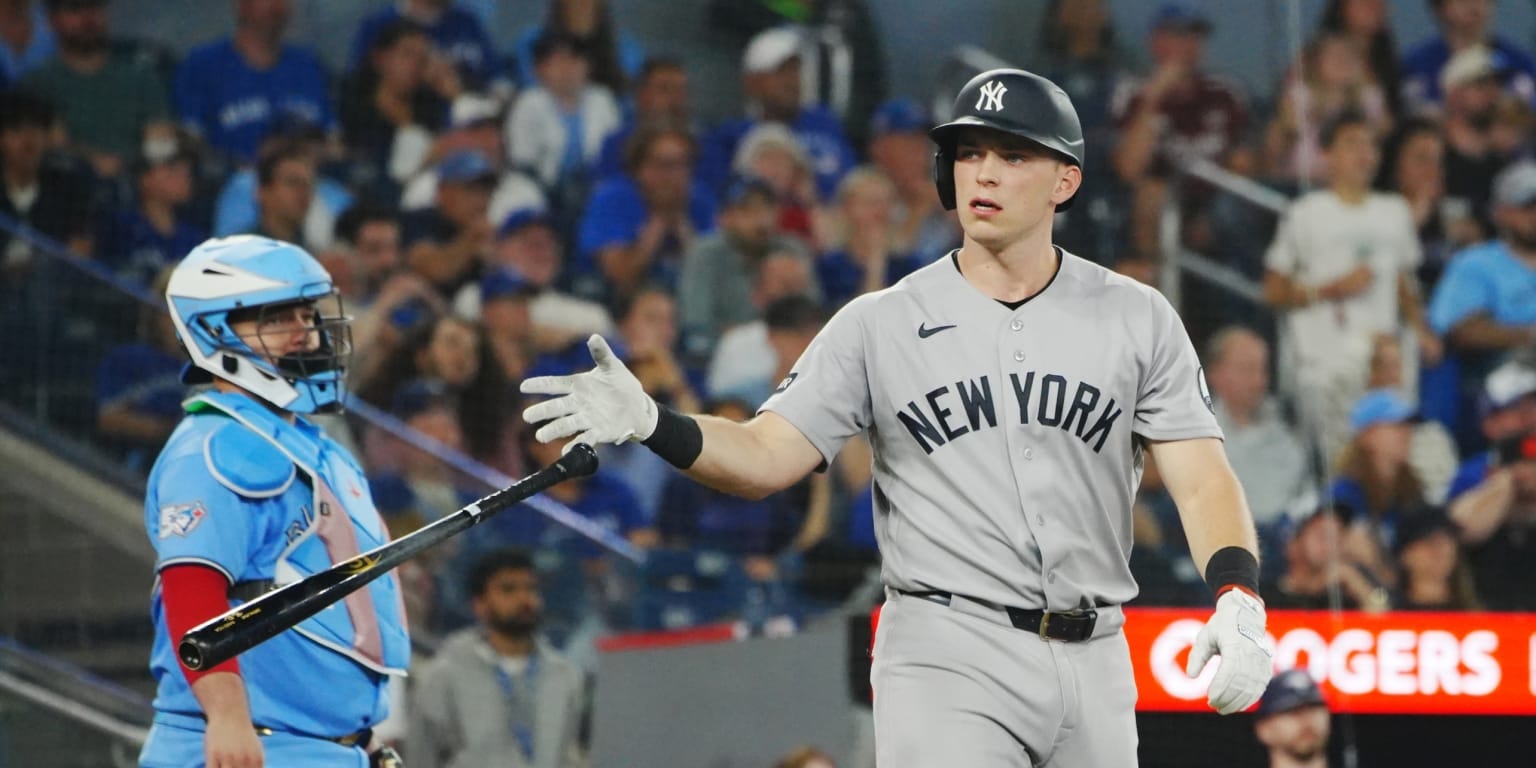
Toronto provided the setting, the Yankees provided the familiar late-game script, and Ben Rice wrote the final line himself. In a Sunday afternoon matchup at the Rogers Centre, Rice turned the game’s late innings into his personal highlight, delivering a home run in the ninth inning that underscored why the Yankees prioritize hitters who can do damage when the at-bats tighten and the margin for error shrinks.
Rice, in his own assessment of the day’s earlier swings, did not hide that the beginning of his afternoon felt off. According to the Yankees’ account of the game, he didn’t like the early pitches he chased or the conviction behind some of his swings, describing them as lacking the sense of presence that he has grown to associate with one of New York’s more important bats. The note matters because it frames the home run not as a fluke of perfect timing, but as a recovery, an adjustment, and a player saving his best swings for the moment he could most control.
While Rice was the catalyst in the ninth, the broader storyline sits with the Yankees’ lineup construction in the absence of Aaron Judge. Judge’s sidelining, referenced directly in the Yankees’ game recap, shifts attention toward the rest of the order to absorb pressure and sustain production. That changes how late innings are approached, too, because the team’s strategy becomes less about one obvious lever and more about generating enough damage across multiple potential matchups. Rice’s ability to deliver with the frame narrowing becomes part of that response.
The Yankees’ late-inning identity is often discussed in terms of momentum and experience, but on a day like this it is also about reinforcement. When the game moves into the ninth, pitchers are trying to protect leads with their most reliable offerings, and hitters must be both selective and ready. Rice’s home run, coming when the ball is at a premium and runners and baserunners matter more than any earlier inning math, positioned New York’s offense for a clean finish.
For Toronto and its bullpen, the Yankees’ ninth-inning homer represented the kind of outcome that can erase earlier innings of control. A home run in the last turn has a way of compressing the entire narrative of a game into a single swing, regardless of what came before. Even without detailing the full tactical sequence, the recap’s emphasis on the “familiar” feel suggests the Yankees have continued to find ways to extend their chances and finish strong as opportunities arise.
Rice’s approach, as described in the report, also points to something practical that fans often look for but do not always see: hitters learning from their own feel. He identified the earlier swings as not meeting the standard he expected for himself, then followed through late. That is the contrast that makes the ninth-inning homer stand out. It was not simply that the ball was put in play with the stakes high. It was that Rice’s conviction returned when it mattered most.
Looking ahead, this kind of late-inning production typically becomes a confidence report within the lineup, especially in periods when the team is adjusting to the absence of a cornerstone player. Rice’s role may not be defined solely by one swing, but the fact that he is making late innings count gives the Yankees more flexibility in how they plan future at-bats and how they manage the hitters most likely to deliver under pressure.
Why It Matters
- With Aaron Judge sidelined, the Yankees need other hitters to produce in high-leverage moments, and Rice’s late homer demonstrates that capability.
- Late-inning home runs can swing the entire narrative of a game, reinforcing the Yankees’ emphasis on finishing chances strong.
- For team-building and lineup planning, production from the middle of the order reduces pressure on any single star and can stabilize offense across late innings.
Key Facts
- Ben Rice hit a home run in the ninth inning for the Yankees in Toronto on Sunday afternoon.
- The Yankees’ recap says Rice was unhappy with some of his early swings and felt they lacked conviction.
- Aaron Judge was described as sidelined in the Yankees’ game account.
- The report frames Rice’s 9th-inning homer as another instance of the Yankees’ late-inning ability to create the finish.