
THE APEX TIMES
Bengals position primer puts Boye Mafe and Cashius Howell at the center of defensive end rotation
With training camp approaching, Cincinnati’s outside pass rush group is the latest focus in a position-by-position review, emphasizing how two new names fit into the defensive end picture.
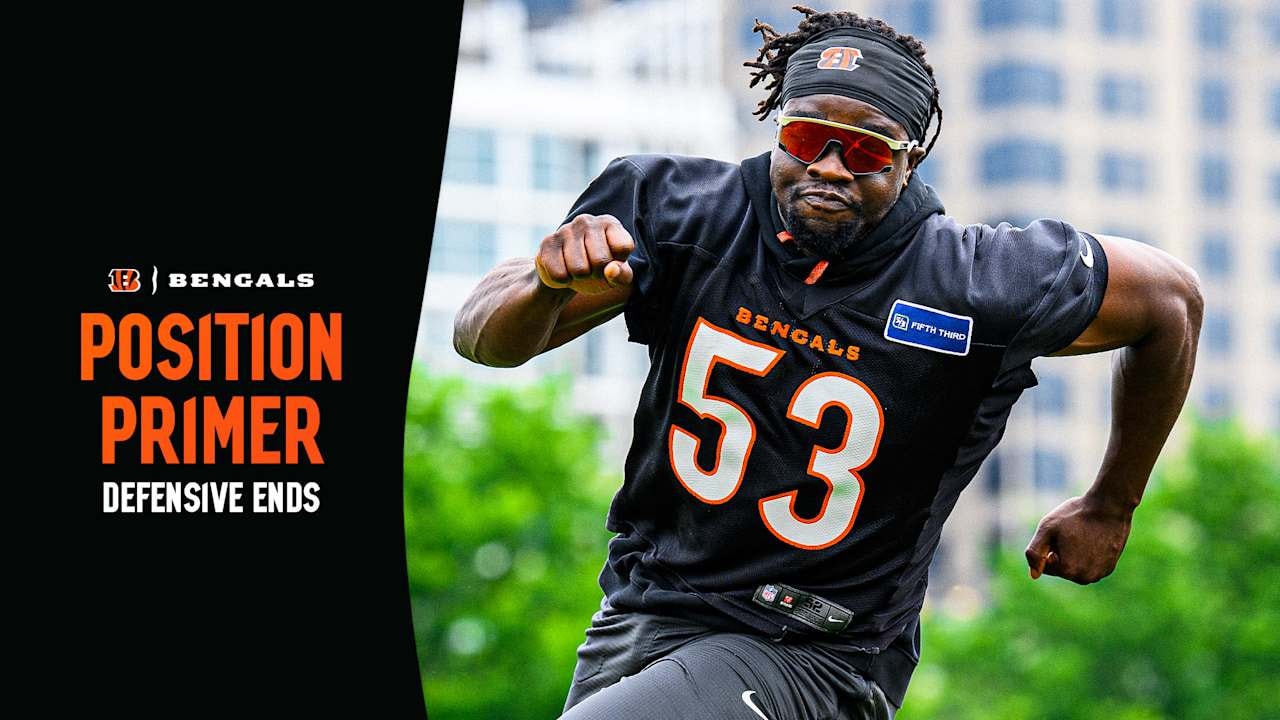
The Cincinnati Bengals’ defensive ends are the subject of the team’s latest position primer, a step-by-step look at how the roster is shaping up ahead of training camp. In the most recent installment, the club framed the group around the idea that it is being built to create pressure from the edge, with Boye Mafe and Cashius Howell described as premium additions to the rotation.
The primer approach matters because it is not just a list of names. It is a public snapshot of how the Bengals want this role to function within their overall defensive front. Defensive end play, in that context, is often a blend of tasks. The outside players are asked to rush the passer, set the edge against the run, and do so while coordinating with the rest of the front and the linebackers behind them. The Bengals’ decision to spotlight the position in its series indicates how central the edge rotation is to the team’s summer priorities.
The installment also points to the existing baseline of personnel at the position by referencing Myles Murphy in the context of the defensive end room. Murphy’s presence in the primer is an indication that the Bengals are treating this as a competition and development track, not merely a one-off change. When a team introduces new talent into an established rotation, the first question becomes how reps and roles are divided among players with different skill sets, especially in terms of where they align and how they are asked to finish plays.
The emphasis on Howell and Mafe as “premium” pieces suggests the Bengals view them as core contributors in the outside defensive line rotation rather than depth-only options. That distinction is important because rotational edge players can change a team’s weekly rhythm. If the Bengals have more than one player they feel can consistently pressure quarterbacks, they can keep more of the front fresh, maintain assignment discipline longer during practice and preseason work, and reduce the drop-off that sometimes follows when a group relies too heavily on a single starter.
From a football-logic standpoint, a defensive end room in training camp is where the smallest details can show up quickly. Coaches will look at leverage and hand placement, the ability to keep contain responsibilities sound when an offense tries to stretch the pocket, and the willingness to play the run at full speed while still having pass-rush intent. Over the next weeks, Cincinnati will likely continue sorting out how each player fits the defensive calls, particularly as the staff works through different personnel groupings and situational packages.
For fans, the next thing to watch is how the Bengals’ rotation language turns into on-field execution. Position primers set the expectations, but camp reps decide how those expectations are realized. If Howell and Mafe are indeed central to the rotation as indicated by the club, the early camp depth-chart conversation will likely focus on who gets the longer runs in two-minute work, who sees the most snaps in base run downs, and how Murphy and other incumbents are used alongside the new edge group.
Just as importantly, the Bengals’ primer series implies this is part of a broader roster-building plan that includes other parts of the defensive line and the linebackers in the back half of the defense. Defensive end play does not exist in isolation, and how the edge rotation supports the rest of the front is usually what determines whether a pass-rush group produces consistent results. The club’s next position installment will help frame that interconnected picture. For now, the message is clear: Cincinnati is going into training camp with an outside front that they believe can pressure the quarterback from multiple angles, with Mafe and Howell positioned as key elements of that plan.
Why It Matters
- A stronger or deeper defensive end rotation can improve a team’s pass-rush consistency by sustaining pressure throughout games.
- How premium edge additions fit alongside incumbents shapes snap distribution and development priorities in camp.
- Edge rush roles often influence defensive playcalling, including run defense assignments and how the front coordinates with linebackers.
- The Bengals’ position-primer series is intended to clarify the club’s internal view of roster strengths as training camp approaches.
Key Facts
- Cincinnati’s website published a defensive end position primer as part of a position-by-position offseason series.
- The Bengals described Boye Mafe and Cashius Howell as premium additions to the defensive end rotation.
- The primer references the defensive end group in relation to Myles Murphy.
- The team framed the series as leading up to training camp, emphasizing how the roster is being evaluated by position.