
THE APEX TIMES
Bengals rookie Jack Endries embraces the tight end “brotherhood,” guided by Erik Swoope’s promise
A seventh-round rookie’s NFL learning curve is being shaped less by football drills than by a vow that veteran tight end Erik Swoope made to his father.
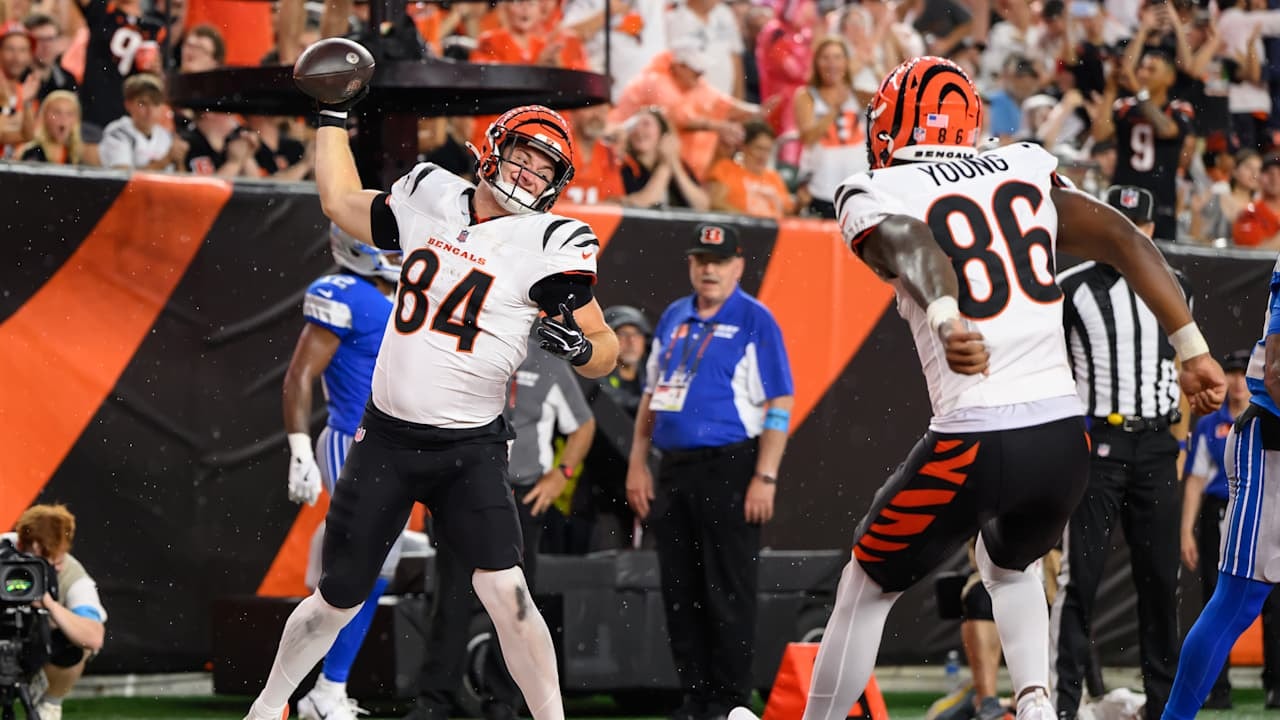
The Bengals’ tight end room is learning something that does not show up on a stat sheet. Rookie Jack Endries is being welcomed into a “tight end brotherhood,” a mindset veteran Erik Swoope says was built through mentorship, patience, and a promise made long before either player reached the NFL. In the Bengals’ telling, Endries’ early preparation reflects that tradition: the polish is new, the guidance is familiar, and the goal is simple. Get better, help someone else, and pass the work forward.
Swoope’s role in that culture traces back to a promise he made to his father. He described a commitment to teach, regardless of how his career unfolded, someone what mentors and other people around him once taught him. In Swoope’s account, Endries is part of the latest group to receive that kind of intentional development, shaped not only by coaching staff, but by how veterans try to translate experience into something teachable.
The Bengals also connected the idea of the brotherhood to a tight end lineage that spans players with different styles and career arcs. Swoope framed his teaching as a recurring process, noting that he and a “handful of others” were among his first test subjects for how he would train others with what he learned. The emphasis was not on instant results, but on repetition and clarity, the same qualities that tend to matter in tight end play where route timing, leverage, and communication decide whether a play succeeds or stalls.
For Endries, the phrase “Just Bear With Me” captures a key part of the adjustment period for a rookie at the position. Tight ends often have to learn multiple roles at once: in-line blocking responsibilities, receiving reads, and situational details that vary by opponent and down-and-distance. The Bengals’ story portrays Endries as leaning into that learning curve with the help of veterans who have lived through it, rather than trying to sprint past it.
The tight end brotherhood idea also serves as a bridge between generations within a single room. Swoope’s description is careful: the brotherhood is not about status, it is about preparation. Veterans become translators between scheme and execution, and rookies become the next students who will eventually turn into teachers. That is why the Bengals’ framing matters beyond one player’s offseason. It is an organizational bet that development can be engineered through relationships, not just assignments.
At the same time, it is worth keeping expectations grounded. This is a culture story, not a promise of immediate production. A rookie’s role can be shaped by many variables, including health, depth-chart needs, and how quickly assignments fit the player’s skill set. Still, when a team highlights mentorship like this, it often indicates that the coaching staff wants the tight end position to feel coherent even as the roster changes from year to year.
What to watch next for Cincinnati is whether the brotherhood shows up on the field in smaller ways: sharper recognition, cleaner execution of basic responsibilities, and more consistent communication across practices and game-like situations. If that happens, it would reinforce the point Swoope made about teaching. The NFL is fast, but for young players, a steady mentor can slow the learning process down enough to make it stick.
The Bengals are essentially describing a handoff. Swoope’s promise to his father is now traveling through the tight end room in the form of advice, structure, and patience for a rookie like Endries. In a league where technique and timing are ruthless, the most reliable advantage might be the simplest one: a veteran deciding that the next player deserves the same careful teaching he once received.
Why It Matters
- Mentorship can speed up a rookie tight end’s acclimation to scheme and positional responsibilities, especially when the role requires both blocking and receiving instincts.
- A tight end brotherhood culture can strengthen communication within the room, which matters when assignments shift by defensive looks.
- How veterans teach can influence how quickly younger players earn trust, affecting how the team distributes targets and snaps over the season.
- The story highlights team-building beyond the draft, suggesting Cincinnati values internal development and role clarity even in the preseason stretch.
Key Facts
- Bengals tight end Erik Swoope described making a promise to his father to teach others what mentors taught him.
- Swoope said the teaching process started with him working with a handful of others as early test subjects.
- The Bengals’ coverage connects that mentorship approach to rookie Jack Endries’ learning and early NFL preparation.
- The Bengals’ story frames Endries’ adjustment using the phrase “Just Bear With Me,” emphasizing patience during the transition.
- The piece is centered on the “tight end brotherhood” concept as a tradition inside the position group.