
THE APEX TIMES
Big 12 leadership stays quiet as Texas Tech eligibility fight spills into broader college sports debate
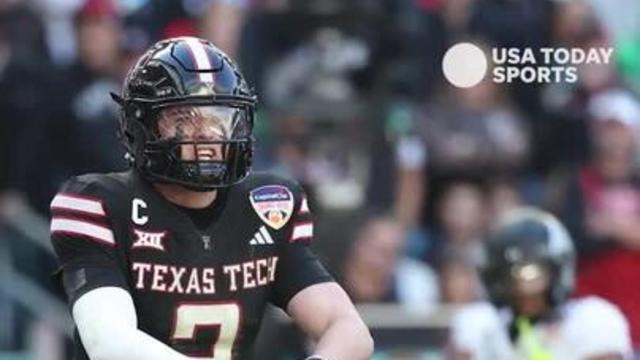
A Texas judge’s temporary restoration of quarterback Brendan Sorsby’s eligibility, and the NCAA’s decision to challenge it, has turned into a much bigger governance question for the Big 12 than one player case. Even with college basketball fans watching for any spillover, the immediate impact is still about policy, enforcement, and who sets the rules.
College athletics rarely gets a clean, contained storyline anymore, and Monday’s court-driven eligibility development involving Texas Tech quarterback Brendan Sorsby has become a referendum on the integrity framework the NCAA and conferences rely on. According to reporting on the situation, a Texas judge issued a temporary injunction that restored Sorsby’s ability to play, overturning the NCAA’s determination that his gambling-related activity made him permanently ineligible.
The dispute has also highlighted the different roles inside the same ecosystem. The NCAA said it strongly disagreed with the court’s ruling and argued it risked “damaging, far-reaching and broadly destabilizing ramifications,” while also emphasizing a competitive integrity rationale tied to betting. In a separate USA Today report, the NCAA’s position was described as moving from a clear “no” to a legal posture in which appeal options are now in play.
Big 12 commissioner Brett Yormark has been portrayed as unusually muted in the immediate aftermath, with one USA Today account describing him as issuing only a narrow, procedural comment that he would “evaluate” the situation after the court decision and that it caused “great concern” among member schools. It is a notable contrast with the Big 12’s public posture in other high-visibility areas, such as media strategy and postseason alignment, which are typically where conference leadership chooses to talk loudly.
Meanwhile, Texas Tech booster Cody Campbell has been described as celebrating the outcome and challenging the NCAA’s approach. Reporting characterizes Campbell as leaning into the idea that the NCAA’s binary gambling rules do not account for the real-world growth of sports betting and gambling addiction among college-aged athletes, and as indicating continued pressure for change, potentially via federal legislation rather than case-by-case litigation.
For college basketball, the case is not about points or standings in the way a typical offseason story would be. But it matters because basketball rosters are built on eligibility rules that are enforced across all sports, and because the competitive environment is increasingly intertwined with legal and legislative frameworks. If court rulings continue to create exceptions or carve out new standards, programs across the Big 12, including basketball teams, can gain incentives to seek similar relief when they believe their circumstances fit an equitable argument.
There is also a practical dimension. The most immediate basketball impact would be indirect, through how the conference, athletic directors, and compliance departments interpret risk. Even before any appeal is decided, uncertainty about what counts as disqualifying gambling exposure, and how addiction or intent gets framed in legal arguments, can shift how compliance offices advise student-athletes and how aggressively institutions monitor activity.
What to watch next is whether the NCAA appeals and how the courts handle the scope of the injunction. The USA Today reporting also indicates the NCAA could choose to appeal, and that timing matters because eligibility standards, once disturbed, tend to echo through recruiting messaging and roster planning. Until there is a clearer legal resolution, the Big 12 will have to manage the political optics of leadership neutrality alongside the administrative pressure to protect membership stability.
If this story continues to grow, it likely will not be because of one quarterback’s timeline, but because it forces the same questions that basketball already faces in the modern era: who enforces rules, how those rules adapt to legalized betting, and whether conferences can keep the system uniform when courts and student-athletes challenge uniformity in practice.
Why It Matters
- Eligibility disputes do not stay in one sport, because compliance and enforcement standards apply across athletics departments, including basketball.
- Court-created uncertainty can affect how institutions advise student-athletes and how aggressively they manage risk around betting-related issues.
- The Big 12’s public posture, including whether leadership chooses confrontation or procedural evaluation, shapes member confidence and administrative stability.
- If the NCAA’s position weakens in court or becomes more fragmented, recruiting and roster planning could become more legally oriented rather than purely policy based.
Sources
Key Facts
- A Texas judge issued a temporary injunction restoring Texas Tech quarterback Brendan Sorsby’s eligibility after the NCAA ruled him permanently ineligible for gambling-related activity, according to USA Today reporting.
- The NCAA publicly criticized the court’s ruling, arguing it undermines sports integrity and threatens competitive stability.
- Big 12 commissioner Brett Yormark reportedly issued a limited statement indicating he would evaluate the situation after the court decision and noted concern among member schools.
- Texas Tech booster Cody Campbell was described in reporting as celebrating the court outcome and criticizing the NCAA’s approach.
- Reporting frames the dispute as part of the broader policy debate over sports betting, gambling addiction, and potential federal legislation changes.