
THE APEX TIMES
Big Ten Media Days delivered more than sound bites, Saturday Tradition says
A new look at Big Ten Media Days focuses on the single message each fan base could latch onto as fall camp approaches, and what those themes tend to report about team priorities.
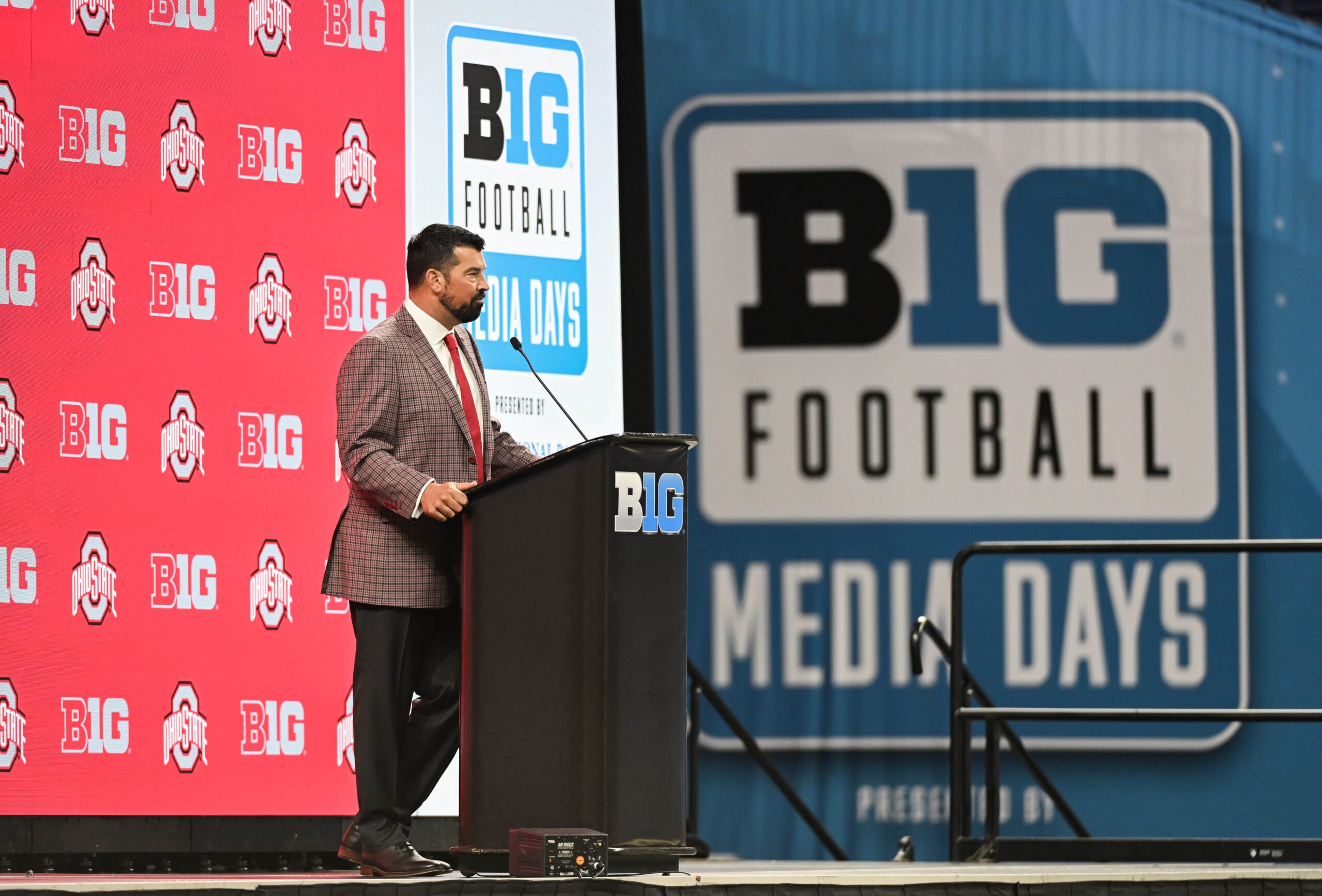
Big Ten Media Days has become a yearly reset button for college football fan bases, and one recent recap argues that the most useful takeaways are not the broad promises, but the specific message each program’s supporters needed to hear. In a story published August 8, 2026, Saturday Tradition frames the three-day media stretch in Chicago as an intense week of public positioning, where coaches and players try to define what matters most before practices start in earnest.
The piece, titled “What each Big Ten fan base needed to hear at Media Days,” is built around the idea that every school’s narrative has a “one thing” that can cut through preseason noise. That premise matters because it speaks to how supporters process the next months: fan expectations, internal team goals, and the pressure of the conference schedule all collide quickly after the microphones are turned off.
Media Days also matters because it can shape what fans consider “normal” for the coming season. In the Big Ten, where programs often travel similar paths of trying to replace production, manage quarterback questions, and blend recruiting classes into the rotation, the early framing becomes a guide for how people interpret later results. A message that sounds modest at the podium can turn into a yardstick by October.
While Saturday Tradition’s account centers on what each fan base needed, the larger takeaway is about priorities and posture, not prediction. When teams talk publicly, they are usually trying to align expectations internally, set the tone for competition, and explain how they will build from one week to the next. For supporters, that can reduce frustration if the season does not begin with instant dominance, and it can also raise the stakes if the narrative indicates urgency on a particular point.
The story’s framing of Media Days as a three-day event that “cranked up” in the Windy City highlights another reality of the sport: the calendar compresses dramatically after these appearances. Fans often arrive at camp already primed by spring storylines and recruiting buzz, then spend the summer looking for confirmation or contradiction. Media Days becomes a checkpoint, even if it is not a final assessment of on-field readiness.
There is also an important caveat for readers: conference media sessions are designed for clarity and confidence, not exhaustive detail. The most credible way to translate what fans “needed to hear” is to treat it as a lens, not a forecast. The real tests come when the depth charts are settled, the offense and defense are installed, and the early nonconference games begin to reveal whether the priorities described at the podium were actually the ones the coaches and players emphasized when practice starts.
Going forward, the practical question for Big Ten supporters is what to watch after the media noise fades. If a program’s “one thing” centered on building continuity, then preseason confidence should be judged by how smoothly the team runs its system. If the emphasis leaned toward resilience under pressure, it will show up in how the unit responds after mistakes. If the focus was on development and roles, it will become clear once fall depth charts take shape and first-year contributors earn meaningful repetitions.
Why It Matters
- Media Days messaging can influence how fans interpret early-season results in the Big Ten’s high-visibility schedule.
- Preseason narratives often become the lens for judging quarterback play, team identity, and in-conference progress.
- Treating the “one thing” takeaways as priority indicates can help supporters track what a program is actually building toward.
Key Facts
- The story is published by Saturday Tradition on August 8, 2026.
- It discusses Big Ten Media Days in Chicago and how the event lasted three days.
- The article is framed as identifying one specific message each Big Ten fan base needed to hear.
- The underlying theme is that podium comments and public positioning can help define expectations before fall camp.