
THE APEX TIMES
Big Ten Offseason Grades: Conference rides a Final Four and a title, then turns to next-year roster building
A quick look at how each Big Ten program was graded for its 2026 offseason work, set against a spring of momentum that ended with Michigan winning the national championship and Illinois reaching the Final Four.
The Big Ten’s 2026 offseason is being judged in a particular light: the league did not just compete in March, it dominated the final stages. Illinois and Michigan both reached the Final Four, and Michigan captured the national title, the first by a Big Ten school since Michigan State’s run in 2000. That context matters because roster decisions made in June often determine whether a strong season becomes a sustainable era or a one-time peak.
Busting Brackets, in its offseason grades and team-by-team recap, framed the conference’s summer work as a set of bets on depth, fit, and development rather than a single-season reset. The grades are meant to summarize what each program accomplished after the season ended: how aggressively it addressed weaknesses, how well it built for the grind of Big Ten play, and whether its moves aligned with the style required to advance past the conference tournament.
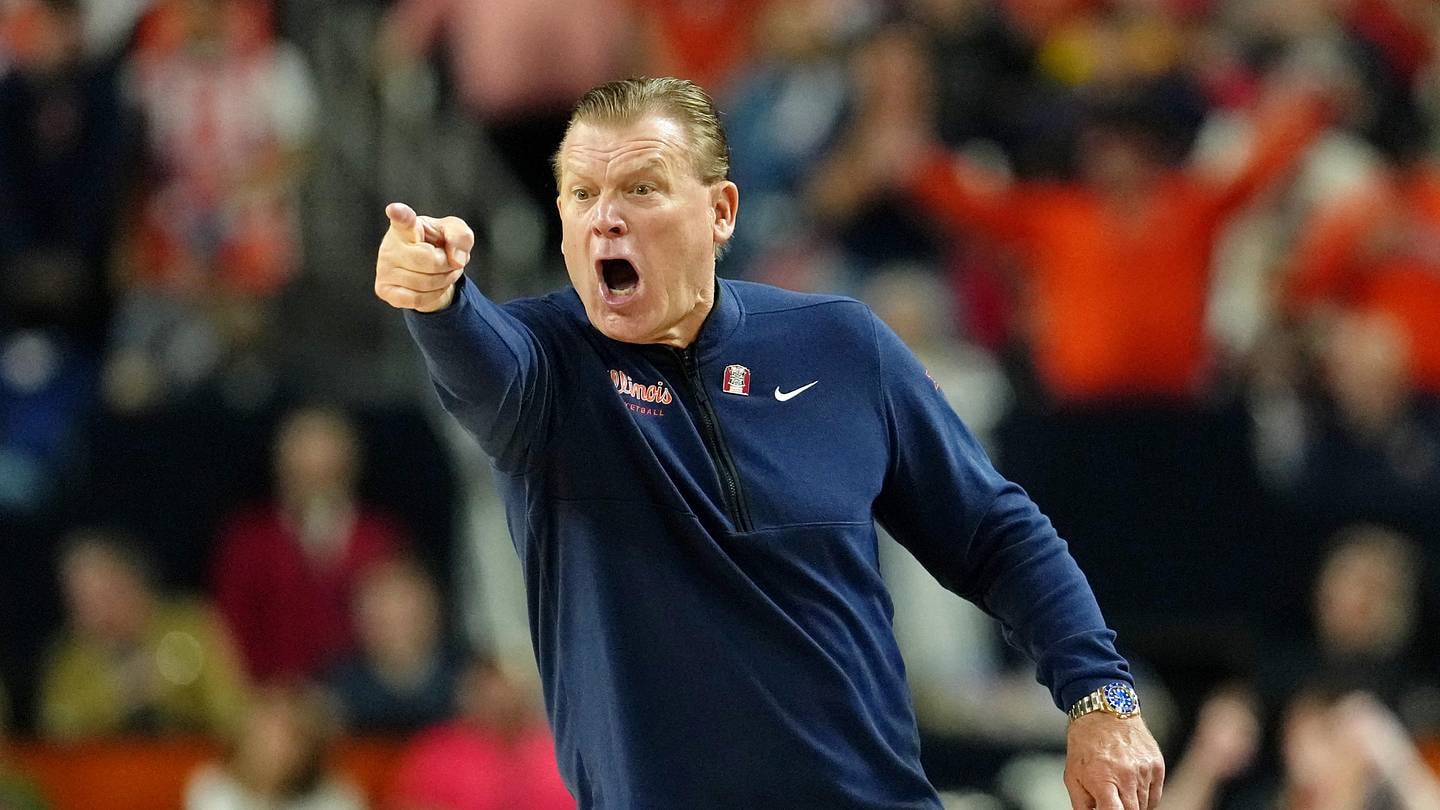
Illinois’ Final Four run provides one of the clearest measuring sticks for the rest of the league. A deep postseason run typically raises expectations, and it changes recruiting gravity, too. The challenge for any program after such a breakthrough is maintaining continuity while still improving the margins, especially in the second half of games when rotation depth and shot quality start to separate contenders from the pack.
Michigan’s title adds another layer. Winning it all tends to expose how difficult it is to replace not just production but also decision-making under pressure. The Big Ten title drought that ended with Michigan in 2026, going back to the 2000 championship by Michigan State, also underscores how rare sustained excellence can be even within one of the nation’s strongest leagues. In that sense, offseason moves after a championship are less about spectacle and more about protecting the structure that allowed the team to finish on top.
The league’s offseason outlook is also shaped by the nature of Big Ten basketball itself. Conference play stretches quality possessions across 20 games, where matchup planning and guard play matter, and where travel and physicality can amplify any roster thinness. That reality makes offseason grading inherently imperfect, because it is difficult to prove on paper whether a new rotation player will hold up in February and March.
Because the available published grading and recap is not tied to an official transaction log or roster documentation in the material here, readers should treat the evaluations as interpretive rather than definitive. Grades can be influenced by perceived direction and positional needs, not just what happened on a specific day. For a more complete picture, fans will want to cross-check each program’s roster changes, incoming class, and early summer practice reports once confirmed by the school or conference.
What to watch next in the Big Ten offseason is less about the letter grade and more about execution. Does each team establish a reliable rotation, including a steady bench option for late-game minutes? Do the recruiting and development choices address the particular weaknesses that show up when the postseason shortens benches? And as the league absorbs another year of rising expectations, which programs turn summertime decisions into February stability.
Ultimately, the Big Ten’s 2026 offseason stakes are straightforward. Illinois and Michigan changed the league’s national story, and that momentum raises the standard for every other program trying to break through. Next season’s results, not summer writing, will decide whether the conference’s roster-building cycle produces another run deep into March, or whether the title moment fades into history quickly.
Why It Matters
- Illinois’s and Michigan’s spring success raises the performance bar for the entire conference and can accelerate recruiting and development expectations.
- Michigan’s championship demonstrates that the Big Ten can produce title-caliber teams, which changes how other programs evaluate risk in the offseason.
- Big Ten basketball is matchup-driven and rotation-sensitive, so offseason choices that only look good on paper may be exposed during conference play.
- Expectations after deep runs can create both opportunity and pressure, influencing how quickly teams try to replace production and roles.
Sources
Key Facts
- The Big Ten entered its 2026 offseason with unusually strong postseason validation, with Illinois reaching the Final Four and Michigan winning the national championship.
- Michigan’s title was the first for a Big Ten program since Michigan State won in 2000.
- Busting Brackets released team-by-team offseason grades and a recap of each Big Ten program’s 2026 offseason work.
- The grading frames offseason moves as a mix of roster-building priorities tied to upcoming Big Ten competition.
- The reported conference context emphasizes sustainability after high-end tournament success rather than a short-term reset.