
THE APEX TIMES
Big Ten’s championship run fuels debate as Florida tries to reset its SEC footing
With the Big Ten winning three consecutive national championships, a national comparison exercise is forcing the SEC to answer a sharper question in the college football title conversation, even as Florida’s program works to re-establish itself within the conference.
College football’s offseason debates are increasingly framed by results, not reputations. A new round of discussion asks what would happen in a hypothetical 16-game challenge in 2026 between the Big Ten and the SEC, timed to the Big Ten’s recent dominance on the national stage, including three consecutive national championships.
The premise, discussed in a piece from Yahoo Sports referencing The Athletic’s question, is designed to test a familiar storyline: whether the SEC still has the clearest claim to being college football’s premier conference, or whether the Big Ten’s on-field success has changed the hierarchy. The format, a 16-game head-to-head, is meant to move the conversation beyond broad comparisons and toward a more direct “conference vs. conference” measure.
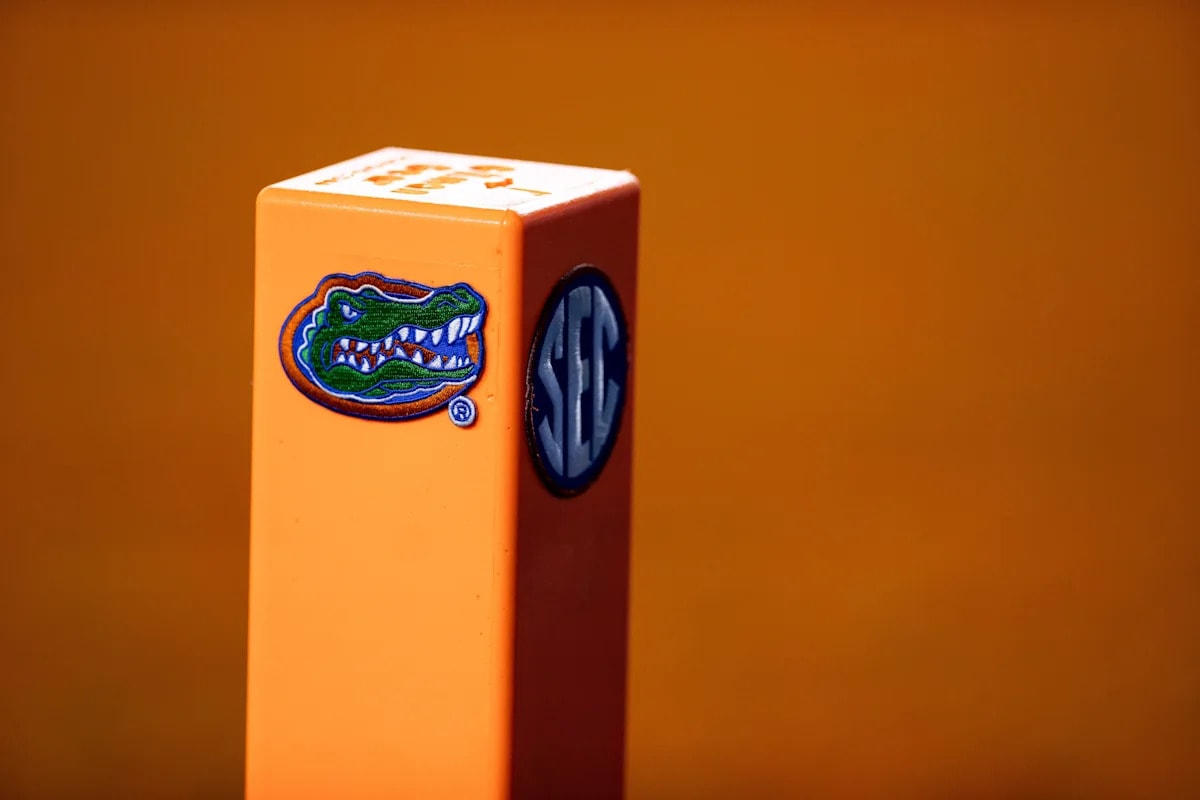
Florida’s mention matters because the program sits at the center of that SEC identity debate in a very practical way. Florida is a marquee Southeastern Conference brand, and any attempt to rebuild the team’s level of consistency and championship relevance inevitably becomes a referendum on what it means to compete in the SEC’s modern landscape. The comparison exercise adds extra pressure to that narrative, since it positions the SEC not just against the rest of the country, but against the Big Ten’s proven postseason track record.
Still, this is not a preview of a real scheduled matchup. A hypothetical challenge, by definition, does not carry the same procedural certainty as a conference slate or a specific tournament bracket. Matchups can be constructed with different assumptions, and conference strength can be influenced by style, coaching experience, and the distribution of talent across age and class lines. In other words, the debate is informative for how fans and analysts think, but it is not a substitute for actual head-to-head results.
What makes the discussion consequential is the way it reflects recruiting and development logic. Conferences that win national championships tend to attract top high school classes and retain elite transfer targets, while also strengthening the confidence of recruits who want immediate exposure to playoff-caliber teams. If the Big Ten continues to convert that confidence into postseason performance, the “SEC is automatically premier” argument becomes harder to defend without new evidence.
For Florida, the stakes are both external and internal. Externally, a program in the SEC cannot afford to drift into mediocrity in a sport where the playoff window is narrow and recruiting cycles are fast. Internally, the rebuild question is about building a team that can survive the grind of SEC opponents and still perform in the national spotlight where margin for error is thin.
Looking ahead, the most meaningful test for this entire conversation will come when the teams can no longer be compared by hypotheticals. Actual inter-conference games, bowl matchups, and playoff outcomes will show whether the Big Ten’s championship momentum is a one-time peak or the start of a sustained shift in the sport’s power structure. Until then, debates like a 16-game challenge will keep centering the same themes, who can recruit and develop fastest, and which conference can translate talent into titles most reliably.
Why It Matters
- A sustained Big Ten title run changes how the sport ranks conferences, shifting the argument from reputation to recent results.
- Hypothetical conference matchups reflect how recruiting narratives may evolve if championship performance continues to cluster in one conference.
- For Florida, the SEC identity question becomes a program-building mandate, since conference strength influences perceptions of competitive readiness.
Key Facts
- The Big Ten has won three consecutive national championships, according to the discussion referenced by Yahoo Sports.
- The Athletic posed a hypothetical question about which conference would win a 16-game challenge in 2026 between the Big Ten and the SEC.
- Florida is cited in the context of an SEC rebuild, tying the national conference debate to a specific program’s efforts to reassert itself.