
THE APEX TIMES
Bill Mazeroski’s walk-off made the impossible inevitable for the 1960 Pirates, and it still defines a World Series at home
Sixty-six years after the moment ended the biggest game in Pittsburgh baseball, Bill Mazeroski’s World Series walk-off home run remains a benchmark for what a home run can mean when it lands on the final out.
Sixty-six years ago today, Bill Mazeroski turned a World Series into a memory that never fades. With the weight of a championship hanging over Pittsburgh, the Pirates’ second baseman delivered a walk-off home run that decided Game 7, sealing a title that, in the city’s sports lore, has never really left the building.
In the retelling of October baseball, home runs can be dramatic, but walk-offs are different. They compress everything into a single, unmistakable ending. That is why Mazeroski’s moment has outlasted the era that produced it. The shot is remembered not just as the final play of a series, but as a defining punctuation mark for the idea that baseball’s most important swings do not need to wait for tomorrow.
Mazeroski, a beloved figure in both baseball and Pittsburgh history, became the center of that punctuation. The way the moment is discussed today reflects a broader reality about sports anniversaries: people may debate whose greatness lasts longer, but a championship-winning, walk-off home run carries a kind of permanency. It is both statistic and story, and it is the story that travels well across generations.
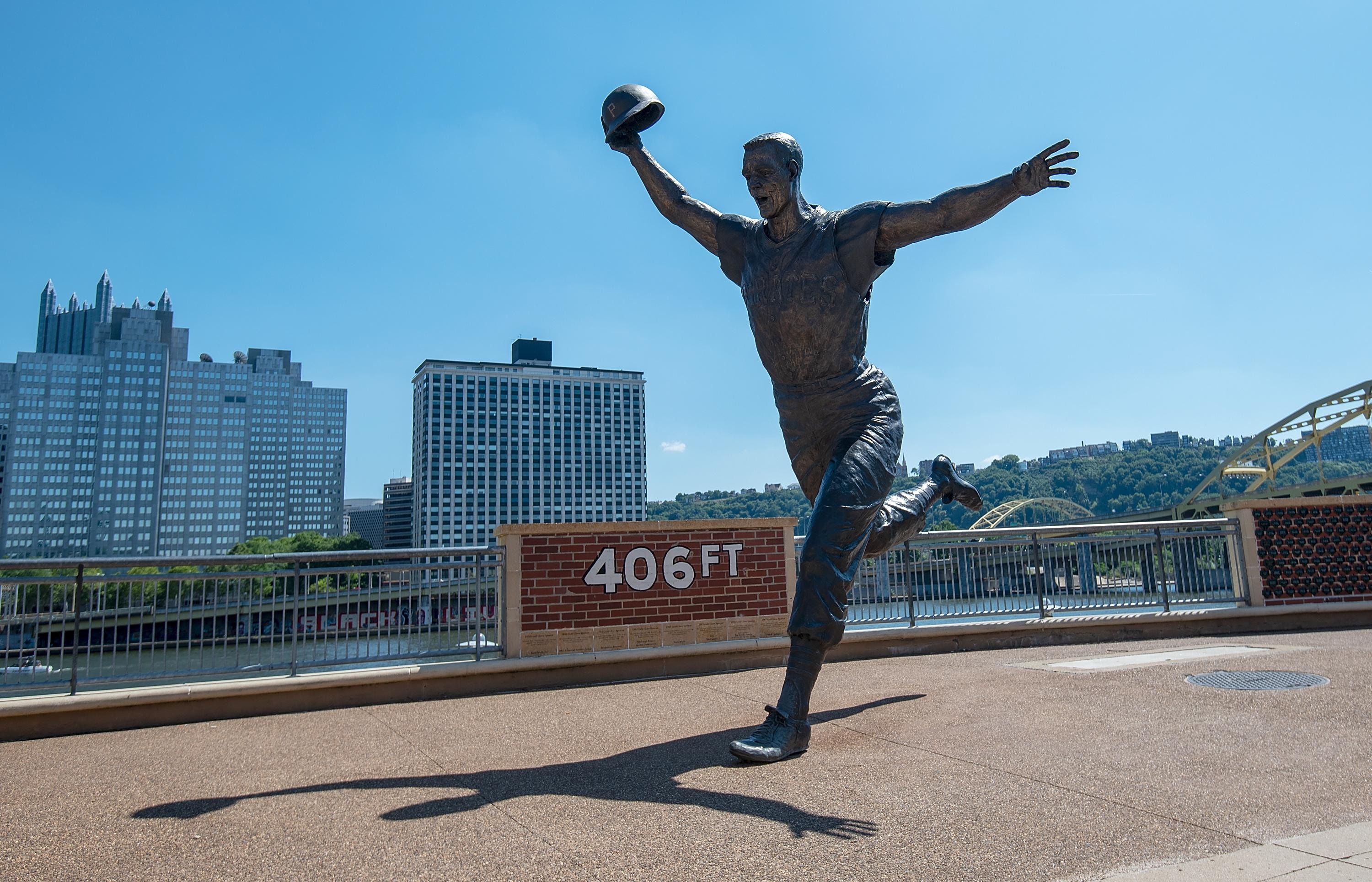
For Pittsburgh, the significance is hard to separate from the setting. A World Series win at home has an amplified cultural meaning, and Mazeroski’s blast has been treated for decades as one of the defining scenes of the franchise’s modern identity. It is also one of the clearer examples of how baseball legends are created in real time, then preserved by the retelling that follows, year after year, in ballparks, bars, and family living rooms.
The endurance of that single swing also says something about how fans evaluate the sport’s most iconic moments. Many famous home runs come in games with plenty of additional baseball to follow. Mazeroski’s walk-off, by contrast, becomes the end point for everyone watching, including those who were not yet old enough to understand what it would become. That kind of immediacy is what makes the moment stand out whenever the question returns, as it does on anniversaries like this one, of what the “greatest” home run really means.
As baseball moves deeper into each new postseason, the temptation is to treat history as background noise. Yet this anniversary makes the case for the opposite: the sport’s past is not just a record of outcomes, it is a set of images that help explain why fans keep showing up. The Pirates’ championship run may have been rooted in 1960, but Mazeroski’s walk-off functions as a reference point for what greatness looks like when there is no next chance.
What to watch next is less about reshaping the past and more about how MLB and its clubs keep connecting current generations to the game’s oldest legends. When anniversaries like this are highlighted, the goal is usually preservation, not re-argument. But each time the moment is revisited, it becomes easier to see why it remains so widely cited as a standard for baseball’s highest stakes at the plate.
Why It Matters
- Walk-off home runs become instant anchors for championship memory, because they eliminate debate by ending the game immediately.
- For Pittsburgh, the moment has served as a franchise-defining image of what playoff baseball can feel like at home.
- In MLB’s modern era of highlight culture, historical walk-offs remain a benchmark for evaluating “impact” beyond statistics.
- Anniversaries like this show how teams and leagues preserve fan connection to past champions, especially through shared city lore.
Key Facts
- The story focuses on Bill Mazeroski’s walk-off home run that ended a World Series game for the Pittsburgh Pirates, described as one of baseball’s most enduring moments.
- The anniversary highlighted is 66 years from October 13, 2026, aligning with the 1960 World Series moment in Pittsburgh baseball history.
- Mazeroski is portrayed as one of the most beloved players in both baseball and Pittsburgh sports history.
- The central theme is how a walk-off home run functions as a decisive ending and a lasting cultural image for fans.