
THE APEX TIMES
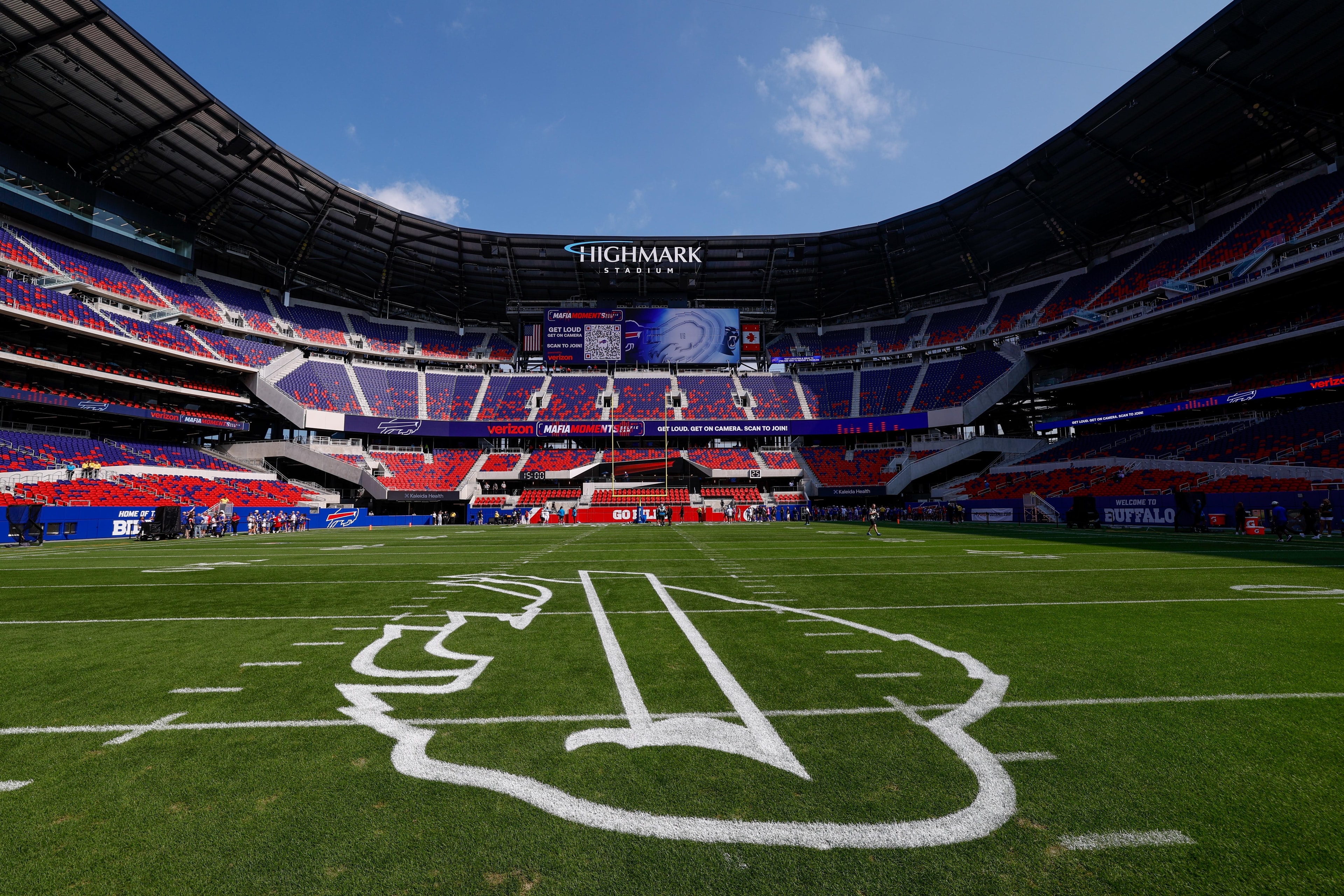
Bills’ first look at natural grass at Highmark Stadium raises questions about NFL field management
Buffalo’s move to a natural surface at Highmark Stadium was pitched as an upgrade for player feel and performance. The first on-field test, however, has produced visible divots and damage that have fans and analysts asking whether the stadium can reliably protect the playing surface across an NFL season.
The Buffalo Bills used Highmark Stadium’s natural-grass surface for the first time in a game context, and the early visual evidence has quickly become part of the story. Yahoo Sports framed the preseason evaluation as more than a cosmetic issue, arguing that beyond grass stains, the key question is what natural turf will mean over the long run in Buffalo’s conditions and under repeated NFL event usage.
Buffalo’s stadium decision matters because NFL natural grass and hybrid systems are often judged by consistency: ball bounce, traction, and whether the surface holds up through repeated practices, weather swings, and lineup changes throughout a 17-week stretch. The Bills’ stated intent, as described in the coverage, was that natural grass would be an upgrade, aiming for better player footing and performance than other options used previously at venues with different surfaces.
The first real test at Highmark Stadium, according to the report, included visible divots and signs of damage after play. Those observations have fueled “good idea or bad idea” debate, particularly because natural turf can be more sensitive to drainage quality, irrigation practices, mowing schedules, and how quickly a field recovers after wear and tear. In Buffalo, where weather can turn quickly from heat to rain to colder stretches, the recovery window becomes a key part of the evaluation.
Field specialists and teams often manage natural grass as a living surface, but the NFL schedule compresses the margin for error. Even without making claims about specific player injuries or league discipline, the practical issue is whether the turf can remain playable week to week, especially after high-impact moments such as red-zone scrums, sideline special teams coverage, and heavier roster rotations that concentrate wear in the same areas.
Highmark Stadium’s experience also highlights the tradeoff between surface feel and durability. Natural grass is frequently valued for a more traditional playing experience, but durability is not automatic. If the turf’s root structure, top-dressing strategy, and moisture balance are not aligned with the event load, the field can show damage faster than expected. The report’s framing suggests that the early signs are prompting early scrutiny from observers who expected the transition to improve the day-to-day product.
For the Bills, what comes next is a test of the stadium and operations playbook. The team will need to demonstrate that any early damage is either correctable through maintenance procedures or that it can be prevented through tighter preparation windows before future home games. Equally important is whether the field returns to a consistent surface condition quickly enough to avoid lingering issues that could affect play across offense, defense, and special teams.
The broader NFL takeaway is that stadium surface decisions are rarely “set and forget.” Even when natural grass is chosen for player-centric reasons, it still requires continuous engineering and maintenance to handle the real NFL calendar. Over the coming weeks, the Bills’ home-field field conditions will serve as an ongoing referendum on whether Highmark Stadium’s natural approach can deliver on its promise.
Why It Matters
- Surface consistency can affect play quality across the season, including traction and ball handling conditions.
- If the field does not recover quickly, home games could become less predictable and potentially disadvantage teams depending on how quickly worn areas develop.
- The Bills’ stadium decision will be judged not just by initial conditions, but by durability across repeated uses and weather shifts.
- The situation is a reminder that even “player-first” turf choices still require robust maintenance to meet NFL standards.
Sources
Key Facts
- Buffalo Bills played a football game for the first time on Highmark Stadium’s natural-grass field, according to Yahoo Sports.
- The reported rationale for the move was that natural grass would be an upgrade for player safety and performance.
- Early observations described divots and field damage, prompting criticism and debate about whether the change will hold up.
- The article emphasizes Buffalo’s weather as a major factor in what the turf may look like across an NFL season.