
THE APEX TIMES
Bills use first Highmark Stadium preseason test to reshape the early 53-man roster picture
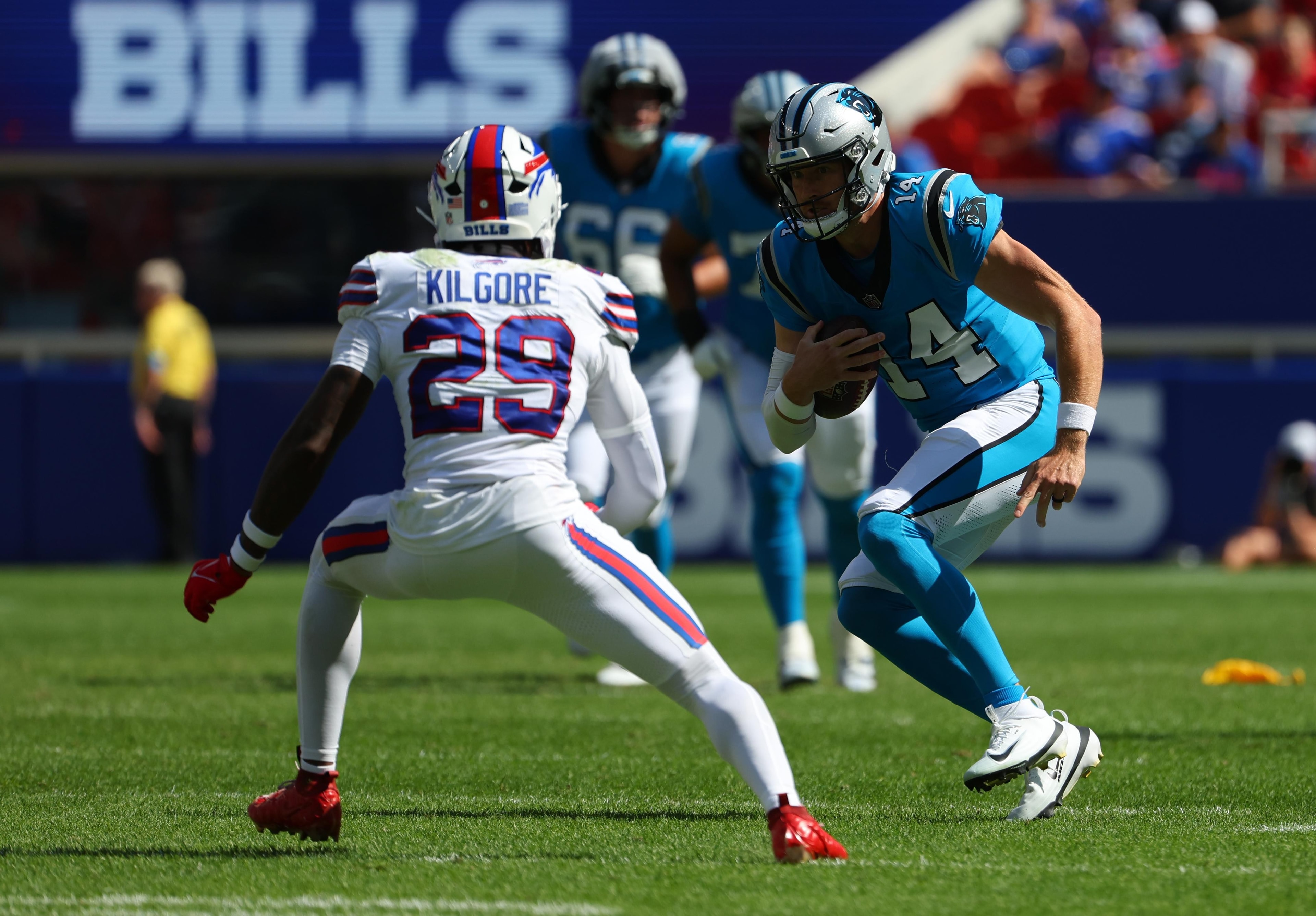
Buffalo opened its preseason schedule with a 29-14 win over Carolina, giving the team a fresh look at which positions can be settled and which roles need more reps before the regular-season cutdown.
The Buffalo Bills got their first taste of preseason football in the renovated Highmark Stadium with a 29-14 win over the Carolina Panthers, and the result immediately feeds into the weekly question teams face at this point in camp: what does the early 53-man roster actually look like? Preseason openers rarely decide everything on their own, but they do change the conversation. Buffalo’s scoring margin and the overall flow of the game create a clearer framework for roster projection work, especially across the units that require the most integration time, like the quarterback play around the pocket movement packages and the coordinator’s preferred groupings on third downs. For a team projecting its roster, the key is not just who produced on a given night, but who did so while fitting role-specific requirements. In the Bills’ case, that means separating defenders and return/coverage specialists who can hold up in coverage responsibilities from players who are primarily in camp for depth. It also means distinguishing between “preseason starters” and players who can be trusted to stay on the field in a typical NFL situation. The preseason win against Carolina provides an early map of the roster’s functional categories: starters who can be managed in limited snaps, situational specialists who rise or fall based on scheme fit, and fringe players who win jobs by doing the small things consistently. Even when the scoreboard is close, the roster projection exercise is usually about patterns, like which skill position reps translate into reliable execution across snaps, and which units look composed when the play is designed to create immediate leverage. The setting matters, too. Buffalo’s opener inside Highmark Stadium was the first real “home” atmosphere for the team’s preseason rhythm. The early visibility that comes with playing at home can affect how coaches evaluate repeatable performance, because players are not simply trying to survive a road-like environment. Instead, the focus shifts toward whether the new-look stadium day functions like a steady stage for communication, cadence, and adjustments. Still, there is a large caveat to any roster projection based on a single game. The preseason is built for evaluating multiple looks, including varying offensive and defensive packages that can hide a player’s ceiling or accentuate a weakness depending on the matchup. Coaches can also change priorities quickly as practices and subsequent opponents reveal where the depth chart is actually thin. That is why the Bills’ next steps are as important as their opener. The roster picture will likely firm up as Buffalo continues to alternate reps, uses different personnel groupings, and narrows its focus toward the players who are most likely to carry the role into Week 1. The early result against Carolina is a useful baseline, but the final call is still tied to how those performers handle the follow-up evaluation windows before the roster cutdown.
Why It Matters
- A preseason opener can quickly clarify which positions have reliable internal options for the season’s first month.
- Early roster conversations impact playing time for fringe players, since the team must test depth without exhausting evaluation bandwidth.
- Settling key roles before later preseason weeks helps teams avoid late-season sorting problems at critical times like third downs and special-teams coverage.
- Because Buffalo’s opener came at home in Highmark Stadium, the evaluation has an added baseline for communication and rhythm in a familiar setting.
Sources
Key Facts
- The Buffalo Bills defeated the Carolina Panthers 29-14 in their preseason opener.
- The game marked Buffalo’s first preseason outing inside Highmark Stadium.
- The development being discussed is an early 53-man roster projection following the preseason result.
- Roster projection at this stage focuses on role fit and repeatable execution, not only game-by-game production.