
THE APEX TIMES
BKFC brings bareknuckle fighting to Fenway Park, with CEO David Feldman outlining how it happened
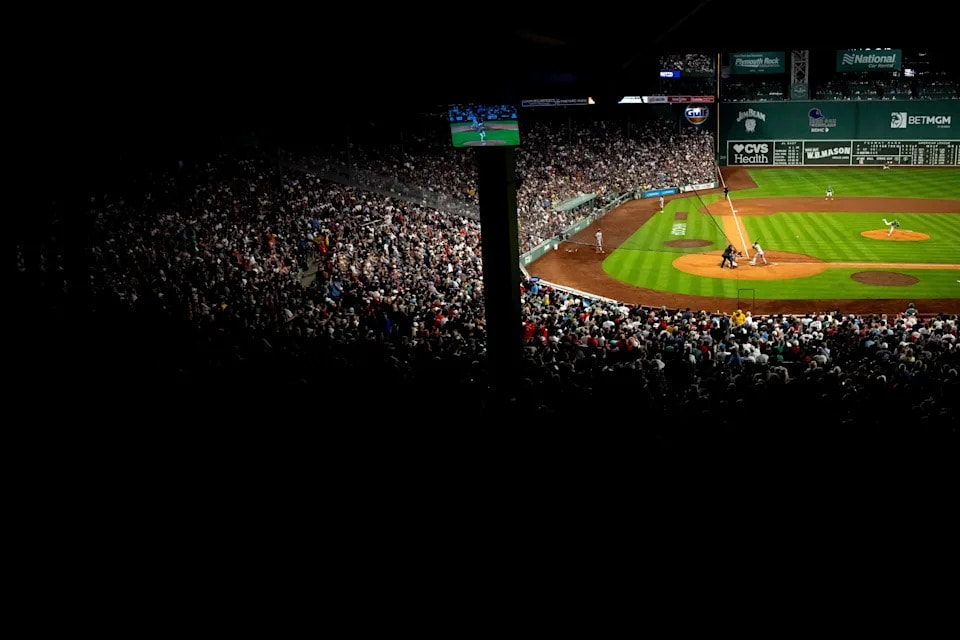
Bareknuckle Fighting Championship (BKFC) is set to stage an event Saturday on the field at Fenway Park, a setting more commonly associated with baseball history than combat sports. CEO David Feldman says the path to an iconic venue involved timing, logistics, and a high-stakes decision-making process once the calendar turned.
Bareknuckle Fighting Championship is set to hold an event on the field at Fenway Park, and BKFC CEO David Feldman framed the move as both a logistical challenge and a moment of sport cross-pollination. Fenway Park is among the most recognizable venues in American baseball, so the idea of mounting a bareknuckle fight card in the same bowl carries obvious symbolism. Feldman’s core point, as described in the coverage, is that the decision did not come from a simple pitch deck or a single meeting. It came from a process that had to fit the timing of a major building, the constraints of an operational stadium, and the unpredictability that always comes with live events.
The story emphasizes that the final stretch to Fenway was unusually sensitive to conditions outside of the sport itself. Feldman did not rely on a weather screen during the build-up, according to the account, and his team reportedly advised him not to check until closer to the event. When the time arrived, he described being pleased with what he saw, underscoring how quickly external factors can change what is possible once crews, fighters, venue staff, and broadcast plans are all aligned.
BKFC, which has focused on bareknuckle competition as its defining product, has increasingly sought major-event settings rather than limiting itself to smaller arenas. Hosting at Fenway indicates an ambition to reach a mainstream sports audience by borrowing credibility from the cultural weight of a landmark stadium. For BKFC, a venue like Fenway also provides a distinct marketing hook, because the venue is already embedded in American sports memory. Instead of asking fans to imagine what a fight event could look like, BKFC is showing it in a place that already feels like “big time.”
At the same time, the choice carries its own questions. Turning an active baseball stadium into a bareknuckle fight setting requires careful planning around the ring, sightlines, security, and the way the event fits into the stadium’s calendar. The coverage does not spell out those operational specifics in full, but it does position Feldman’s explanation as an acknowledgement that getting the “how” right mattered as much as the “why.” With the event approaching, the key unknown for fans is how the venue’s layout and traditions will translate to a sport where pacing, distance, and crowd proximity are central to the viewing experience.
There is also a broader UFC-adjacent context here, even though this event is not a UFC card. For combat sports promotions, success often depends on whether they can escape the “niche only” label and grow the audience for heavier, more raw forms of competition. BKFC’s Fenway stop is part of that growth strategy, leaning on a mainstream venue to make an unfamiliar format feel less alien.
What to watch next is whether the event sustains the novelty and converts it into momentum. If the night at Fenway draws strong attendance or creates a compelling television presentation, it can make future “big stadium” bids feel more practical. If it proves too complicated, it will still have delivered something valuable, a clear proof of concept that bareknuckle fighting can be staged in an American sports cathedral.
For fans, the most immediate storyline is the matchup between sport and venue: the question is not only who wins in the ring, but how a promotion trained for speed and intensity translates that energy into an environment built for baseball traditions. Feldman’s remarks highlight that the planning did not happen in isolation, and the weather-sensitive, last-mile approach described in the coverage suggests the sport will be competing with more than just an opponent once the doors open at Fenway.
Why It Matters
- Staging BKFC at Fenway Park indicates a push to bring bareknuckle fighting into more mainstream, high-recognition sports settings.
- A landmark venue can expand brand awareness beyond typical combat-sports audiences.
- The operational challenge of converting Fenway’s field into a fight environment will likely influence how promotions plan future large-scale shows.
- If the event presentation lands with fans, it could reshape expectations for where BKFC and similar promotions attempt major venue upgrades.
Sources
Key Facts
- Bareknuckle Fighting Championship is scheduled to hold an event Saturday on the field at Fenway Park.
- BKFC CEO David Feldman is credited with explaining how the promotion ended up at the venue.
- The account describes Feldman not checking his weather app until the week of the event, after team advice.
- Fenway Park’s baseball identity is central to the story’s framing, given the unusual fit with bareknuckle fighting.
- The coverage portrays the Fenway decision as a product of timing and planning rather than a simple or immediate arrangement.